Paul Coenen
furniture and objects from sheet metal
Paul Coenen is a designer based in Eindhoven, Netherlands. He makes furniture and objects from sheet metal. A single sheet of A4 paper, cut and folded without a plan, becomes the starting point for hundreds of models. From there, forms emerge that could not have been drawn or predicted.
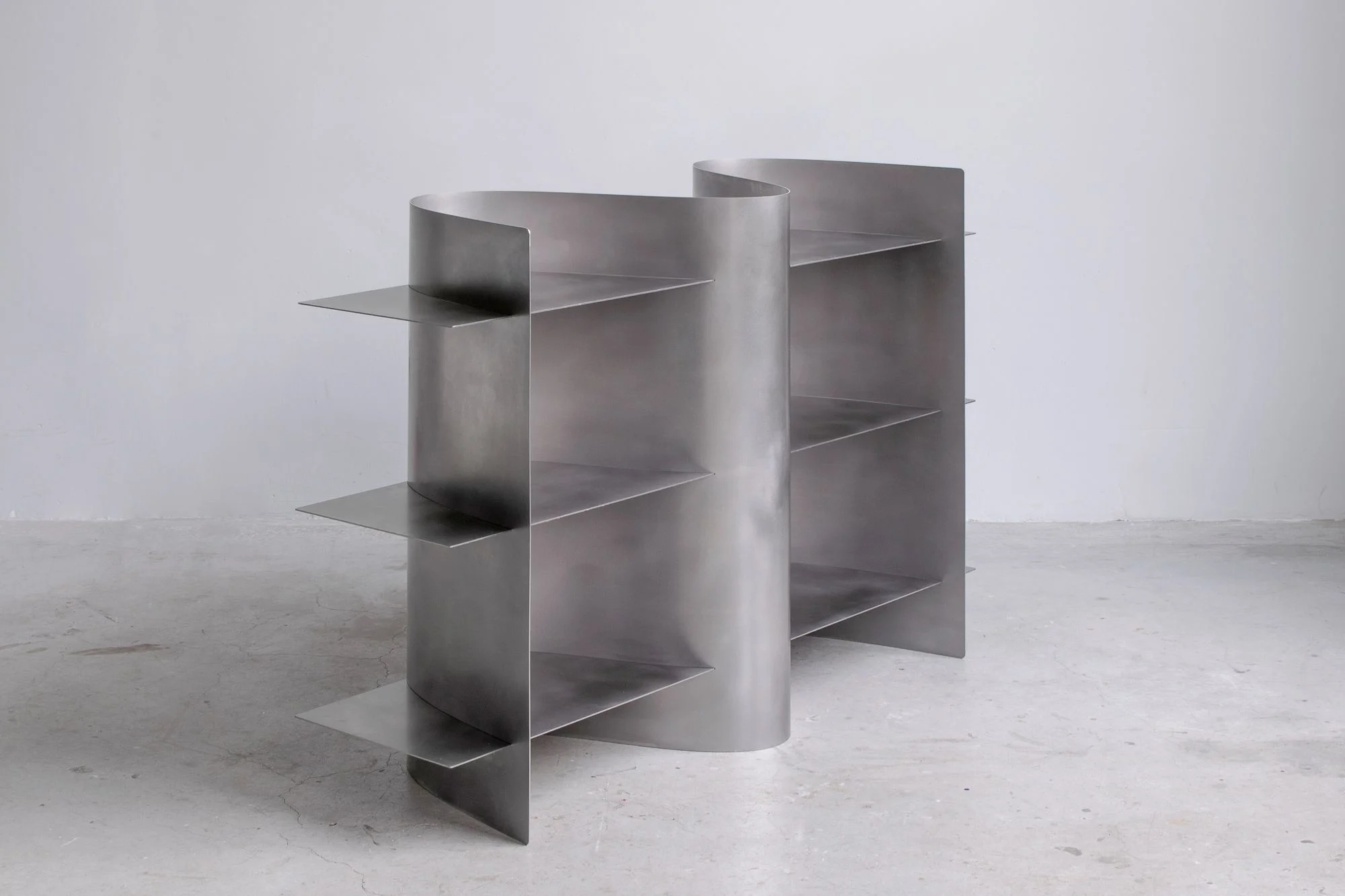
Repose: How would you describe what you do?
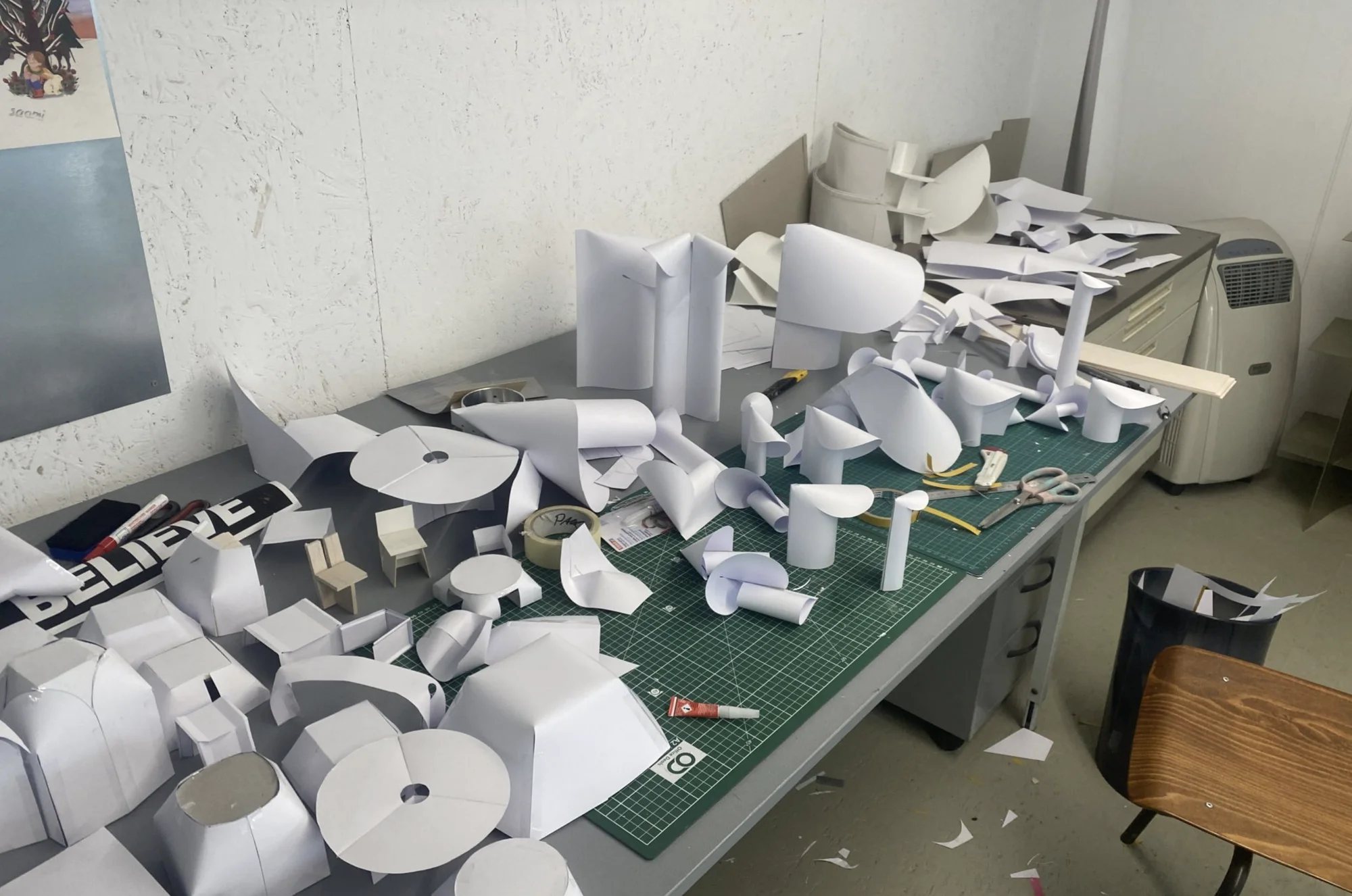
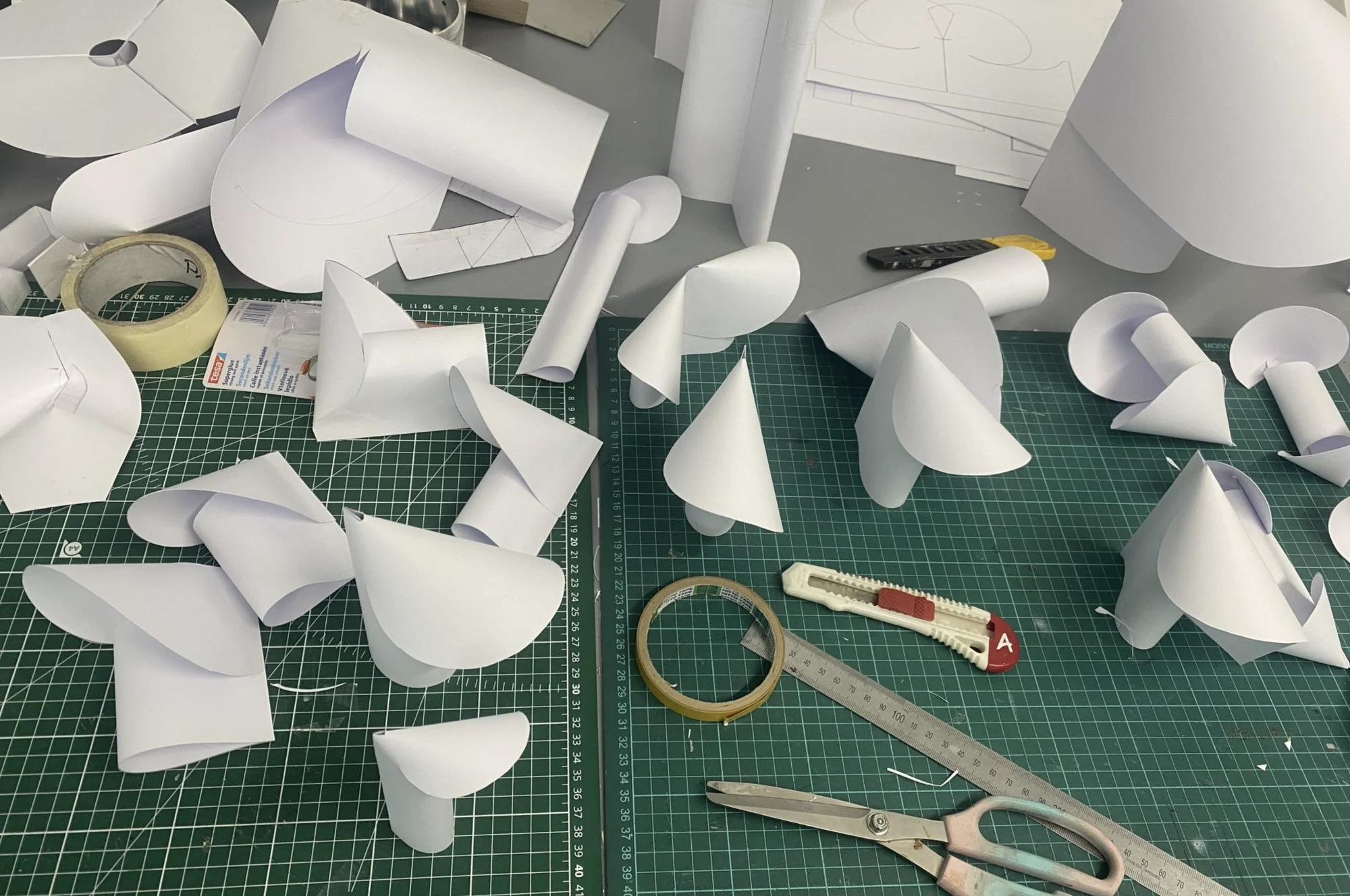
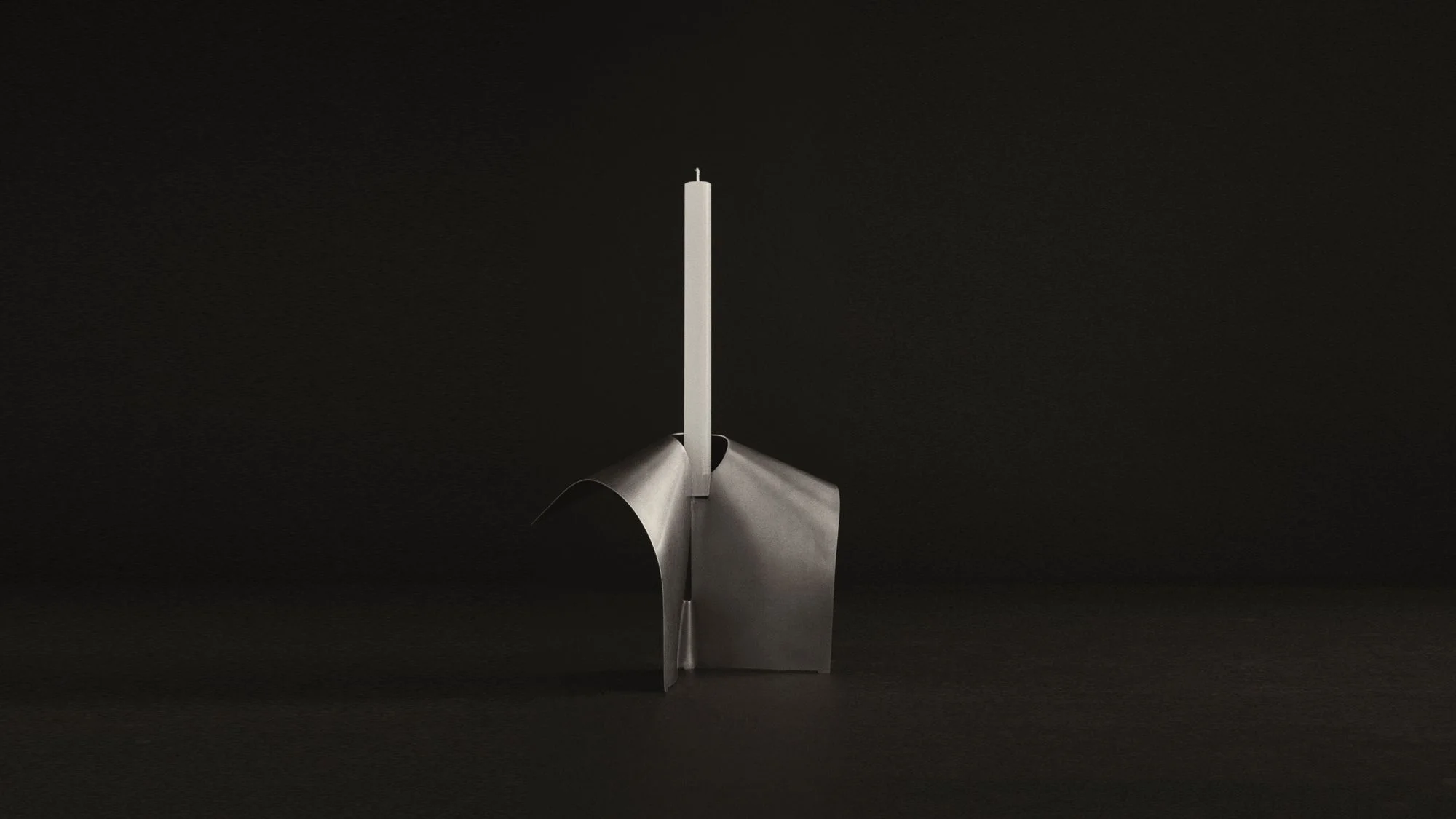
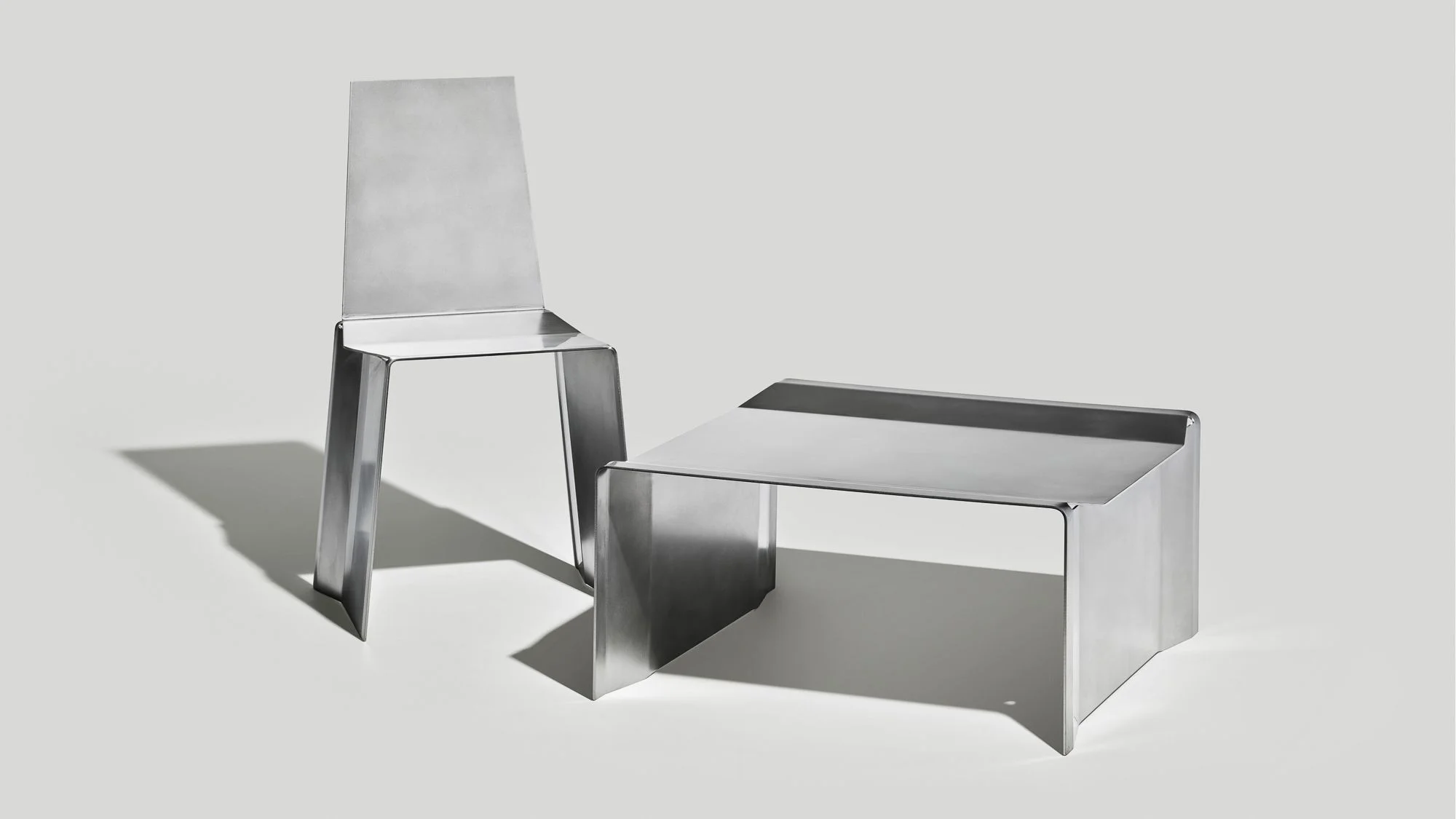
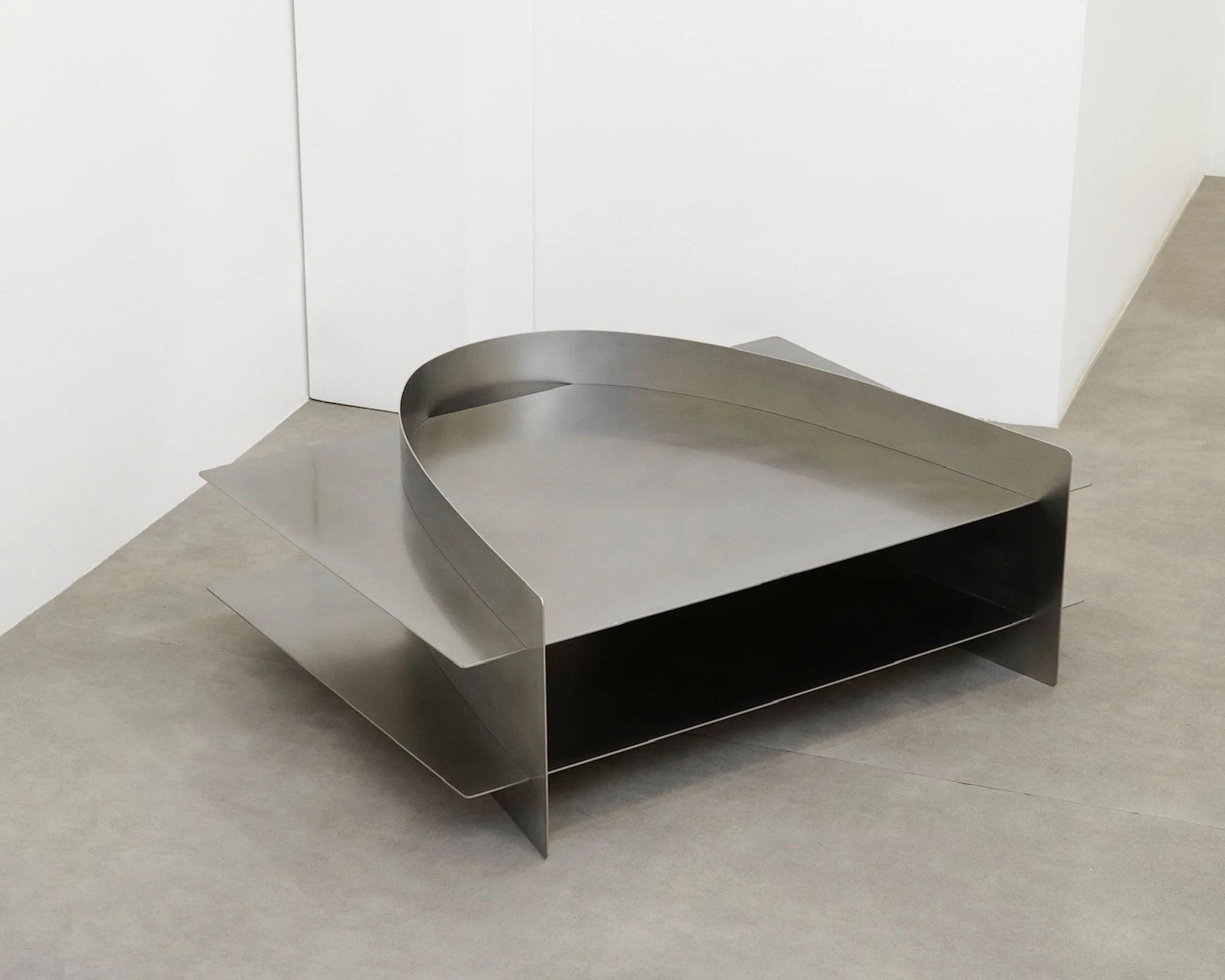
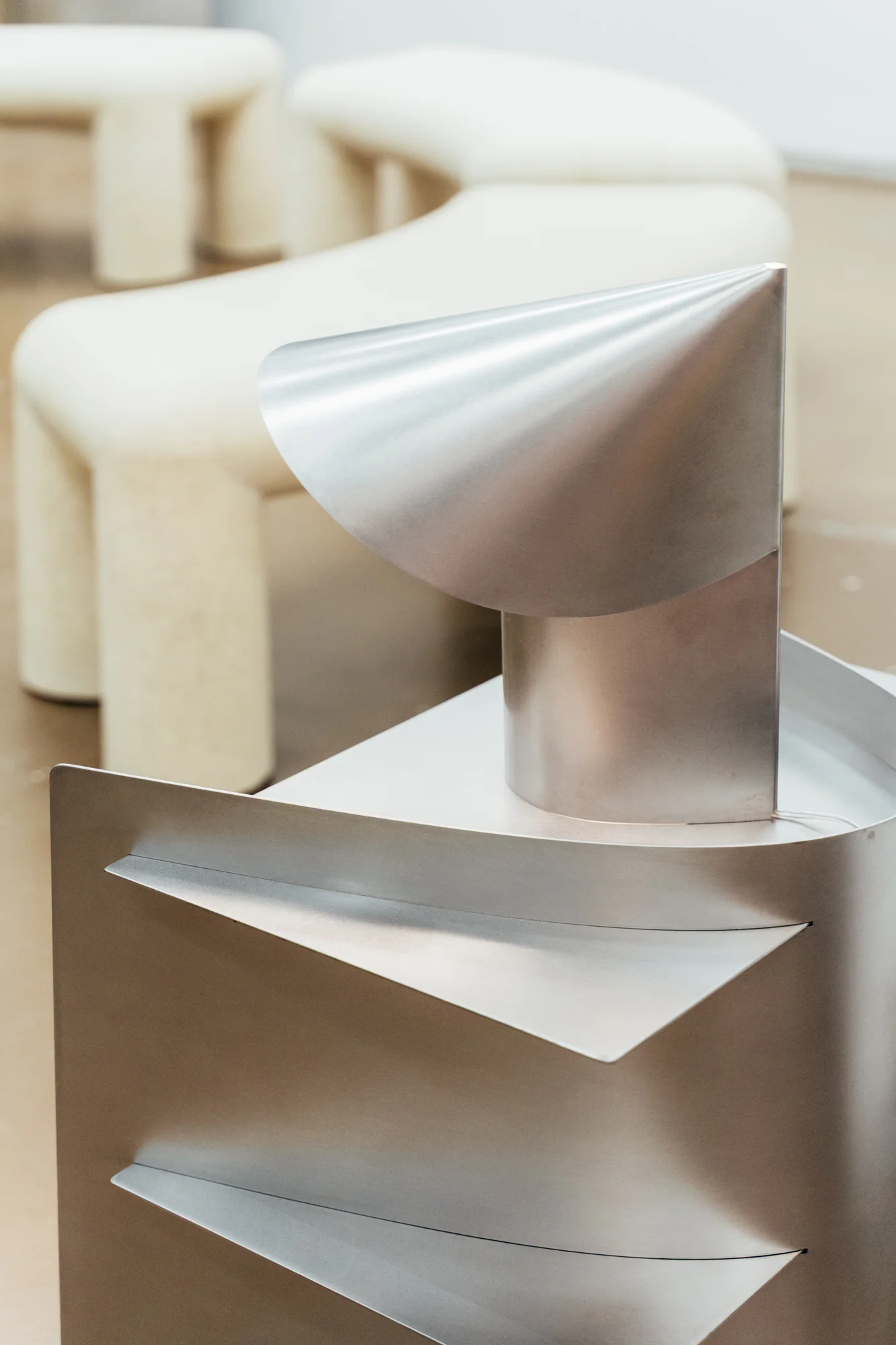
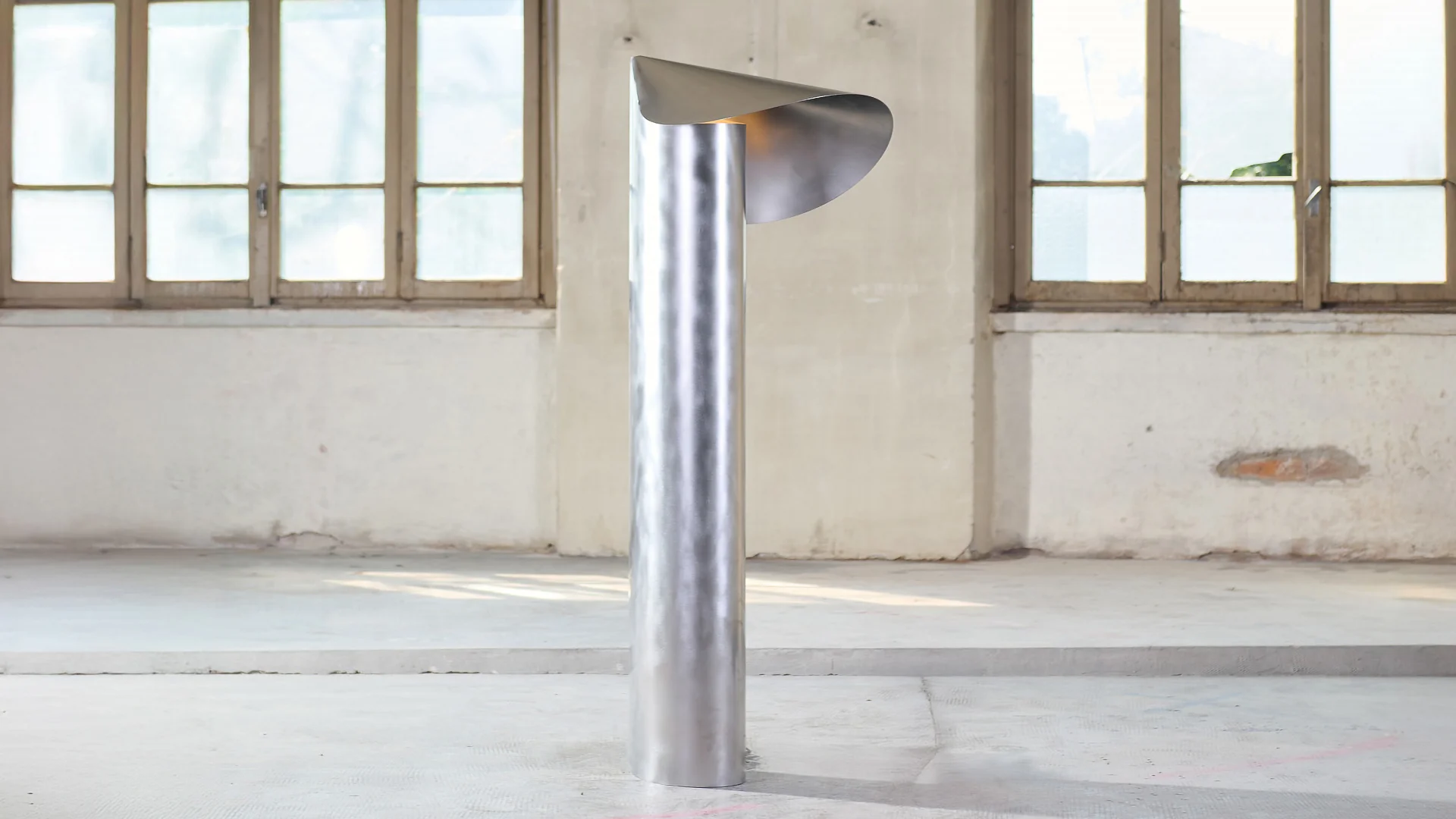
I'm a designer making furniture and objects mainly out of sheet metal. My practice evolves through a dialogue between material, process and construction. New ideas are developed through paper scale models: by cutting, folding, bending and glueing, I discover forms and ideas that are then translated into sheet metal objects, allowing the material and its methods of transformation to define every detail.
I rarely draw. Instead, I start with a single sheet of A4 paper, cutting, folding, bending and gluing without knowing where it will lead. I make hundreds of these small models, continually reflecting on what emerges. Often, I don't even know what kind of furniture an experiment might become; its function gradually takes shape through the process.
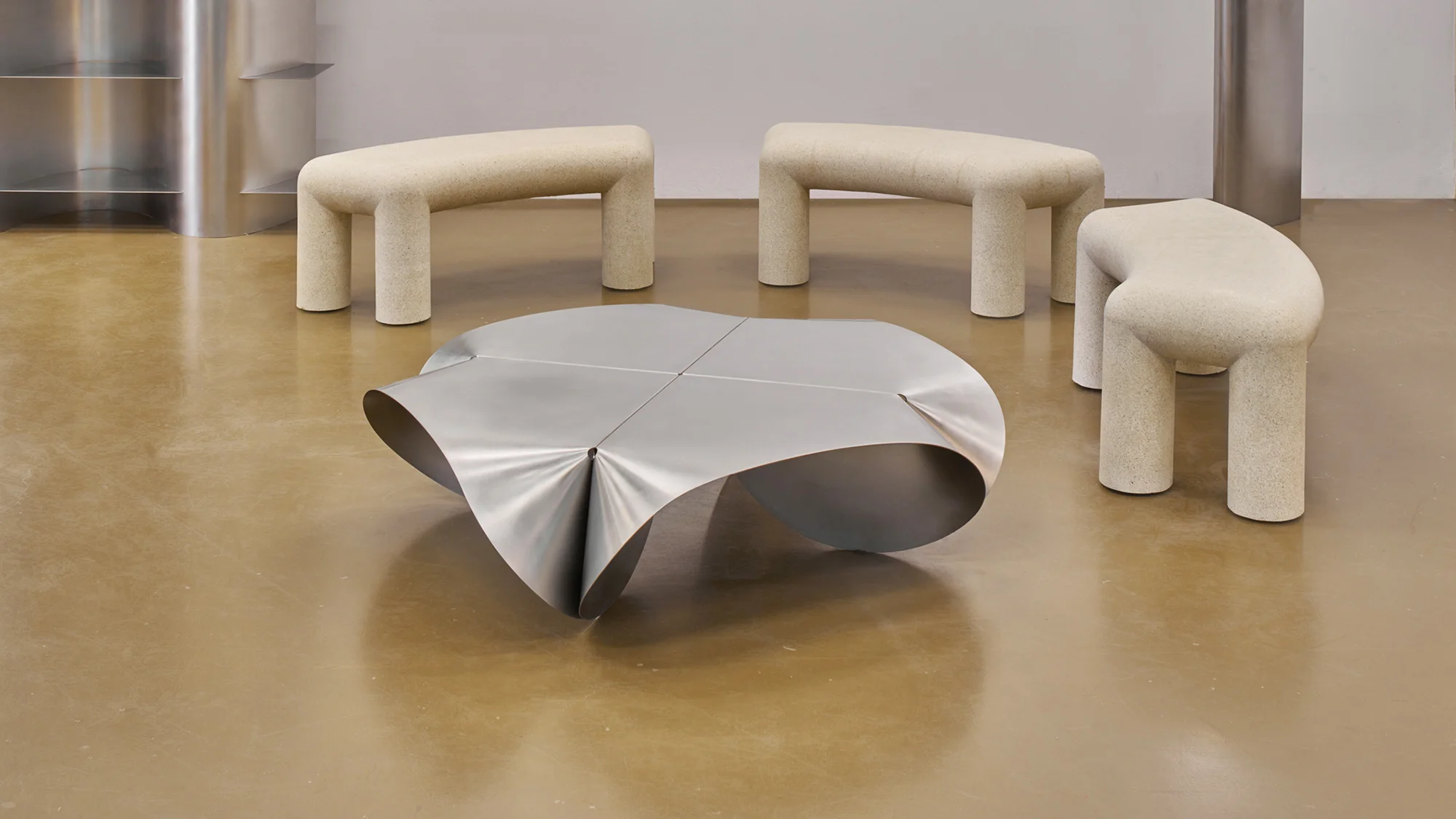
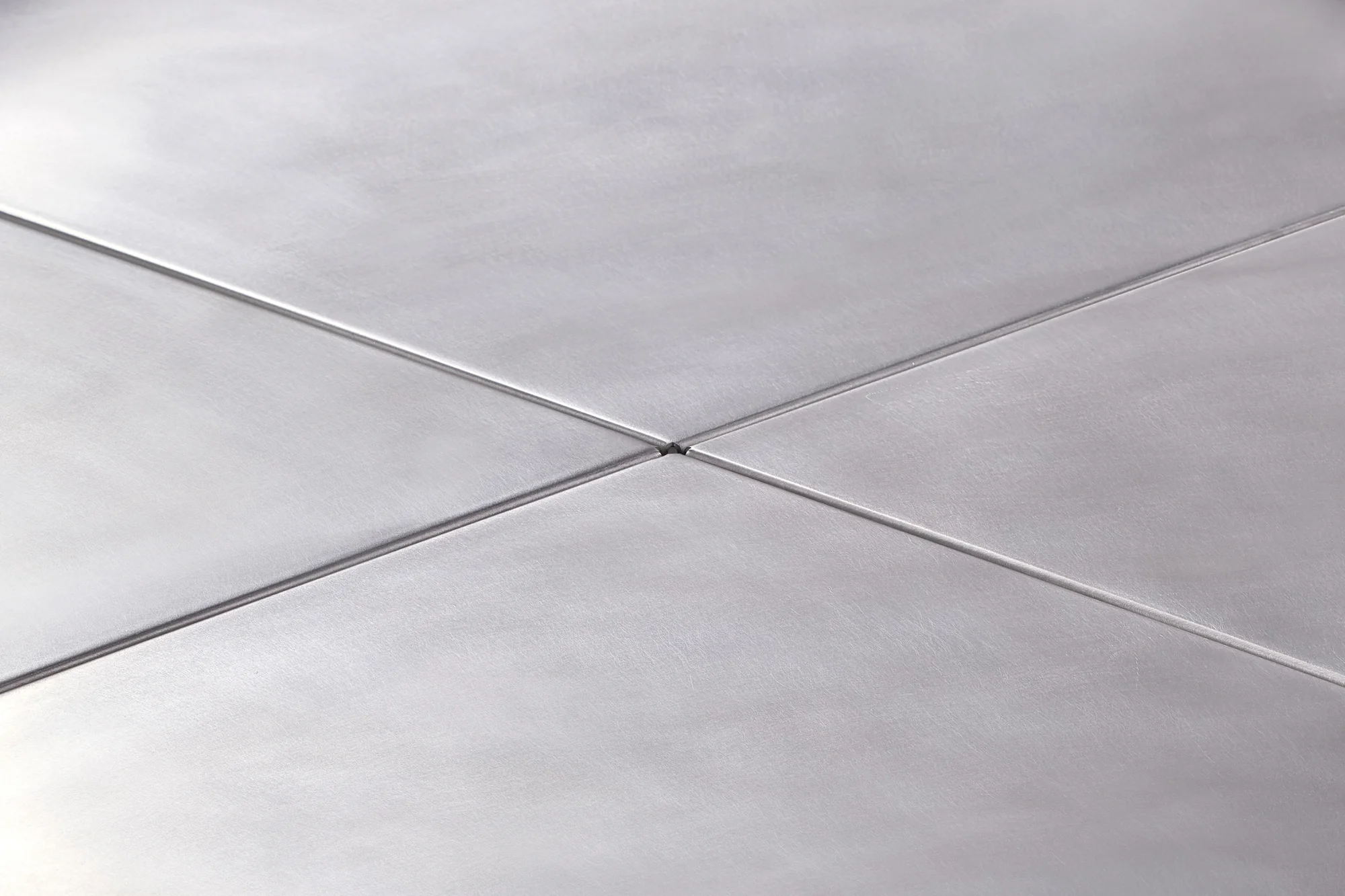
I then translate these paper models into sheet metal, allowing the material and the ways it can be worked to shape the final object. What interests me most are the unexpected details that emerge along the way, things I couldn't have imagined or drawn beforehand, but only discover through making.
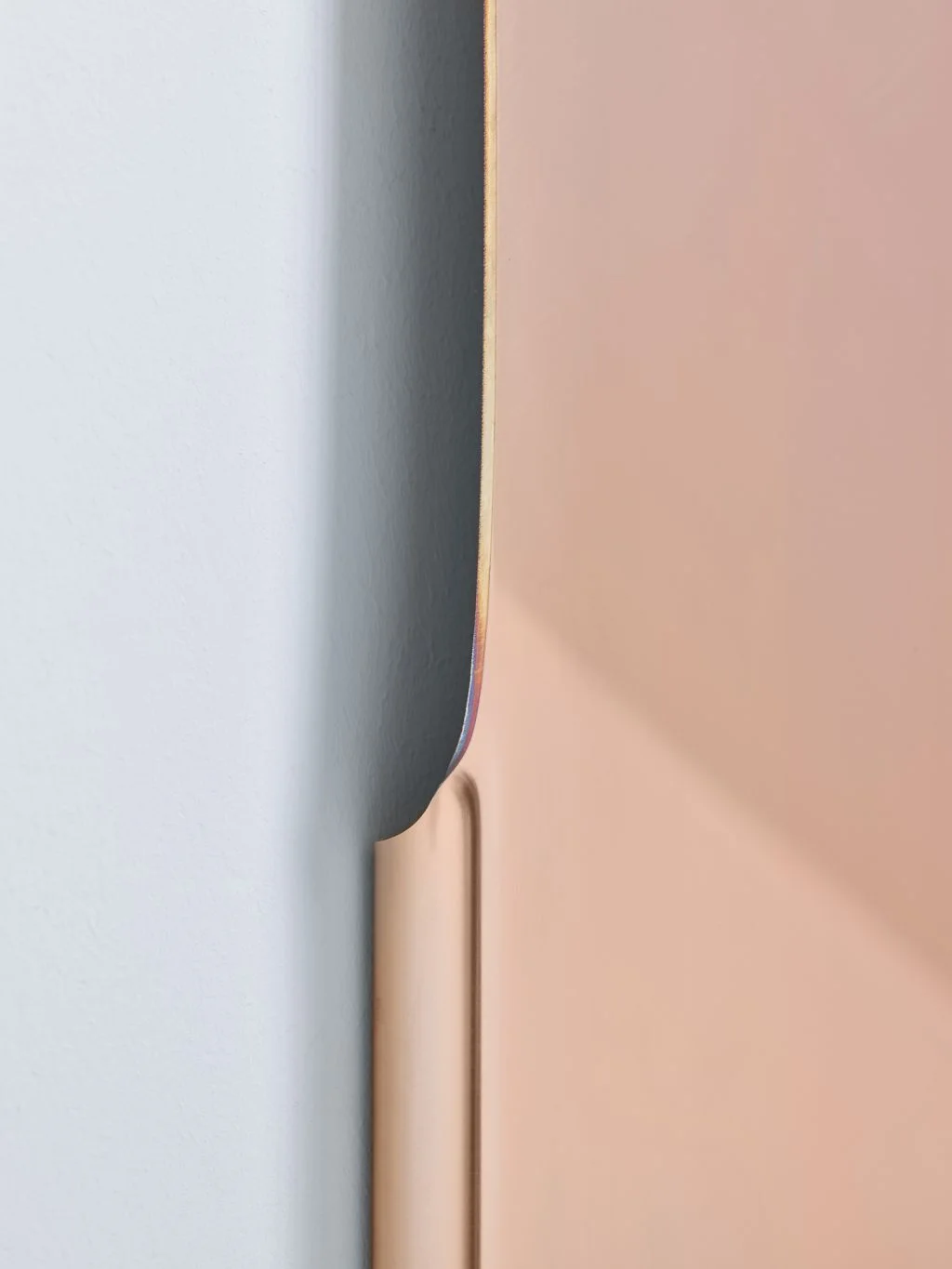
Photography: Jeroen van der Wielen
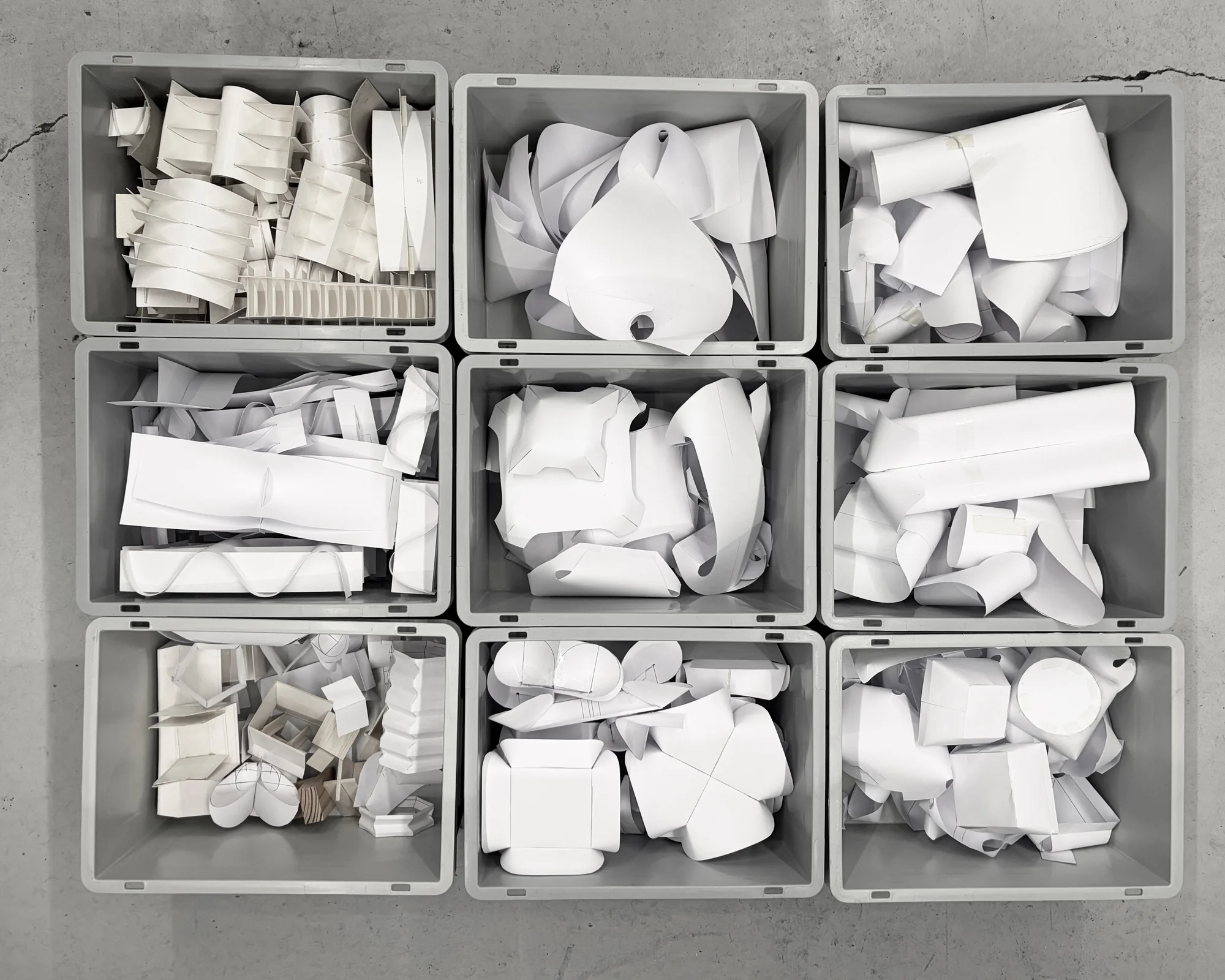
Photography: Paul Coenen
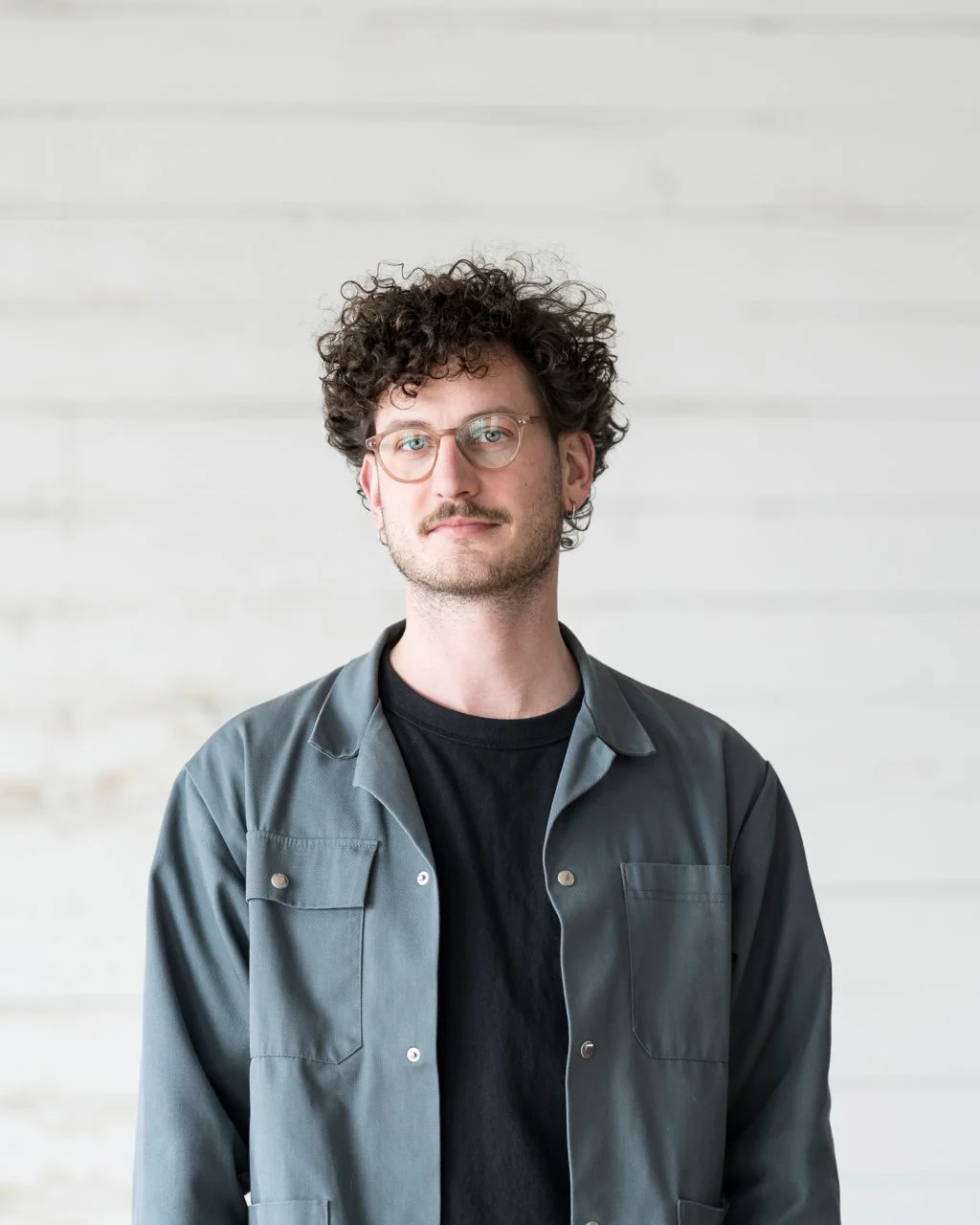
Photography: Paul Coenen
Photography: Paul Coenen
Repose: How did you first start working with sheet metal, and how has your practice developed since then?
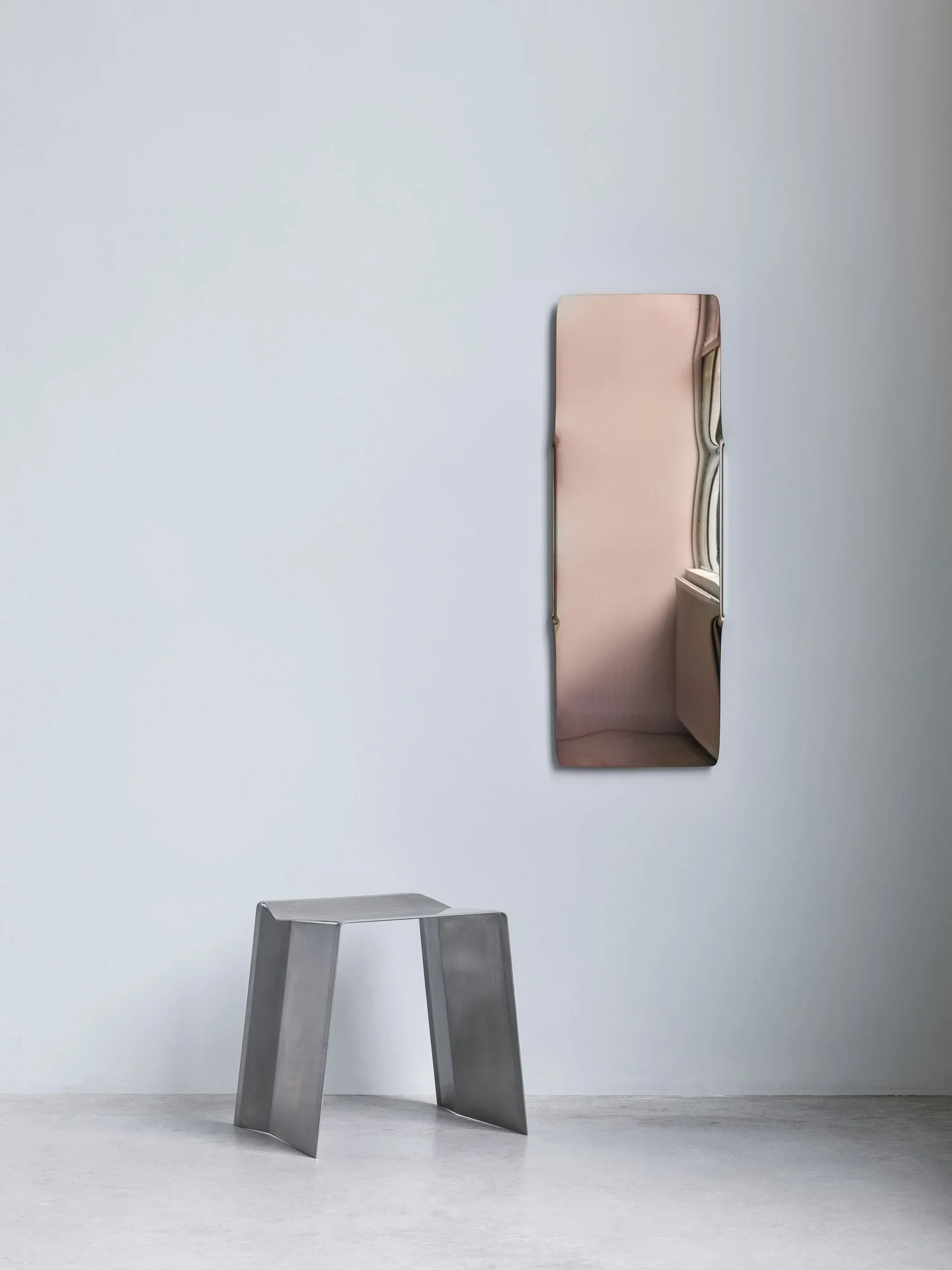
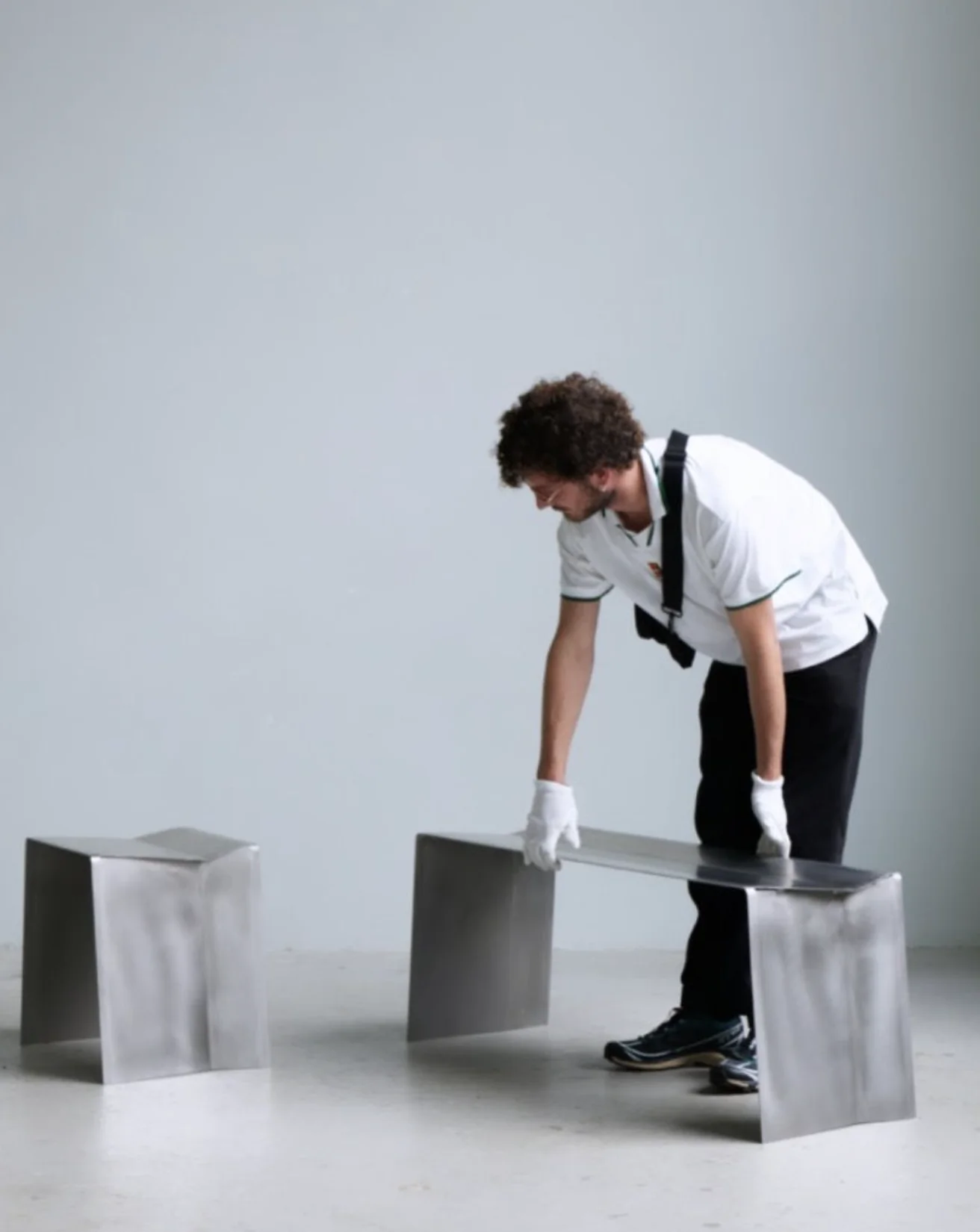
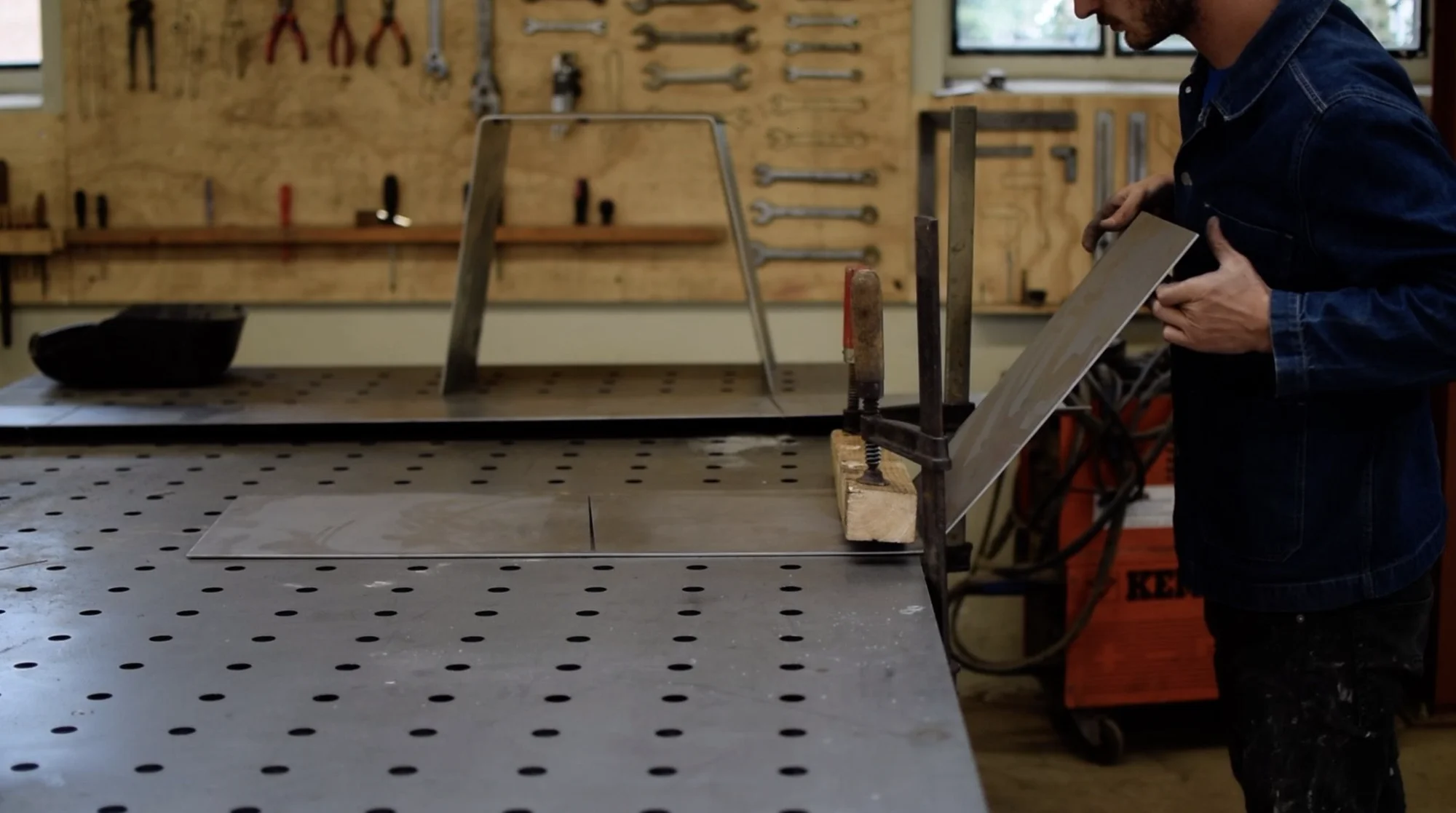
My first collection was the Tension series, which I developed as part of my graduation project in 2019. It's an ongoing exploration of flexibility and tension in sheet metal. Each sheet is bent to create tension and then held in place by horizontal shelves, creating a solid connection between the different parts. The construction uses no screws, glue or welds. Instead, it relies entirely on the sheet's natural tendency to return to its original, flat shape.
After graduating, I continued adding new designs to the Tension collection while also starting to develop other collections. I never intended to work exclusively with sheet metal, but after spending so much time working with it, I found that my new ideas naturally took shape in the same material. Over time, I embraced that focus, and my whole workshop is now set up for working with sheet metal.
Photography: Jeroen van der Wielen
Photography: Pim Top
Photography: Paul Coenen
Photography: Stephanie van Oonk / Róhe
Repose: How do you see your practice evolving, and what new directions would you like to explore?
Over the past year, I've come to realise that my expertise lies not only in sheet metal, but perhaps even more in the process of making scale models and translating them into full-size objects: starting with a flat sheet and transforming it into a three-dimensional shape. It's such a simple and logical realisation that I find it funny I didn't recognise it a few years earlier.
This has led me to explore how I could apply the same design process to furniture made from other materials, such as wood veneers, washi paper and other flexible or sheet materials. These explorations could open up a whole new direction for my work, while still feeling connected to the way I think, make and design.
Photography: Jeroen van der Wielen
Photography: Jeroen van der Wielen
Photography: Paul Coenen
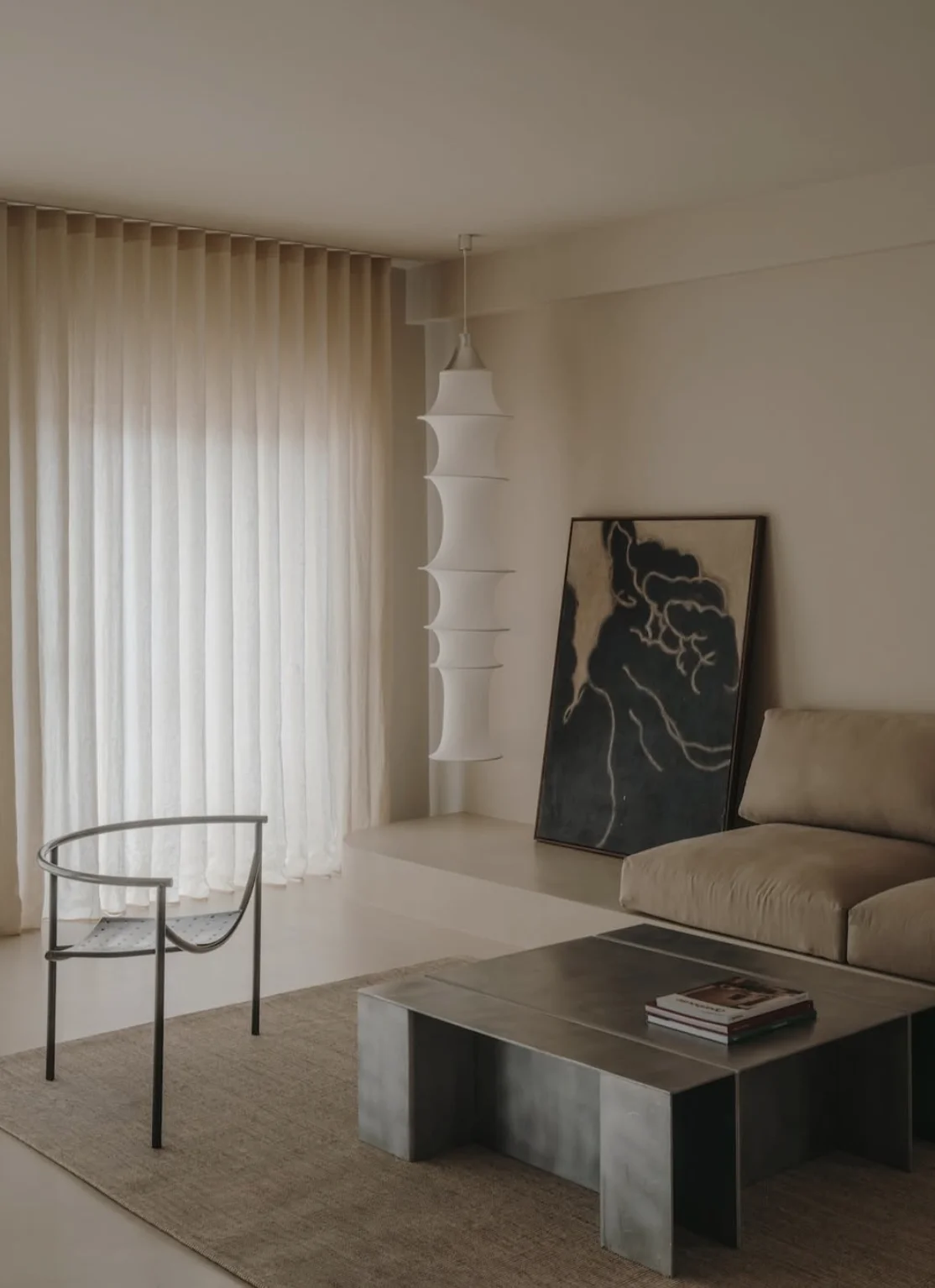
Photography: Salva Lopez
Repose: Do you face any challenges when communicating your work? Do you feel that the public understands the value behind it?
I feel that many people who follow my work understand what I do, although I could certainly communicate my process more clearly, and that's something I'm working on. I often share the development of my paper scale models on Instagram, but people who visit the studio are still surprised by the sheer number of models and experiments they find here.
Many of my customers understand the process behind the work and buy a piece because they appreciate the effort and exploration that went into making it. Others buy a piece simply because they like the finished object, without knowing anything about how it came about. Both are perfectly fine with me. I want the work to be good without the story, but even better with it.
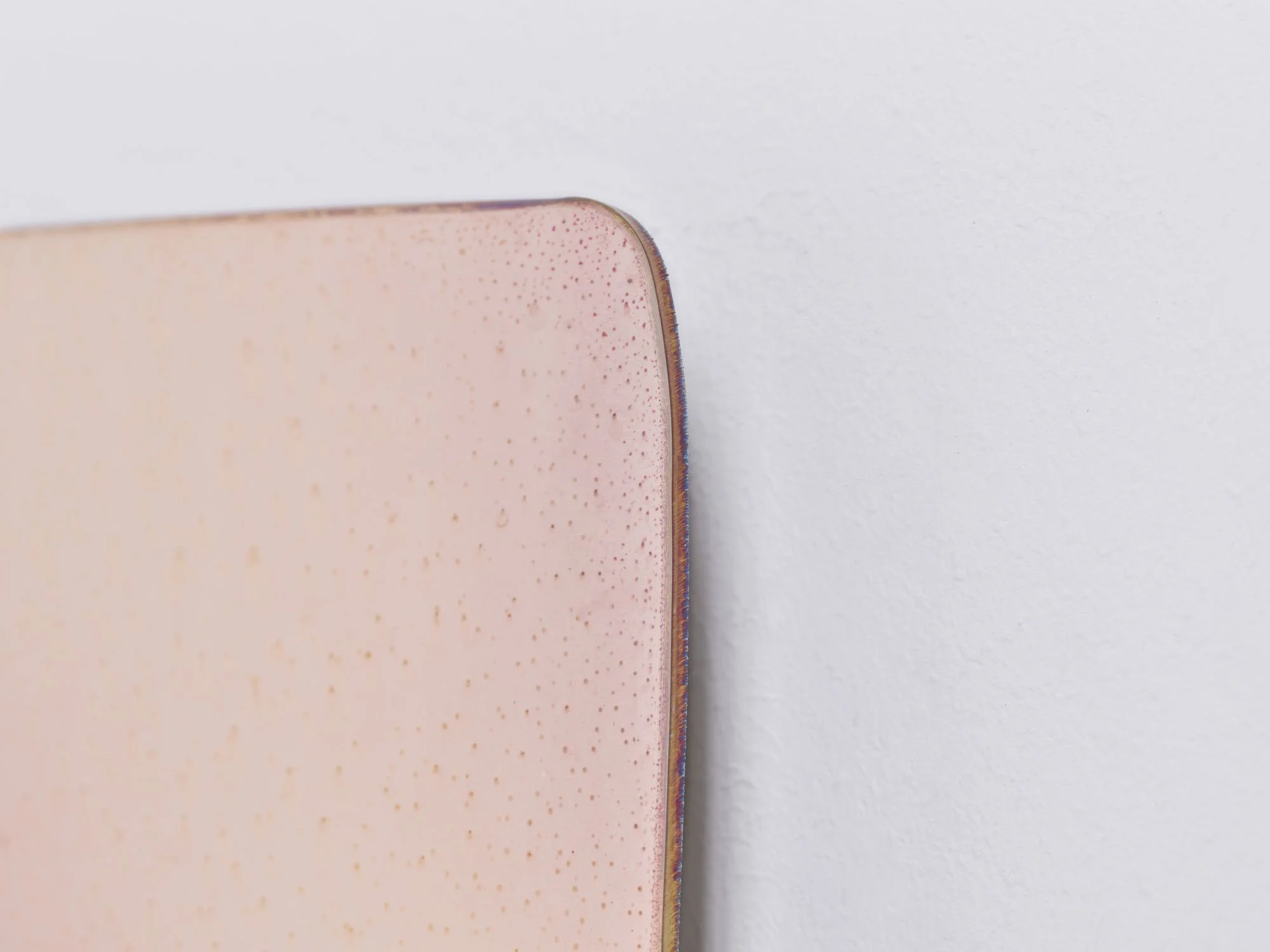
Photography: Jeroen van der Wielen
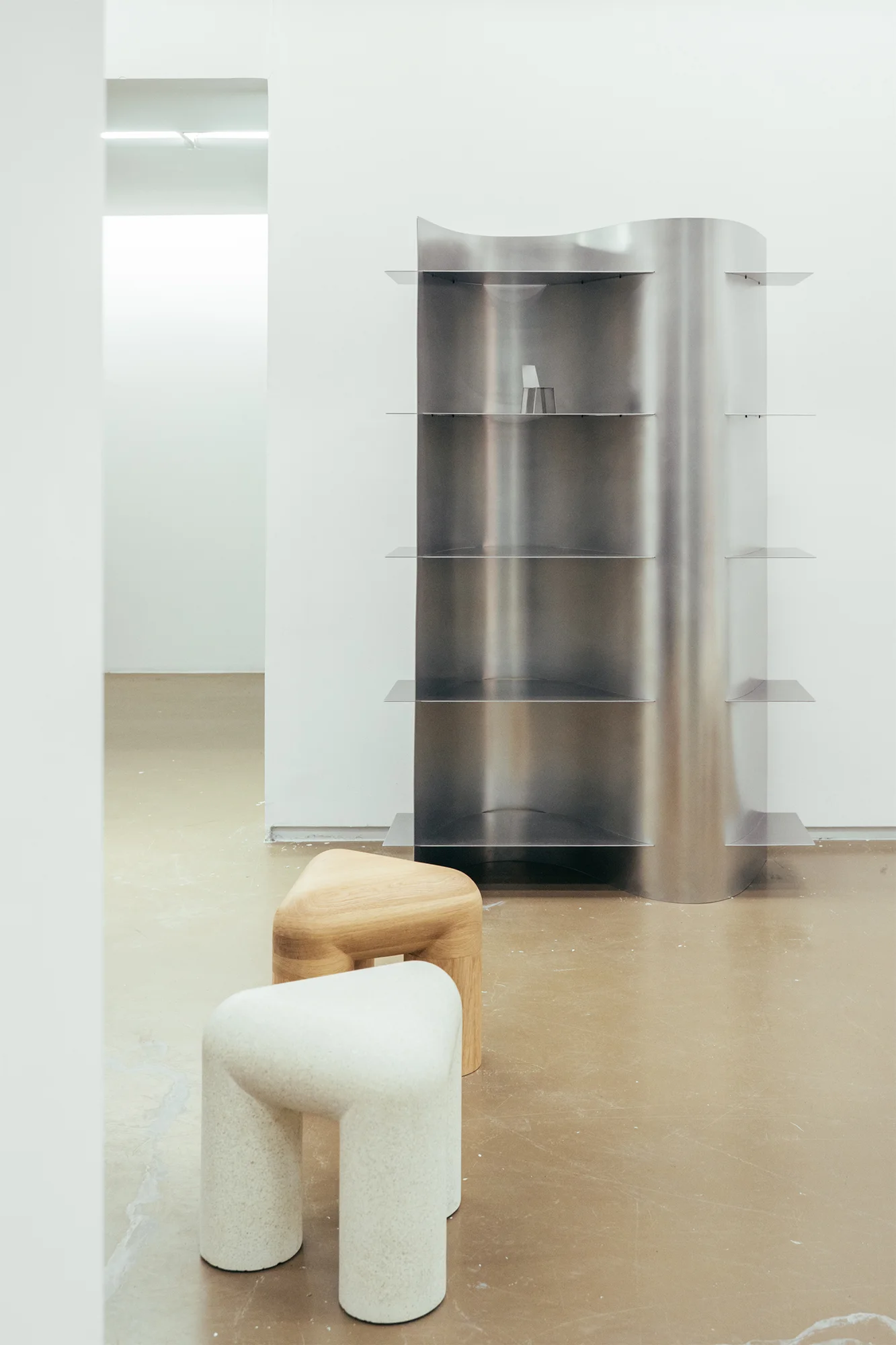
Photography: Audrien Maurice
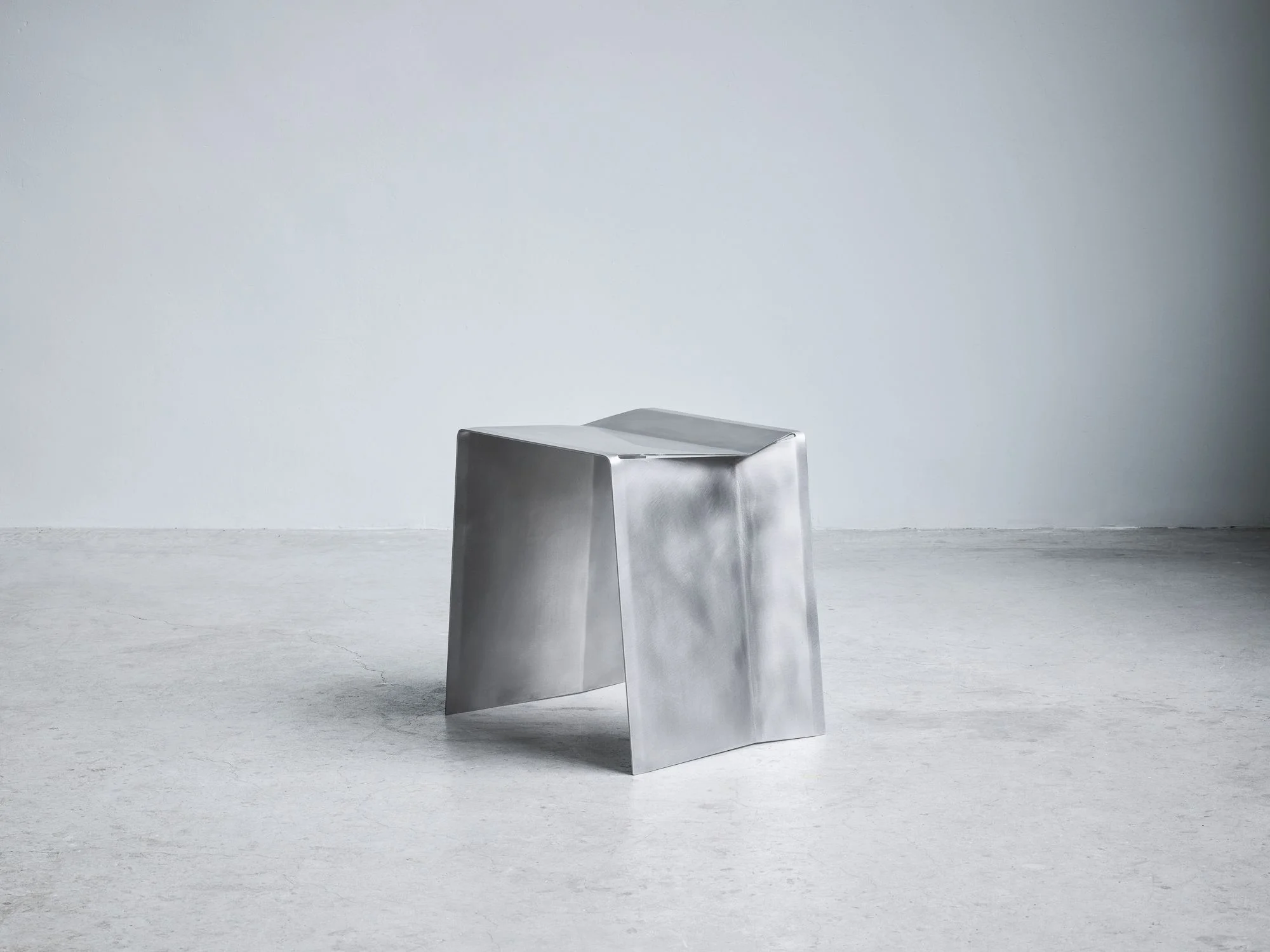
Photography: Jeroen van der Wielen
Photography: Paul Coenen
Personally, I feel that the more work I make, the clearer my understanding becomes of what I do as a studio. I hope that growing clarity is visible to my audience as well. Just two weeks ago, I presented a show with a selection of works made between 2019 and 2026. I had never seen these pieces together before, but when I put them alongside one another, everything made sense. They share the same vision and starting point, while showing how the work continues to move and evolve into different forms.
I also feel that the work is becoming more and more my own. Of course, it has always been mine, but it feels increasingly close to my heart and more closely connected to who I am. I'm becoming more confident in what I do, and I can't imagine a life in which I'm not creating and making.
Photography: Audrien Maurice
Photography: Jeroen van der Wielen
Photography: Maximilian Beck
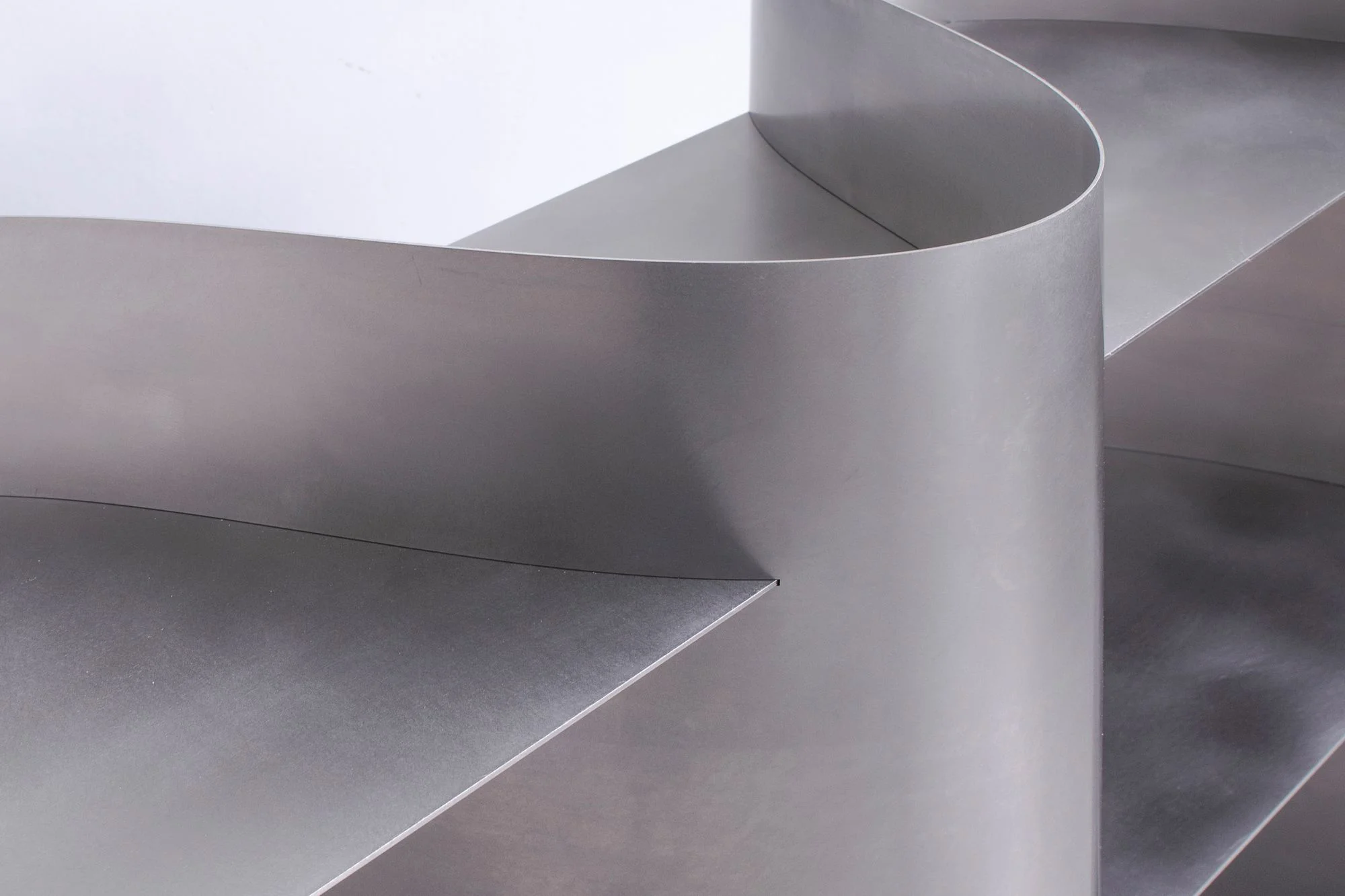
Photography: Paul Coenen
Photography: Paul Coenen, Jeroen van der Wielen, Pim Top, Stephanie van Oonk / Róhe, Audrien Maurice, Salva Lopez, Maximilian Beck.
Know more about Paul Coenen
Repose Archive is a creative direction journal documenting processes and projects across art, design, architecture, and hospitality.