Design
Isamu Hazama
Making as a way of learning
Isamu Hazama is a Japanese artist based in Wakayama. He creates objects, books, and works from materials found in the satoyama areas around him, responding to each one as it appears through the seasons. His practice is inseparable from the place he lives: the forests, the neighbors, the knowledge that disappears with each generation. In our conversation, he shared how making became a way of learning, and what it means to carry the memories of a place through your hands.
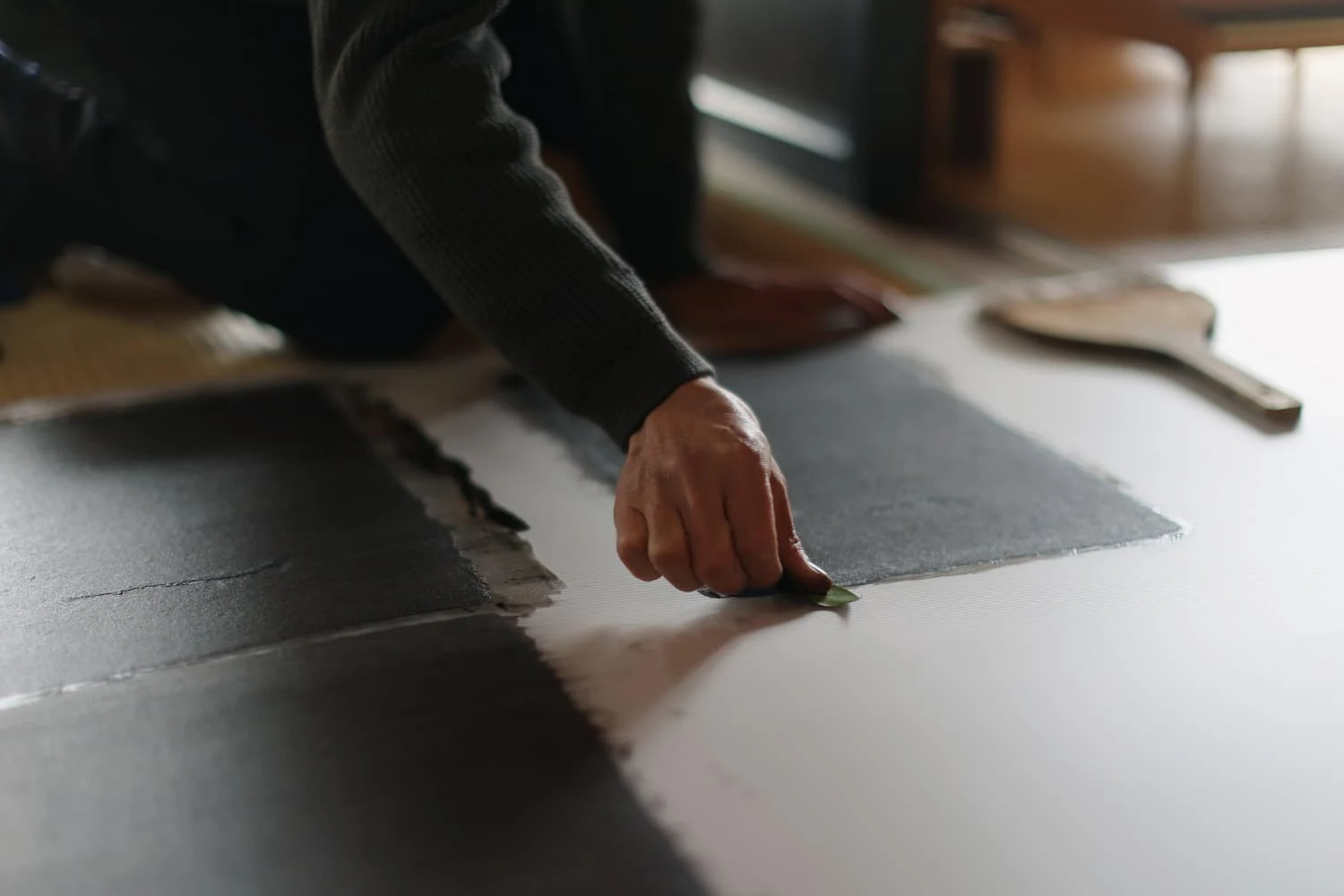
How would you describe what you do?
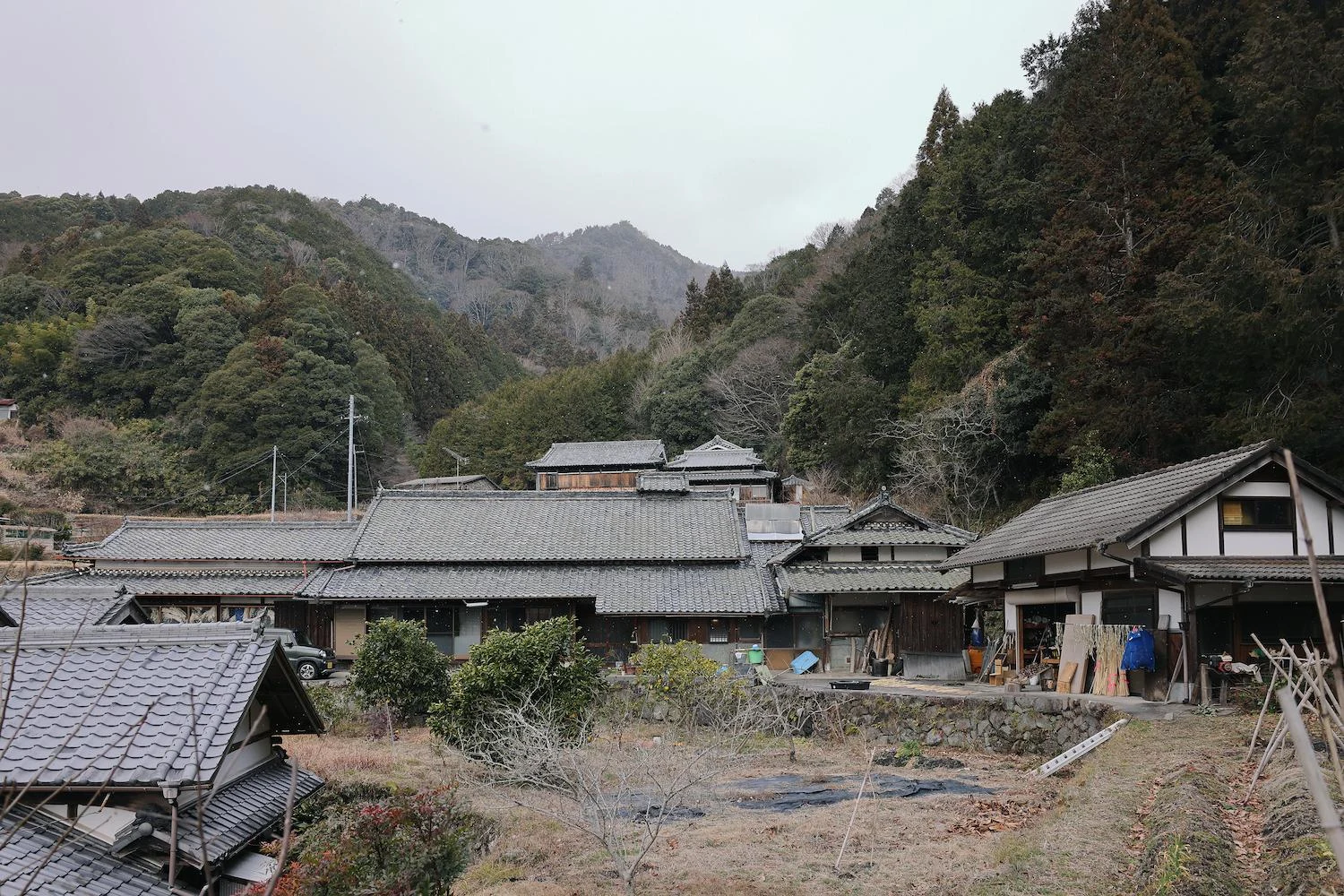
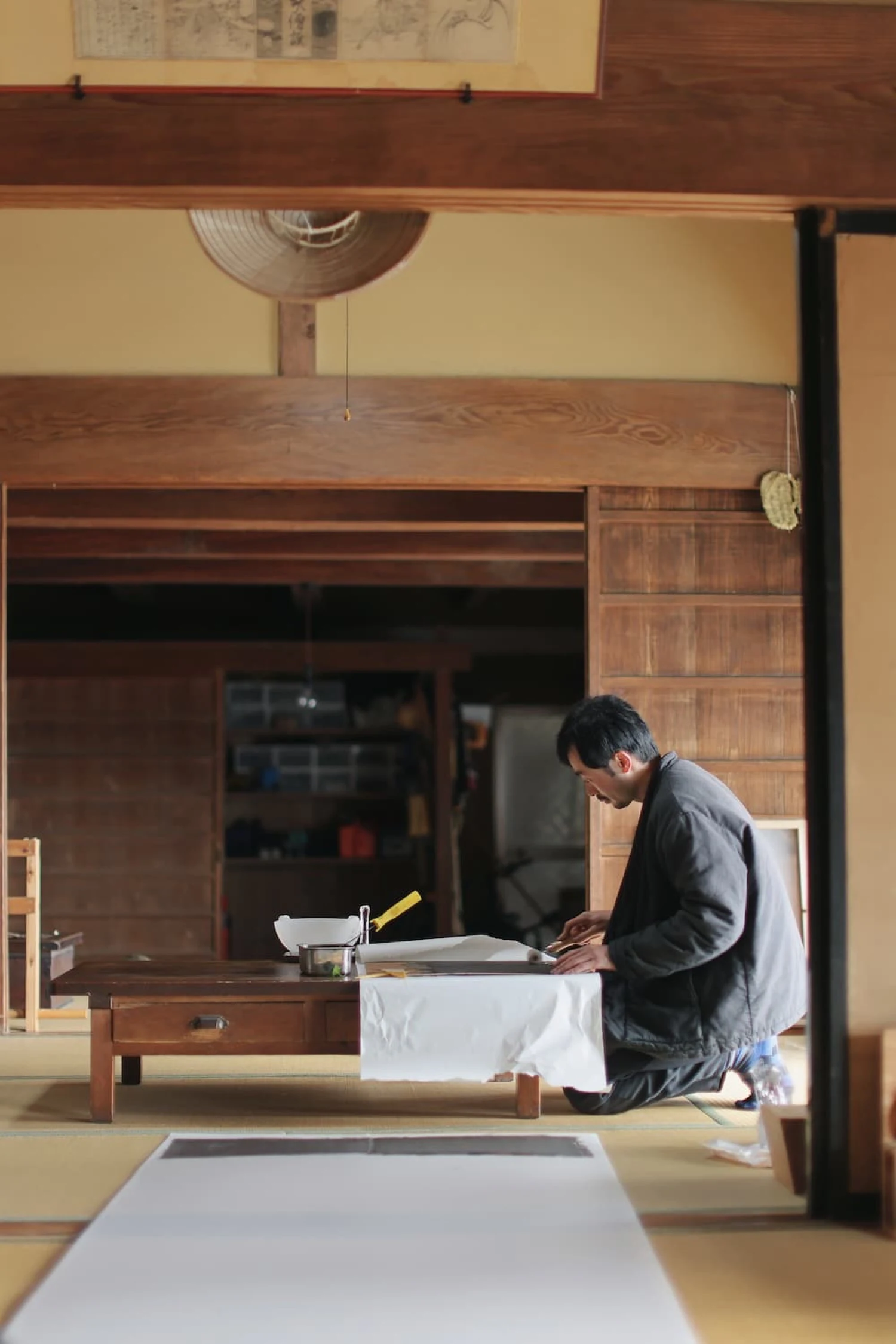
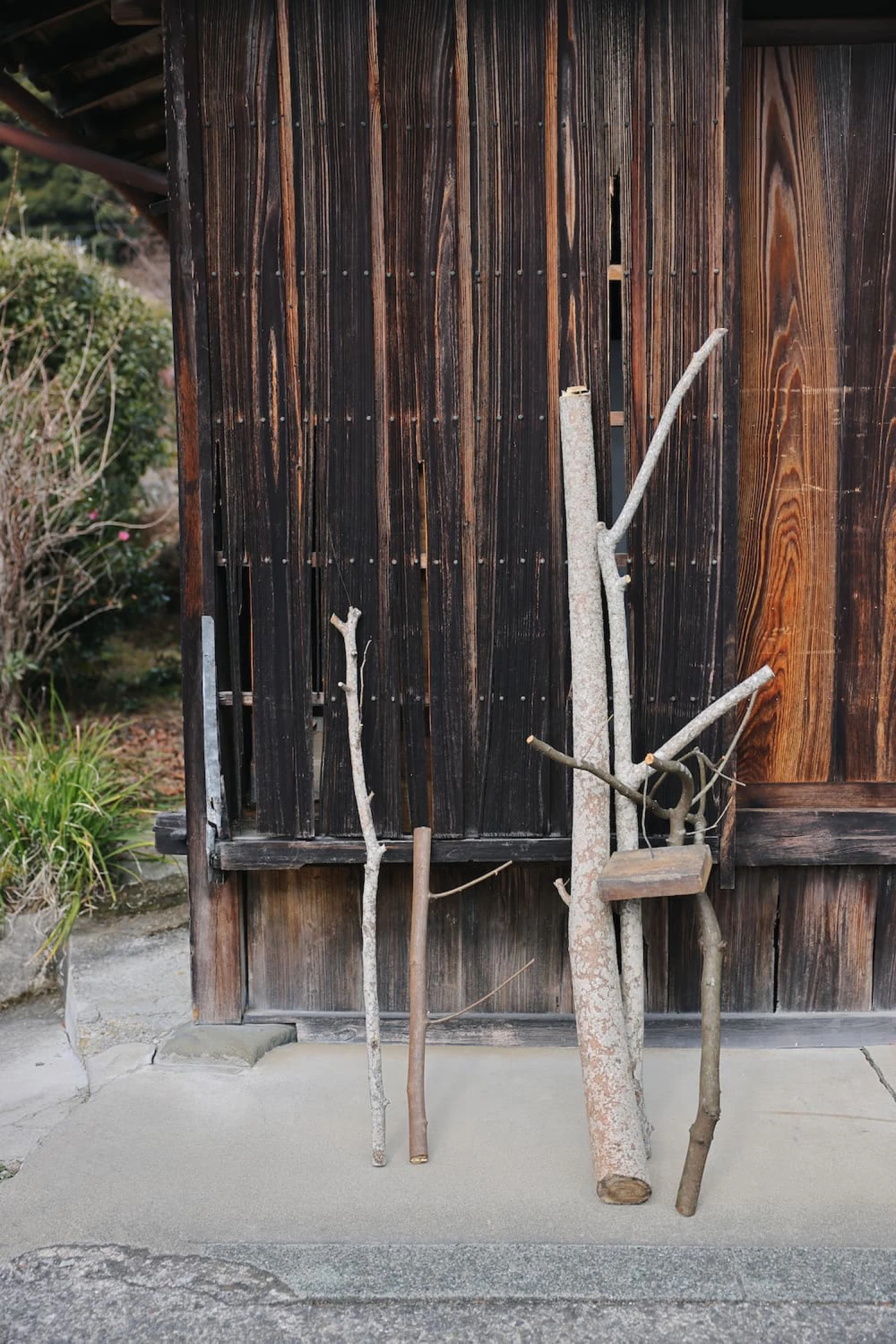
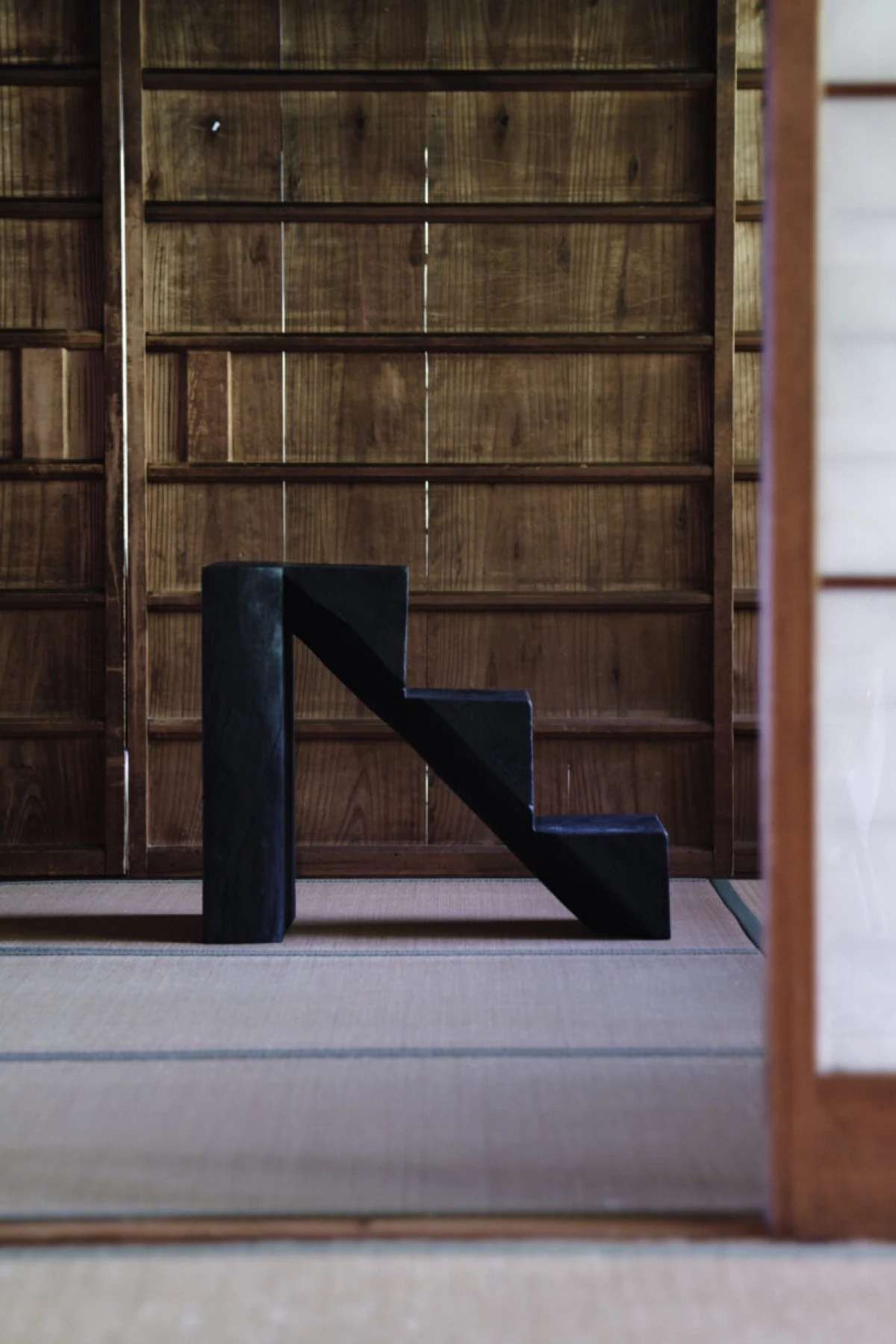
I live in a small mountain village in Japan, where I create objects, books, and other works from materials found close at hand. Rather than working within a fixed medium, I respond to materials as they appear through the seasons, much like a farmer responding to the land. For me, making is also a way of learning. Through the act of working with materials, I encounter the memories, knowledge, and wisdom they carry, and I translate these encounters back into my work.
What led you to start a personal project?
The project began quite naturally when I moved here. Having grown up in a city, everything I encountered in rural mountain life felt new to me: the materials, the landscape, the seasonal changes, and the way people related to their environment.
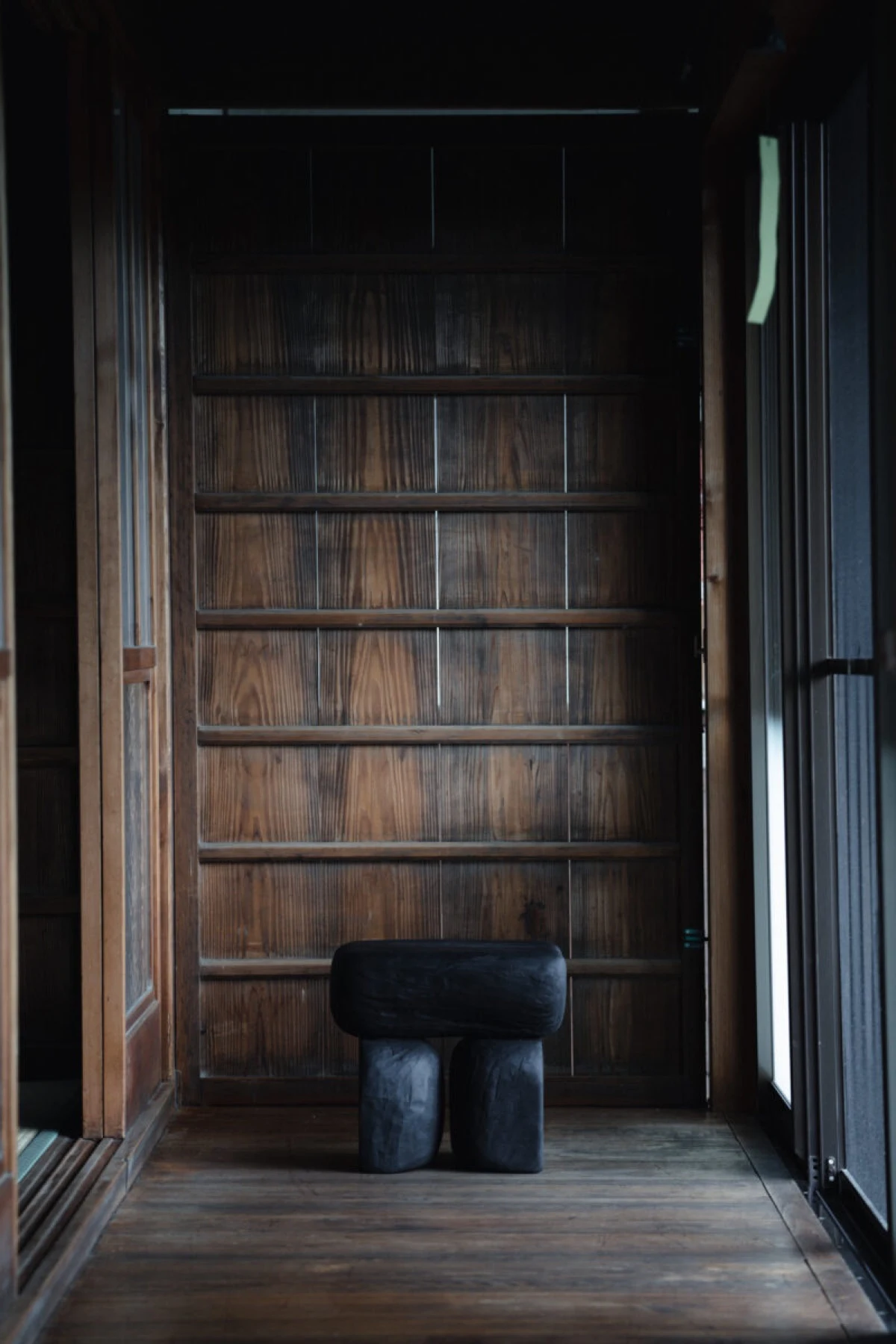
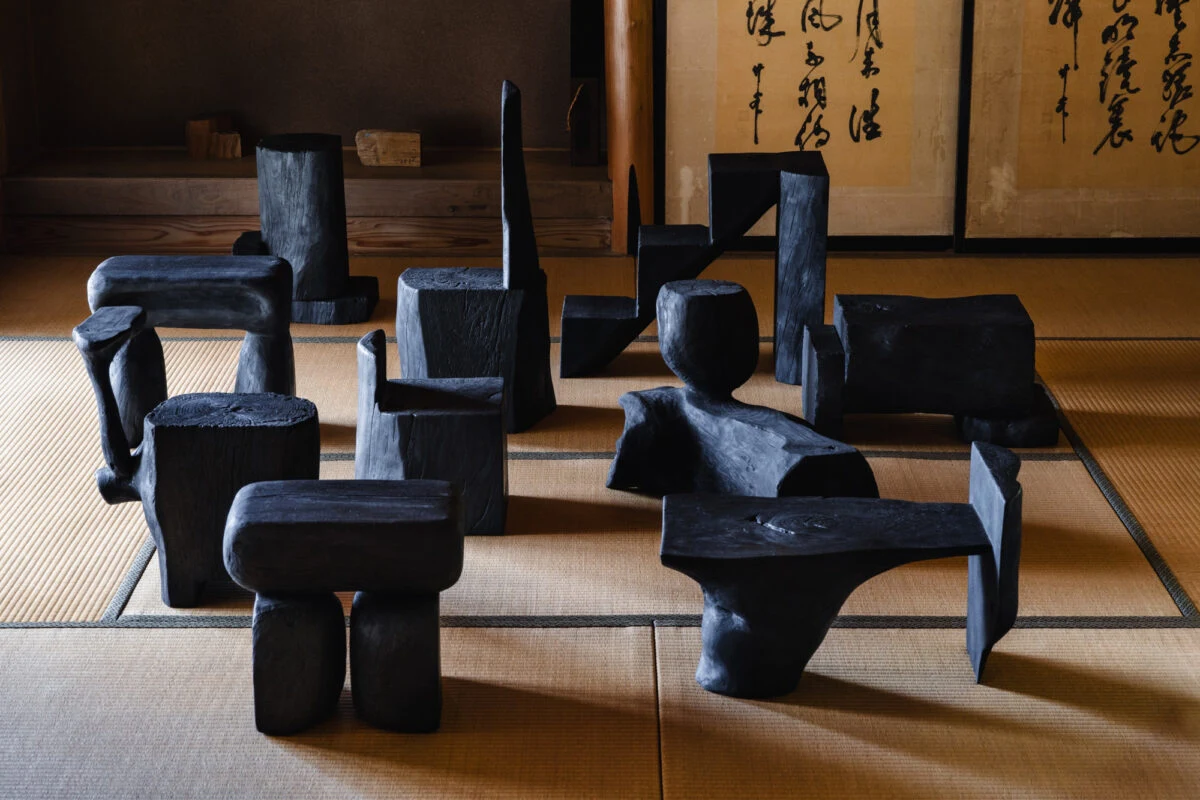
At first, I simply observed what was around me and listened to local people. At one point, a neighbor gave me some sugi logs. Then I began splitting, cutting, touching, and observing the wood, almost like a child playing. Through this very direct contact with the material, I started to understand that making could also become a way of learning.
What interested me most was that the materials were not just physical resources. They carried memories, stories, and practical wisdom connected to local ways of life before modernization. Many of these stories are now disappearing because of aging and depopulation. So the project gradually became a way for me to learn from this knowledge, preserve it in some form, and reinterpret it through my work.
How did the idea for this project come about?
The idea came quite naturally from living in the mountains. In this environment, I often come across different materials in everyday life. Sometimes I find them while maintaining the forest, and sometimes they are given to me by neighbors. When I encounter a material, I usually begin with simple curiosity. I research the history behind it, how it has been used, and what kinds of memories or knowledge are connected to it. As I learn more, I often feel that these stories should be preserved in some form. In that sense, the project did not begin from a fixed concept. It began more as a response to the materials.
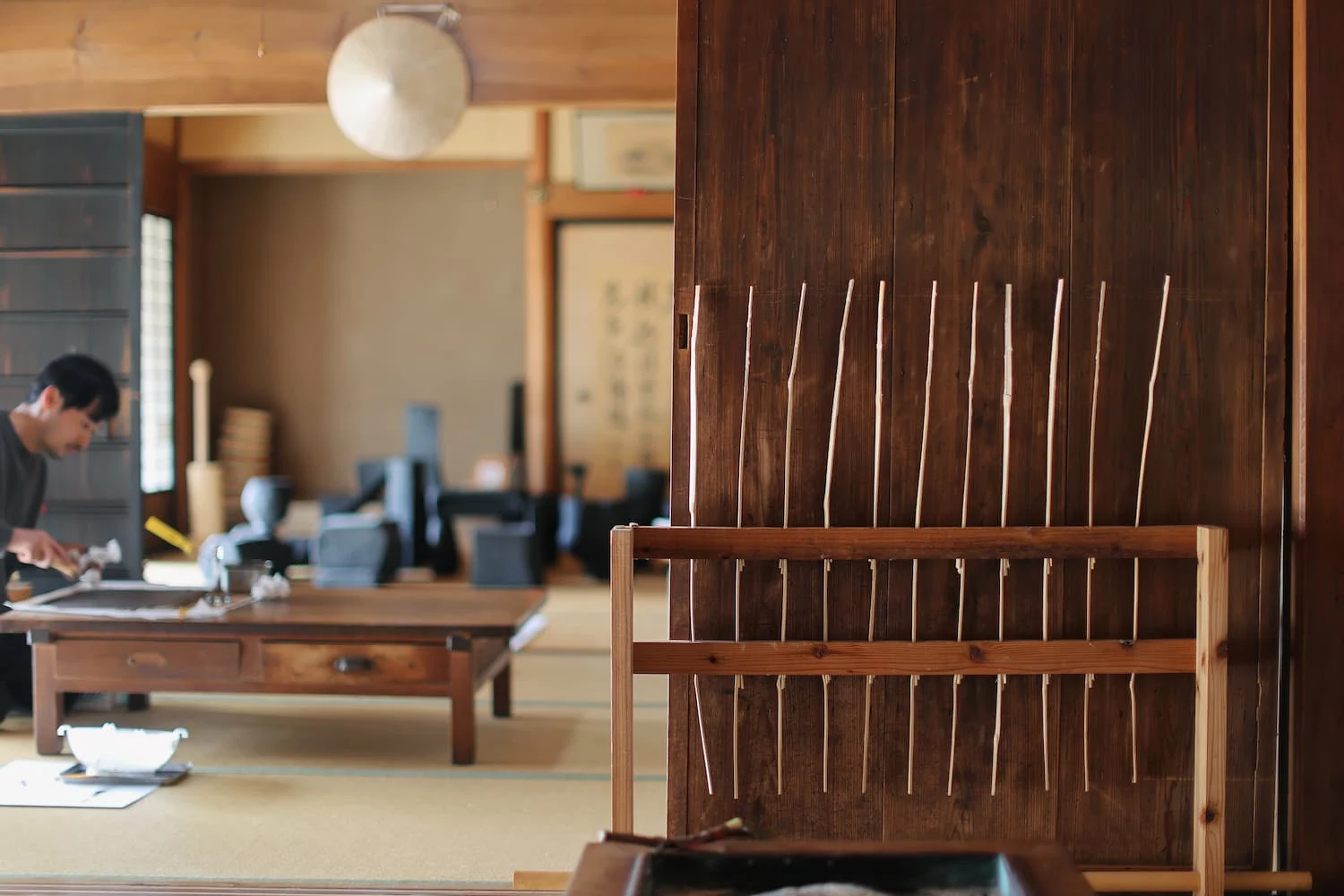
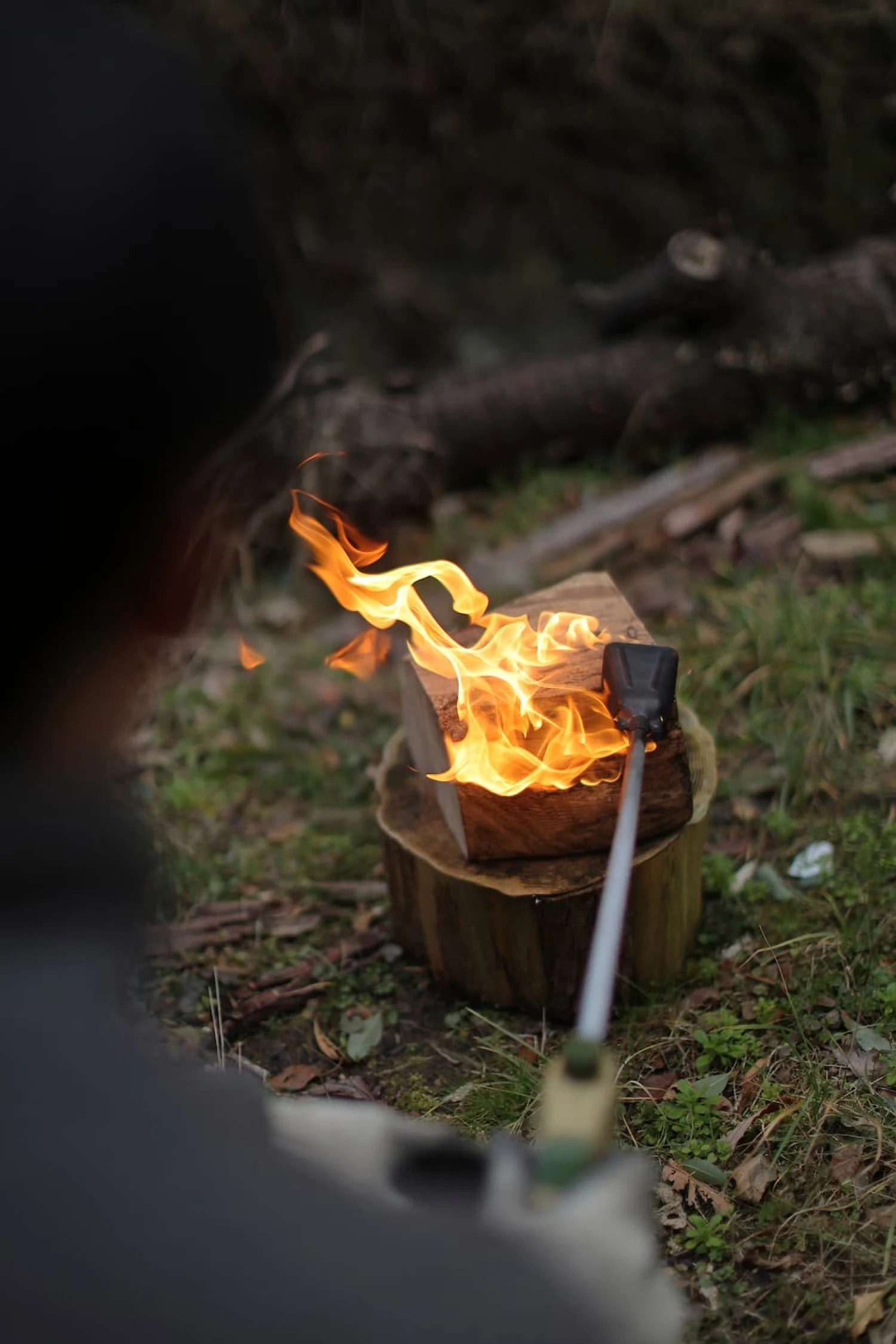
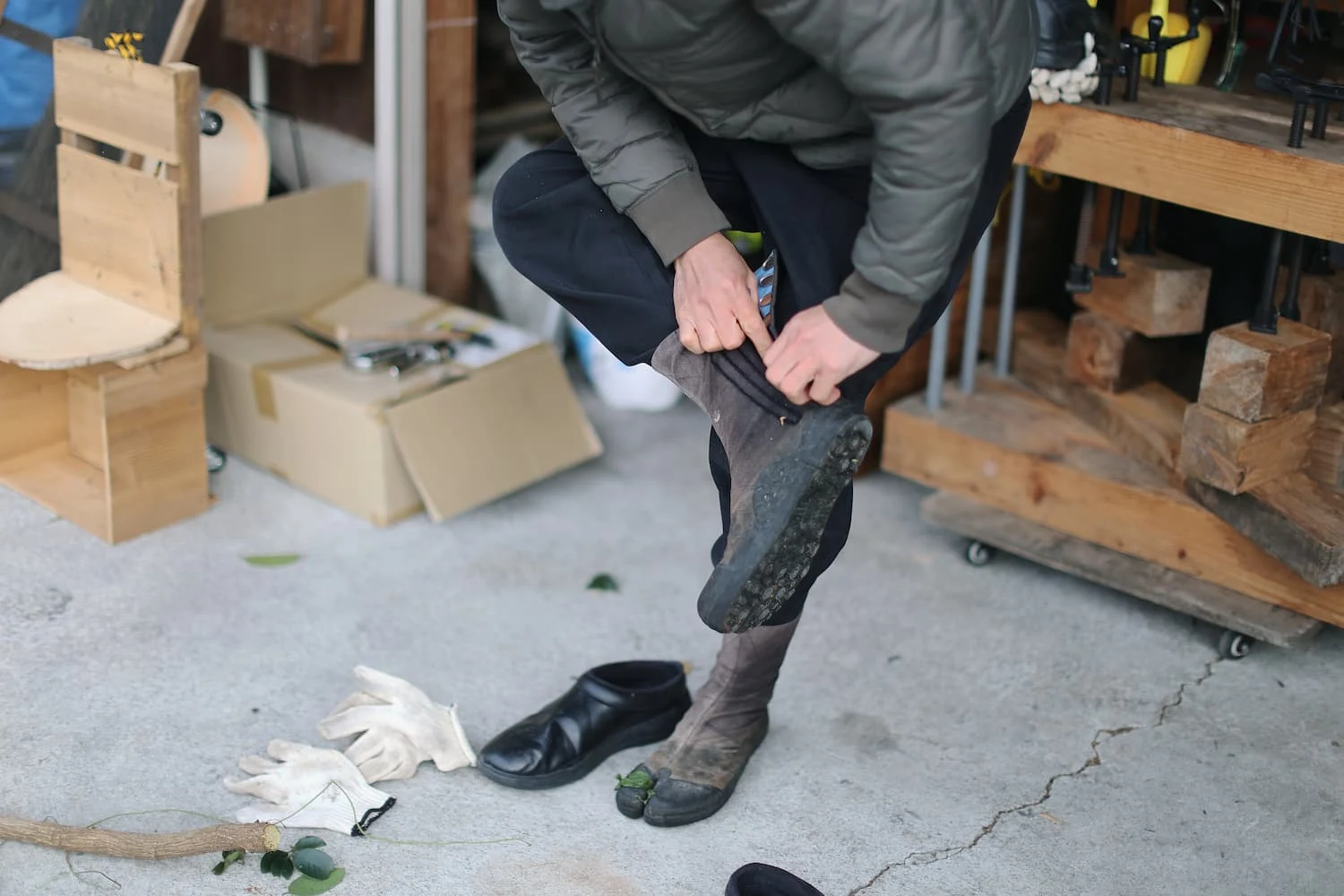
Photography credits: Itsuko Shimizu.
Repose Archive is a creative direction journal documenting processes and projects across art, design, architecture, and hospitality.