Sofia Salazar
Multidisciplinary artist
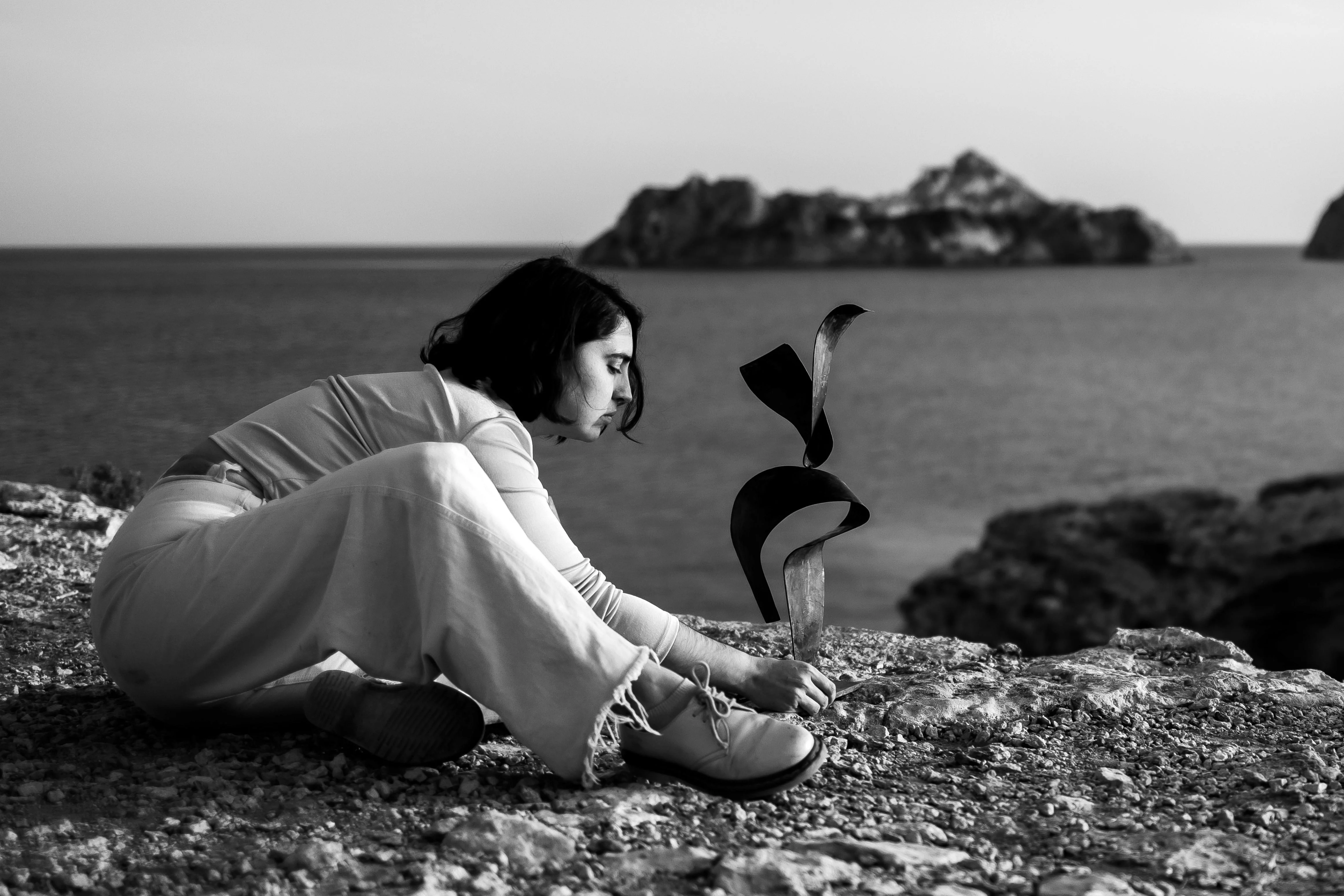
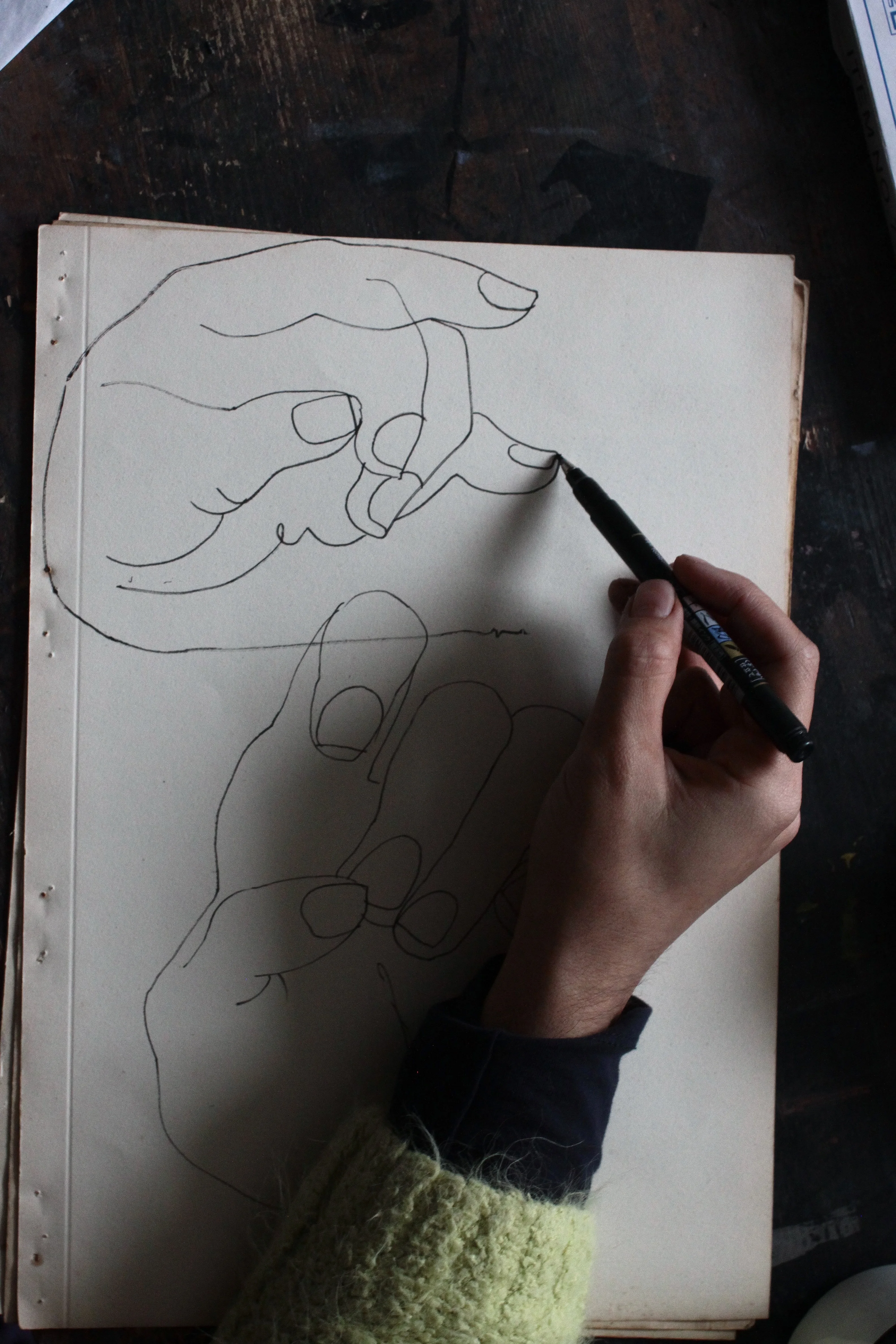
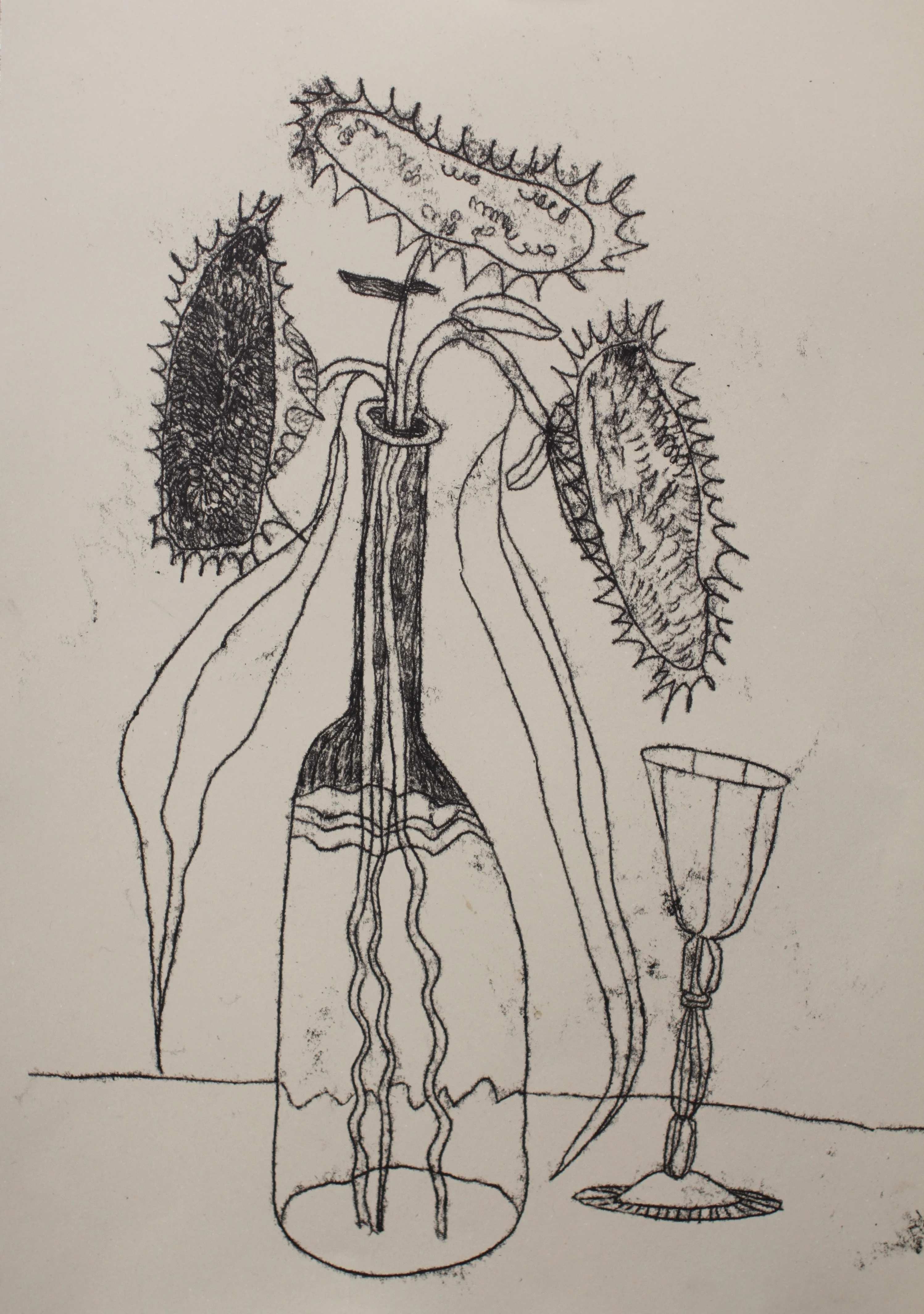
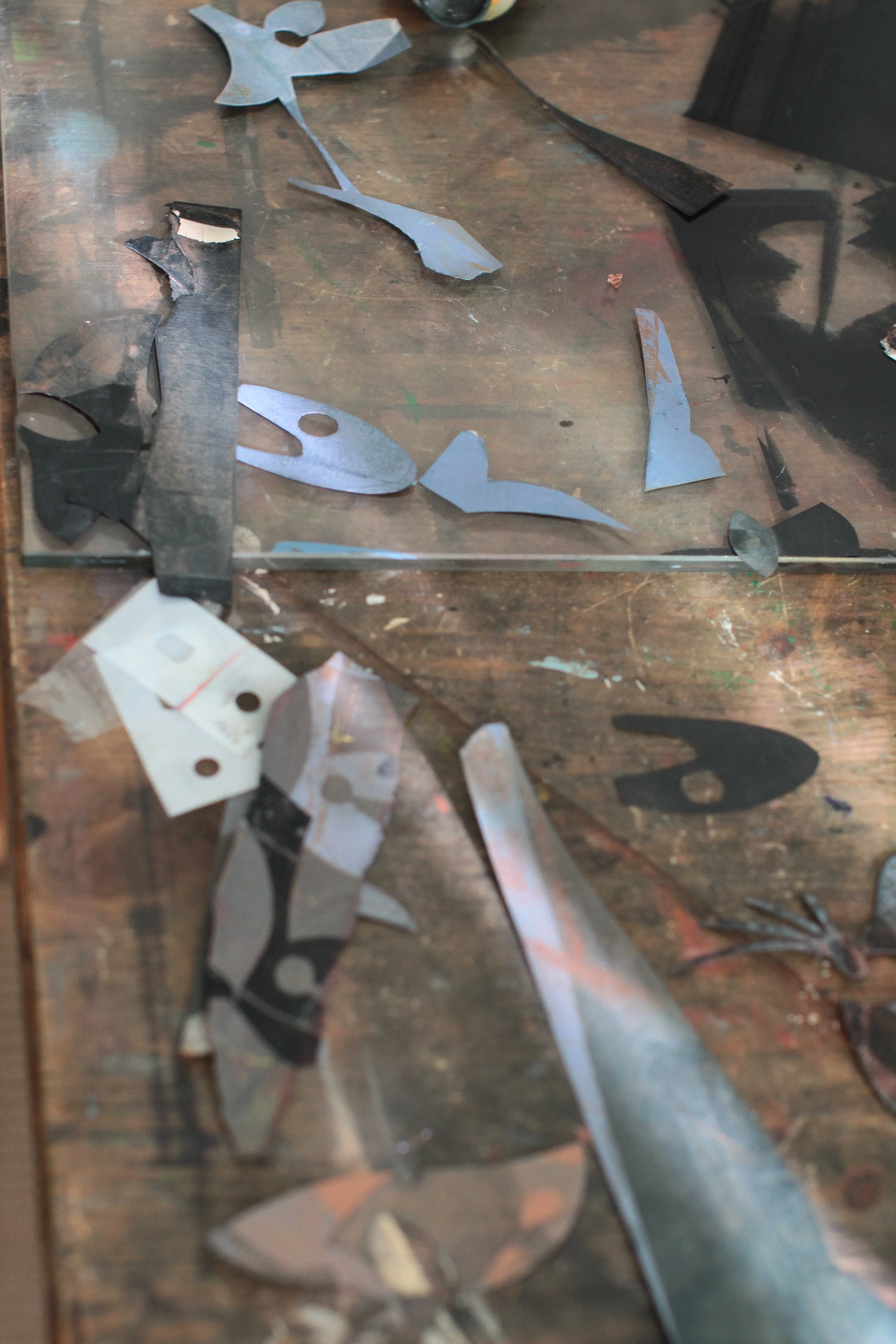
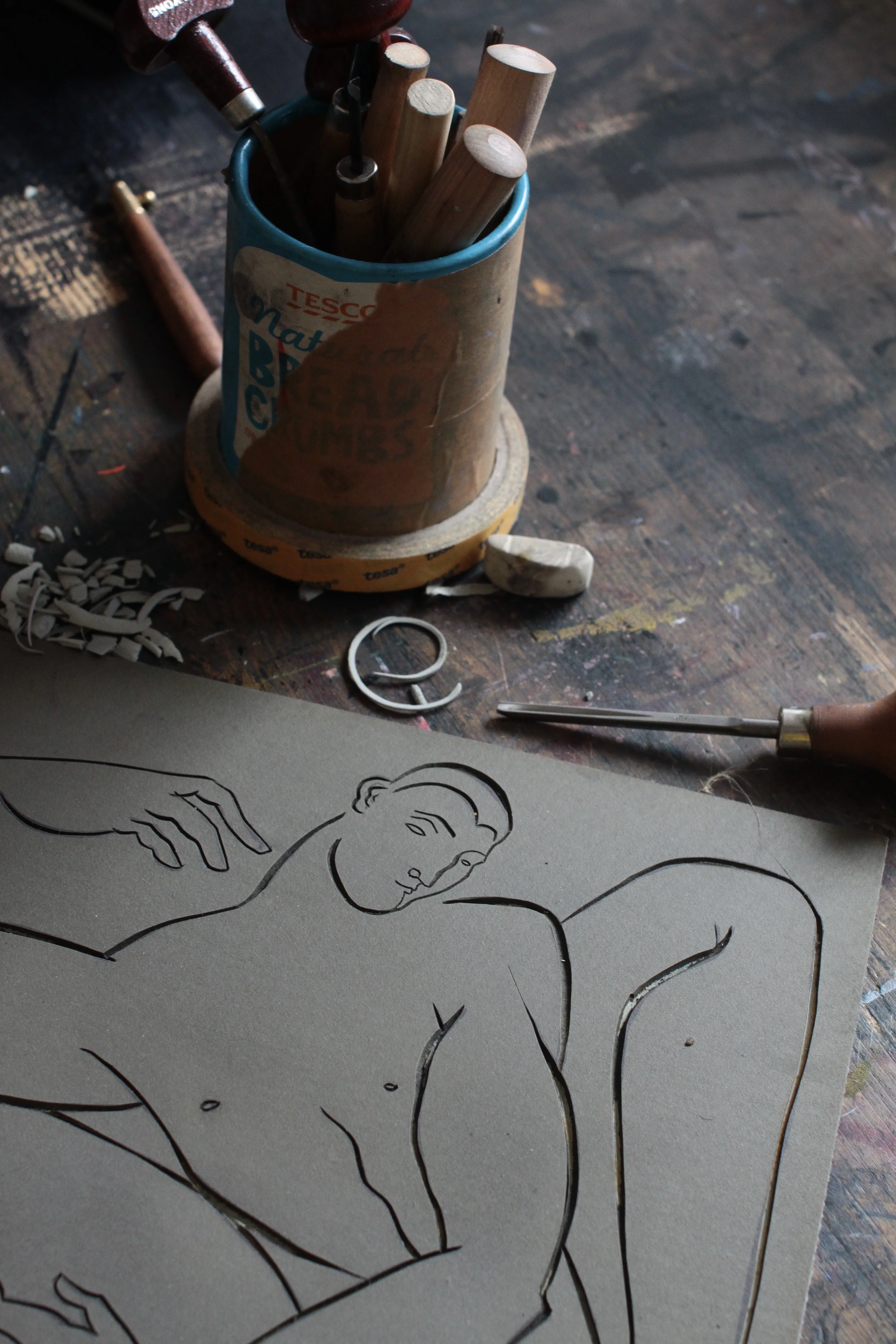
Sofia Salazar is an artist from Argentina, based in London. She trained in textile design before finding her way, through embroidery and engraving, to metal sculpture. She understands things by making them. Drawing comes first, then prints, then maquettes, then metal.
Photography (cover photo): Alberto Alcocer
Repose: How would you describe what you do?
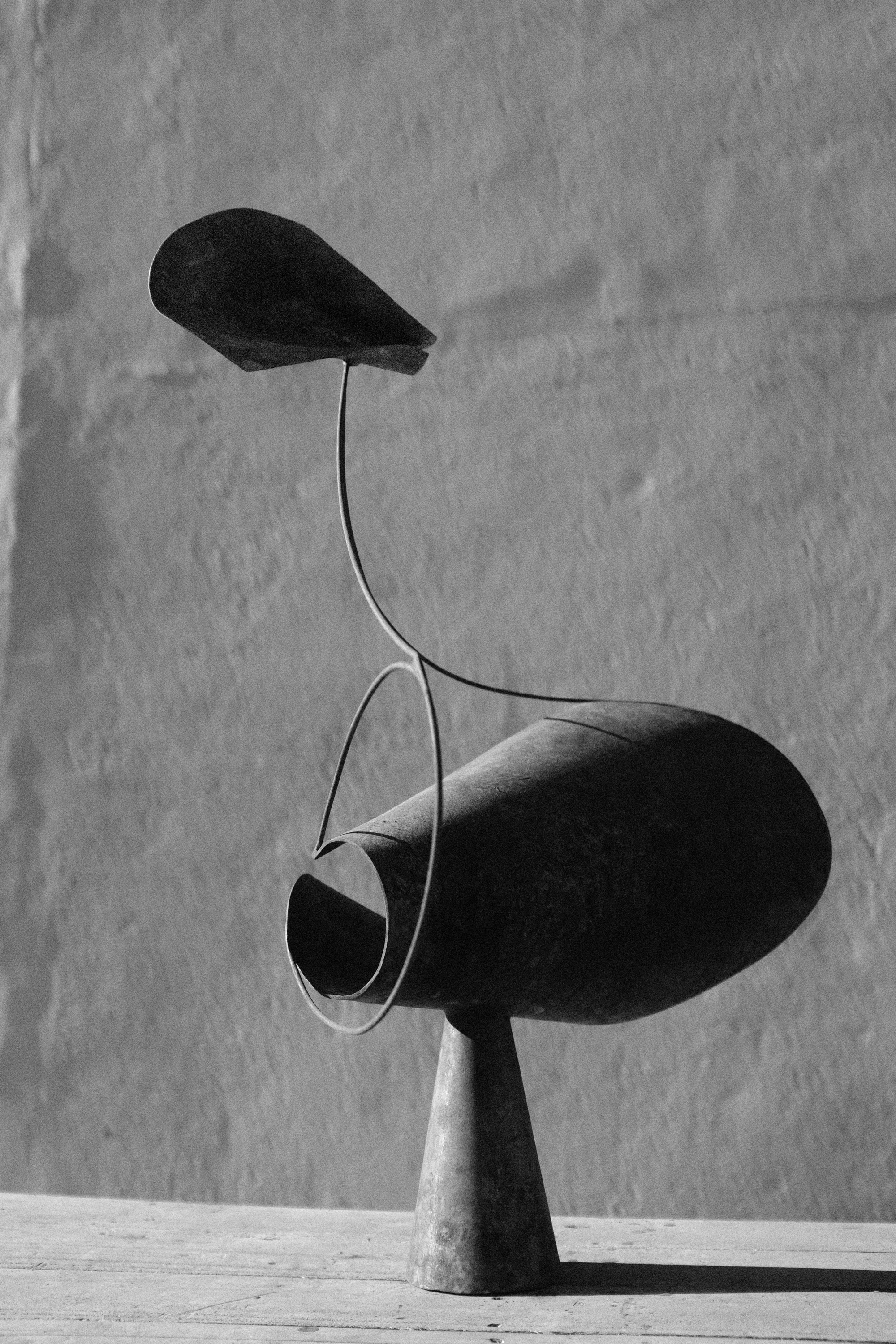
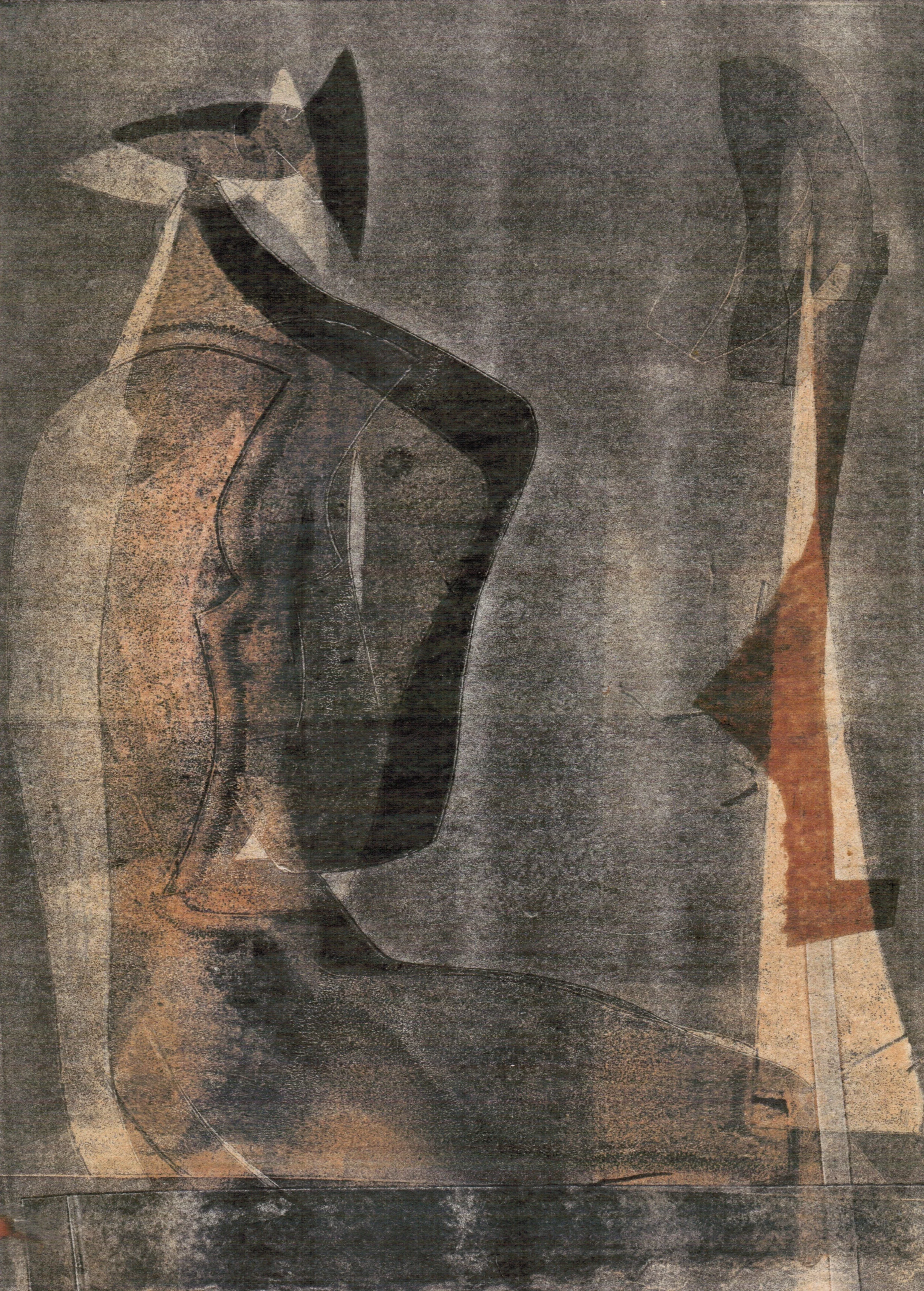
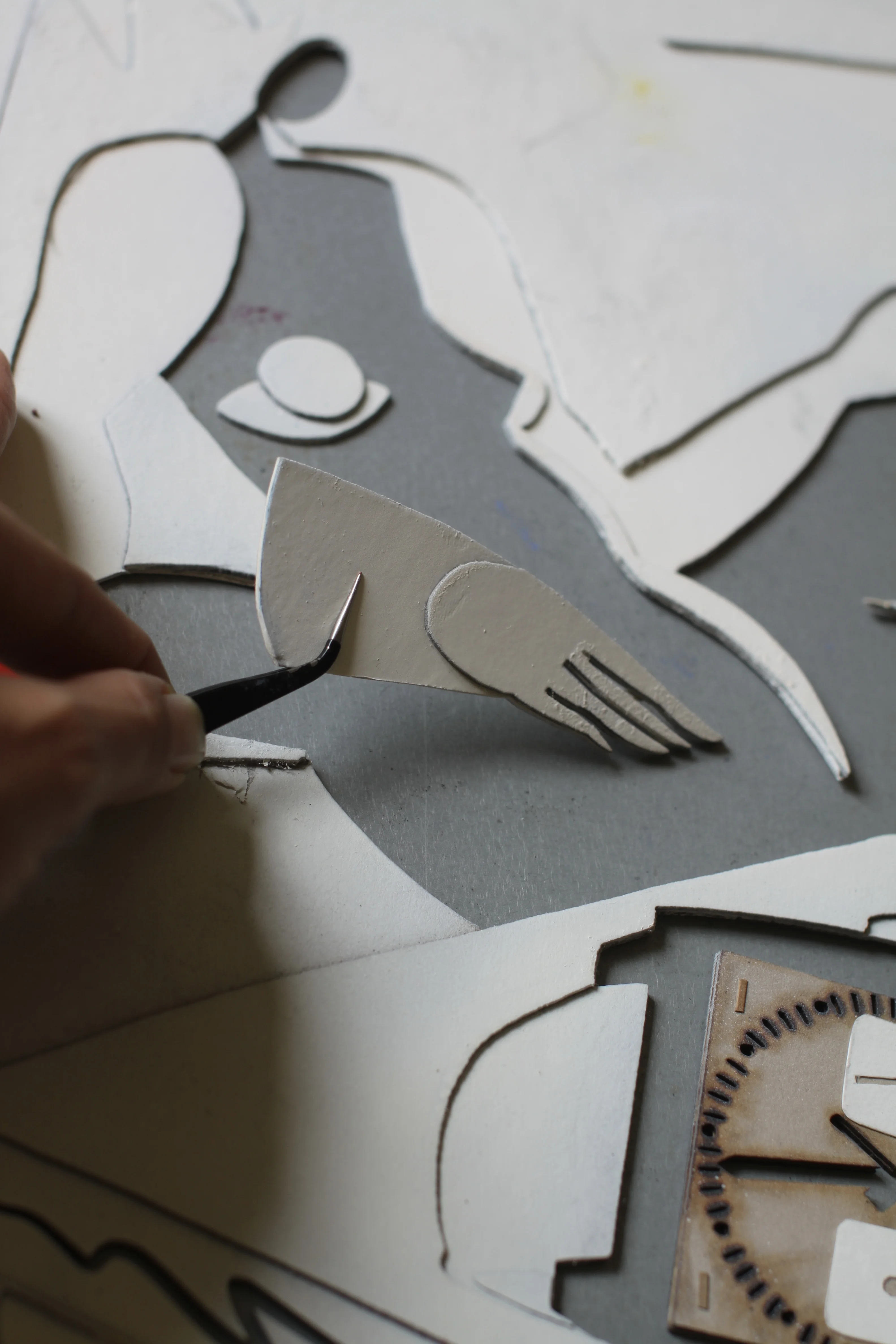
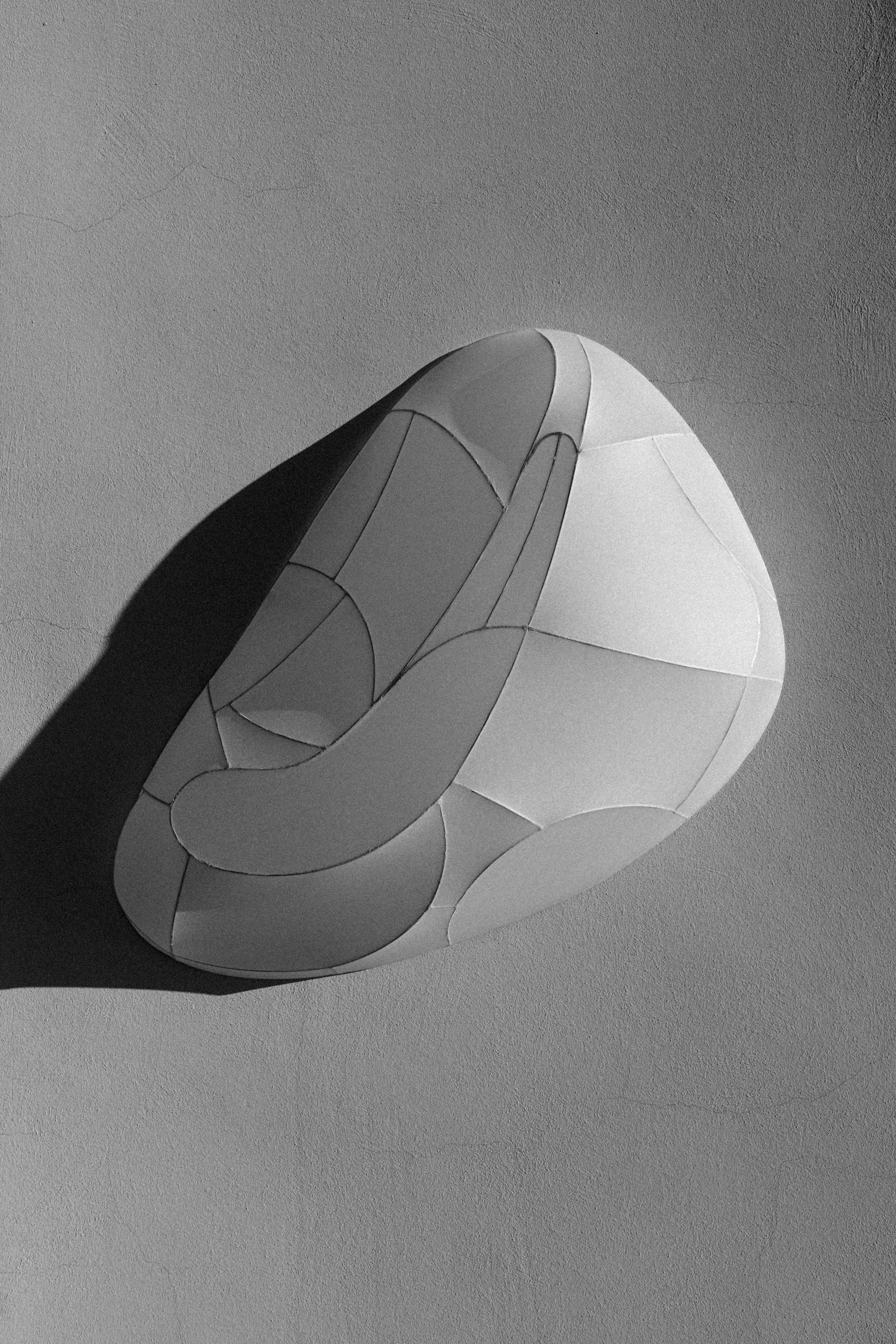
Sofia: I'm an artist and designer. I make sculptures, prints, drawings and objects, and I tend to move between them quite a lot. I work with different materials and processes, from welding and metalwork to embossing, printmaking and airbrushing. I like getting to know what a material or technique can do and then seeing what else I can get it to do.
Repose: What led you to start a personal project?
Sofia: I had recently moved to the UK, fresh out of uni and was trying to find work. I'd studied textile design at the University of Buenos Aires, but there wasn't much of a textile industry in Norwich, and London was too far away to commute. So while I was doing some freelance pattern design I started an Etsy shop, and eventually turned my personal Instagram into a professional one after someone made me realise people were using it to show and sell their work. That was 2014.
Then, in early 2016, I got into a residency at a textile arts centre in Iceland. I spent a month living and working alongside other artists, actually meeting for the first time people who called themselves artists. That changed a lot for me. Being there made me think: I could actually do this, I can be one of them.
There wasn't really one big idea at the beginning. Maybe something more like a business plan. I was trying to find a way to make the work I wanted and find an audience that would be interested. Working on my own gave me the freedom to move between disciplines and follow ideas without having to fit into a particular role or industry. Over time, what began as an attempt to create my own opportunities developed into a much broader artistic practice.
Photography: Sofia Salazar
Photography: Sofia Salazar
Photography: Alberto Alcocer
Photography: Sofia Salazar
Repose: In what ways do your culture, surroundings and background shape your creative practice?
Sofia: Both my parents studied art, and I grew up in a family of makers. In our house, making things was just part of what you did. It could be a knife shaft, a piece of clothing or a birthday present. Some of it came from necessity, but there has always been a strong appreciation for beauty, craftsmanship and the satisfaction of making something with your own hands.
There's also a certain melancholy I recognise in myself and sometimes in the work. I don't know how much of that is cultural and how much is to do with having moved around so much since I was a kid, but it is probably a bit of both. That feeling of always being somewhere between places has stayed with me and I think it can be seen in what I do.
Photography: Alberto Alcocer
Repose: What challenges did you face when starting the project or trying to make a living from creativity?
Sofia: Uncertainty was probably the biggest challenge. Not knowing if it was going to work. I'd invest all of my time in my project and then, from time to time, question whether I should instead be getting a job that would actually build my CV, or doing something a bit more sensible. When you're working on your own, it can be really hard to tell whether you're getting somewhere or just spending a lot of time on something you really want to work.
I still sometimes wonder if this will be sustainable over time. I think learning to live with that uncertainty is part of having an independent practice.
Photography: Sofia Salazar
Photography: Alberto Alcocer
Repose: Do you face any challenges when communicating your project? Which ones?
Sofia: Definitely. I think I'm generally much better at making work than talking about it. Sometimes I find it difficult to separate myself from what I'm doing enough to explain it clearly in words.
Social media has also become increasingly challenging. I used to share so much on Instagram. How I made things, what I was watching, what I was thinking about. I'd gradually bring an audience along as the work developed. It felt like a genuine conversation.
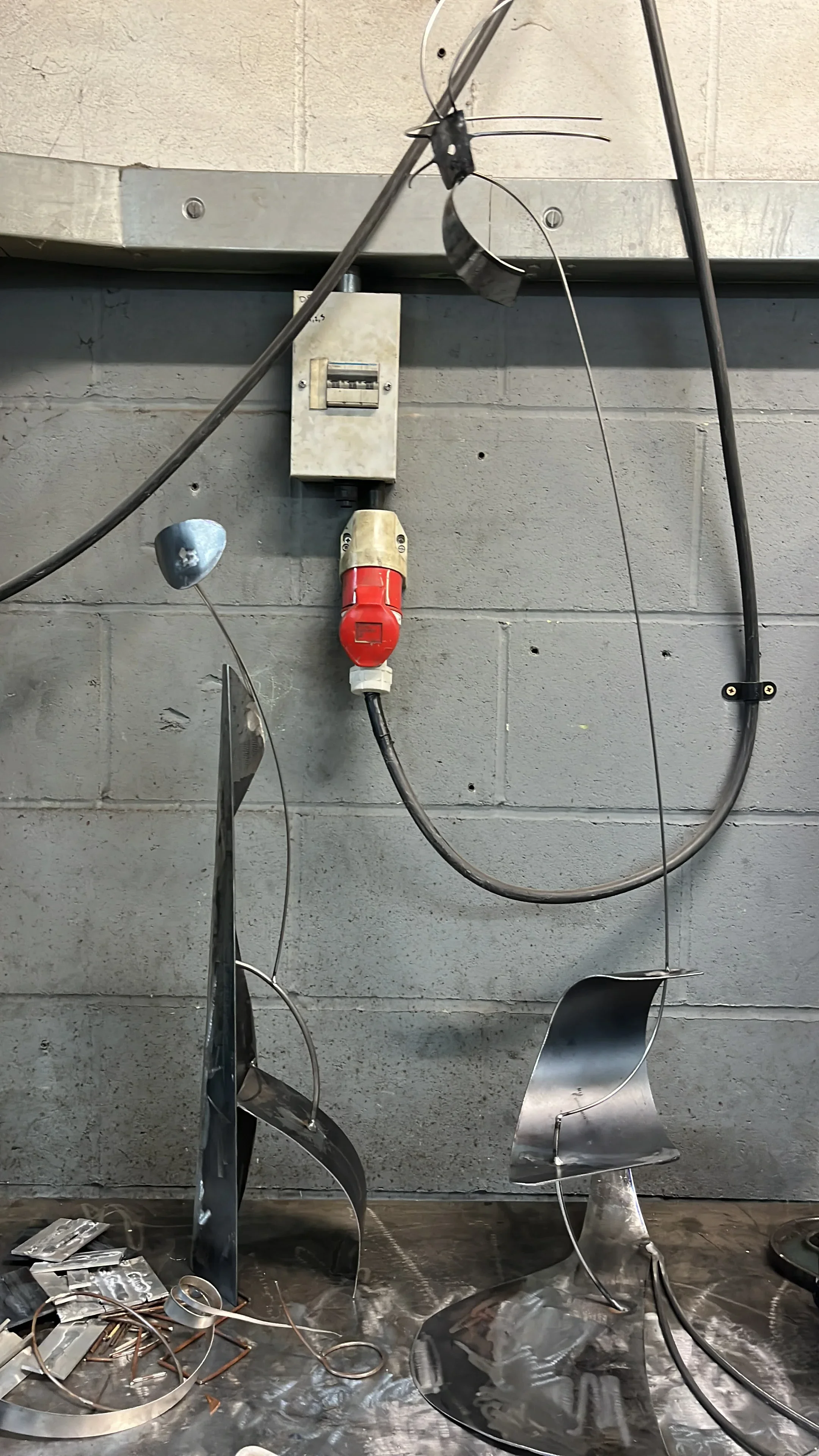
When I moved to Barcelona I started doing more metalwork and it became harder to keep that up. You're in a workshop with other people, trying to work out how to join two pieces of steel, and you're also supposed to film it beautifully.
I also started spending much more time outdoors and less time online, which changed my relationship with social media. It gradually started feeling more like an obligation than something I genuinely wanted to do. I care a lot about honesty, and I don't want to share things simply to keep an audience engaged or encourage sales. The content that tends to circulate widely often moves much faster, calls for you to speak to camera or show yourself, and demands a level of consistency that doesn't fit with the way I work. The slower and more involved my processes became, the harder I found it to document them in that format. And after eleven years, I think I also became a little tired of it.
Photography: Sofia Salazar
Photography: Sofia Salazar
Photography: Alberto Alcocer
Repose: Do you feel that the public understands the idea, concept or value behind it?
Sofia: I should definitely worry less about the public's reaction to my work. When I become too concerned with what I imagine people might expect, like, or understand, I start taking less risks and I think the work becomes much blander as a result.
Of course, it's difficult not to care. I receive lovely messages from people who tell me they enjoy seeing how my work evolves, even as I move between different techniques and approaches, but the numbers on social media don't necessarily reflect that. I've gradually become much more OK with that.
I genuinely believe I'm making better work now than I was ten years ago, even if what I'm making today might be less immediately popular. I think it's my place to make the best work I can, rather than simply trying to produce what might perform best in the current trend.
Photography: Sofia Salazar
Photography: Sofia Salazar
Repose: Now that your project is real and up and running, do you think it still embodies the essence of the original idea? Has the concept evolved?
Sofia: What interests me keeps changing over time. Curiosity is a very core part of my personality and the way I work, so my work often moves along with it.
A lot of my practice comes from trying to understand something. One of the best ways for me to learn about a technique, a material or a subject is to try to make something with it, or to immerse myself in a particular world and find out everything about it. Then I might return to a subject years later with a different perspective, or I might leave it behind altogether.
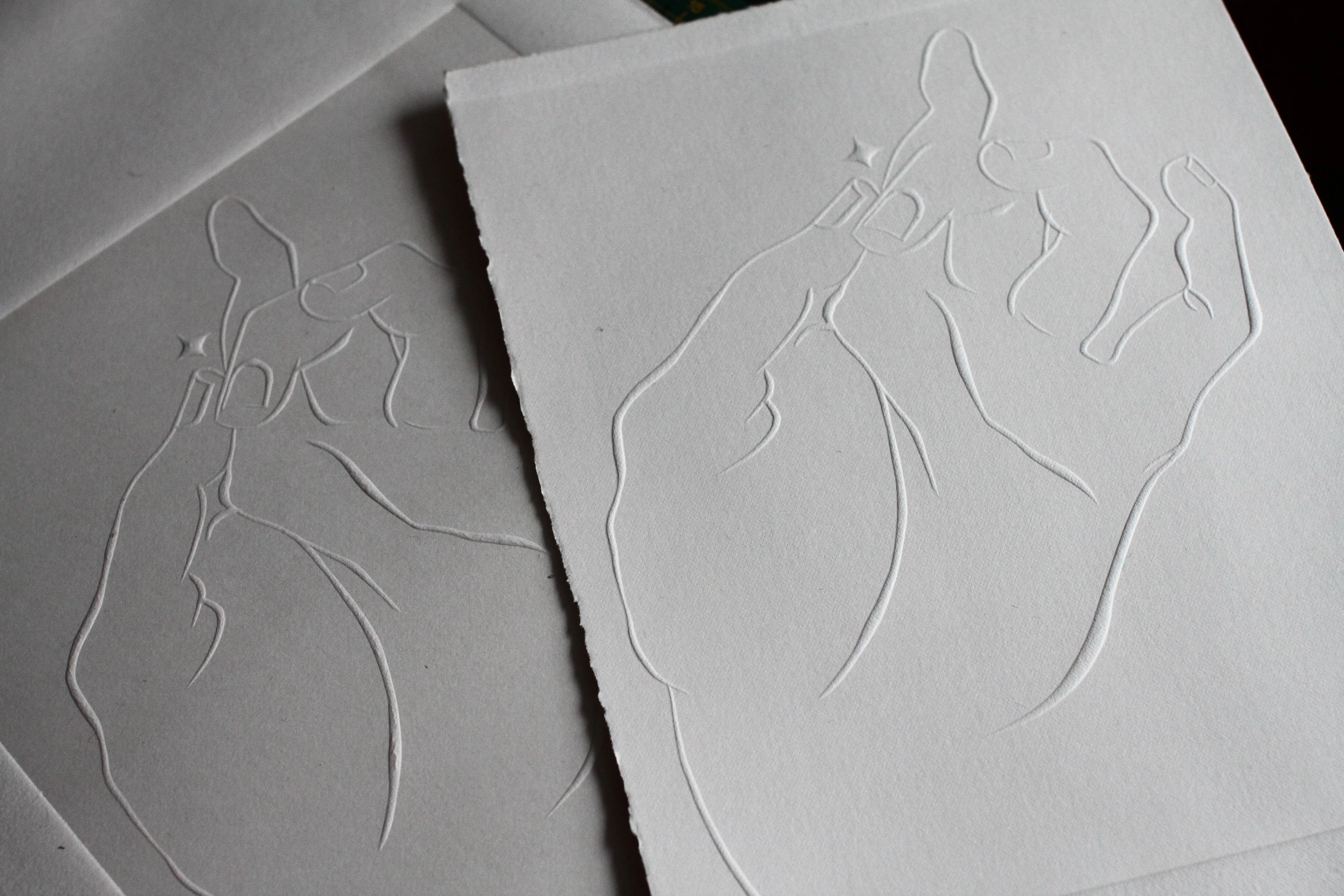
There are recurring themes throughout my work, particularly around gesture, identity and sexuality, even when they're not immediately visible. Sometimes I'm drawn to more abstract subjects, where those underlying themes become harder to see. I think the practice has evolved quite naturally in this way, rather than following a fixed original concept.
Photography: Sofia Salazar
Photography: Marcelina Sosnowska
Repose: What would you tell the person you were when you started this project years ago?
Sofia: Actually, I think I'd be more interested in hearing what my younger self would tell me. I remember feeling much freer when I first started. Everything seemed possible, and I hadn't yet developed a particular aesthetic or a style that people associated with me. My main concerns were simply to make better things every day and to find an audience.
Now I think much more carefully about what I put out into the world. Many times I overthink things before I've even started making them. I wonder where they'll sit within my practice, whether they'll communicate well, or whether they make sense in relation to the work I've done before. It's a problem to be too much in your head, and it's a problem I have to deal with often.
Photography: Sofia Salazar
Photography: Marcelina Sosnowska
Repose: What excites you most about your current project? And the future?
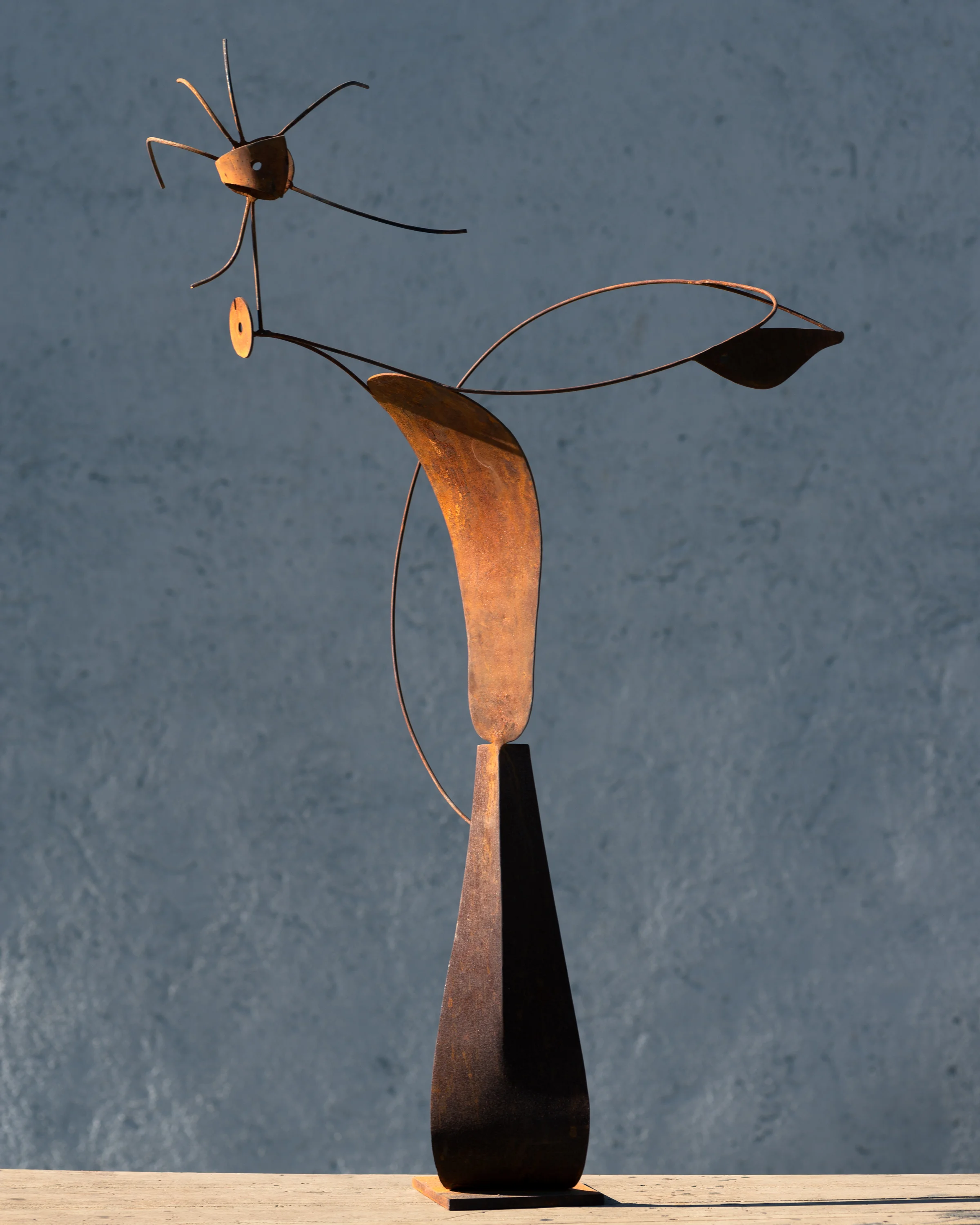
Sofia: I'd love to make much larger sculptures and maybe do something in a public space. At the moment I can pick most of my pieces up, turn them around and bend things myself. Once a piece is two metres tall, you can't just pick it up and see if it looks better the other way round. You need different tools, you might need other people, and some things you're used to deciding as you go have to be worked out earlier. I'm really looking forward to finding out what that does to the final work.
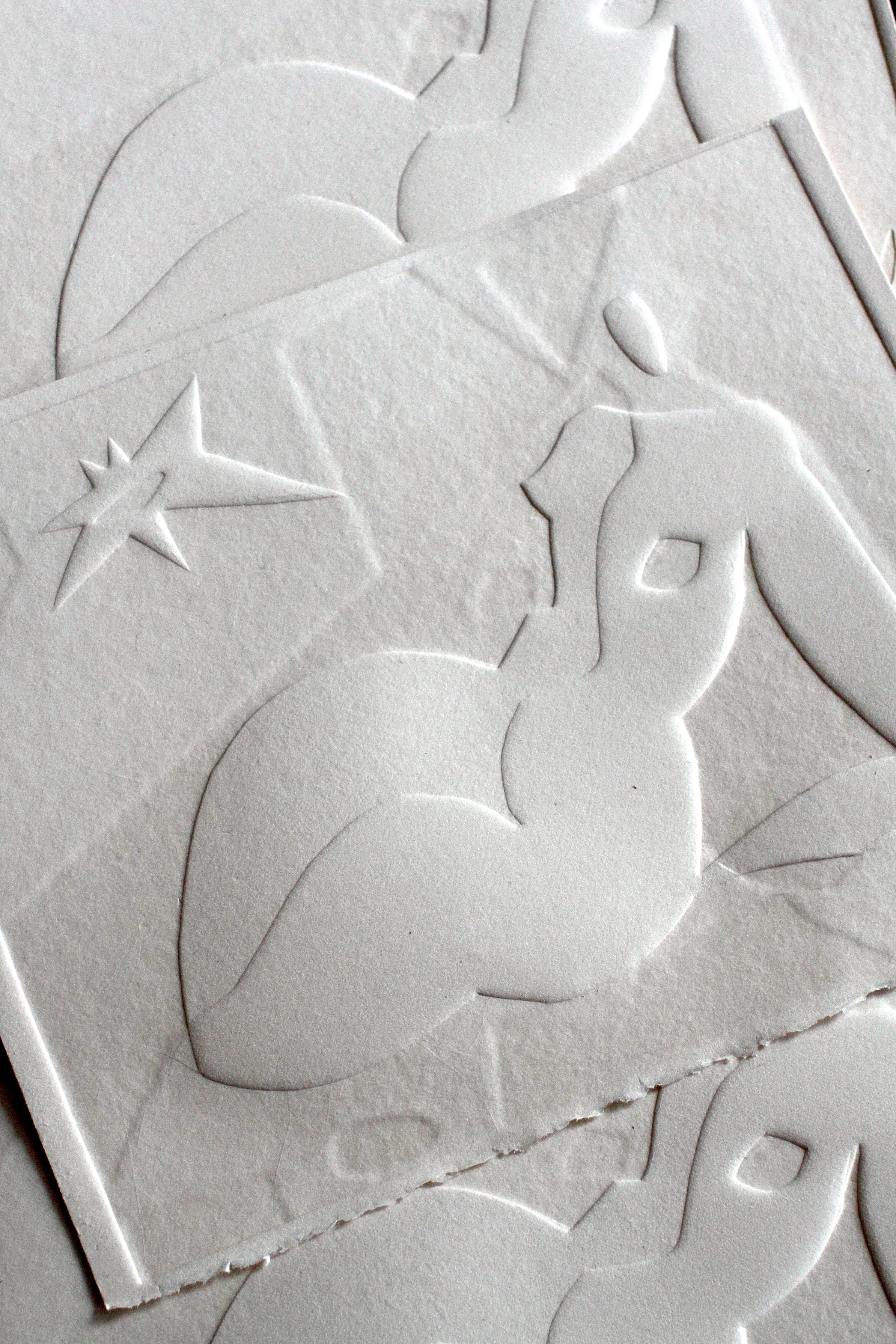
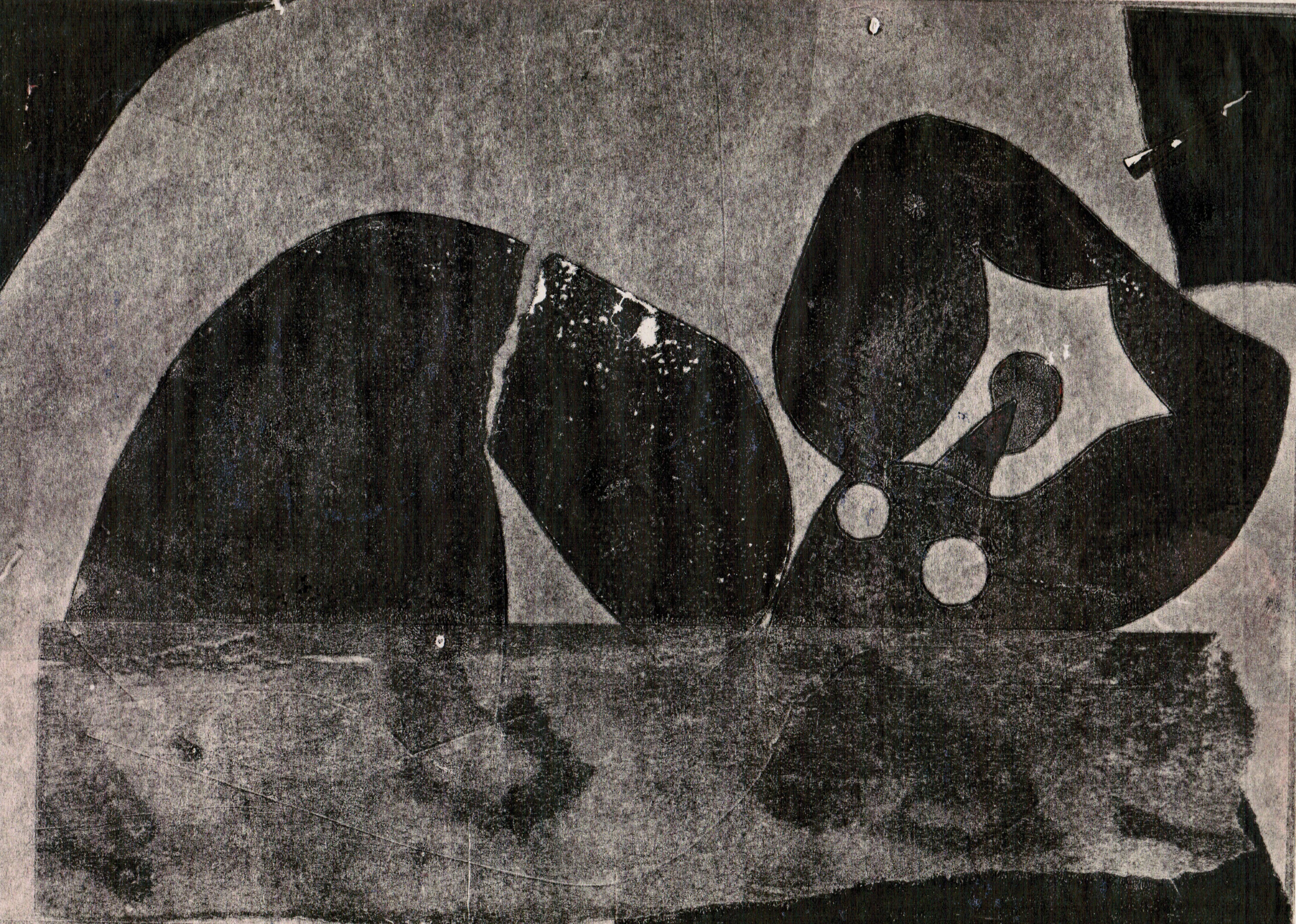
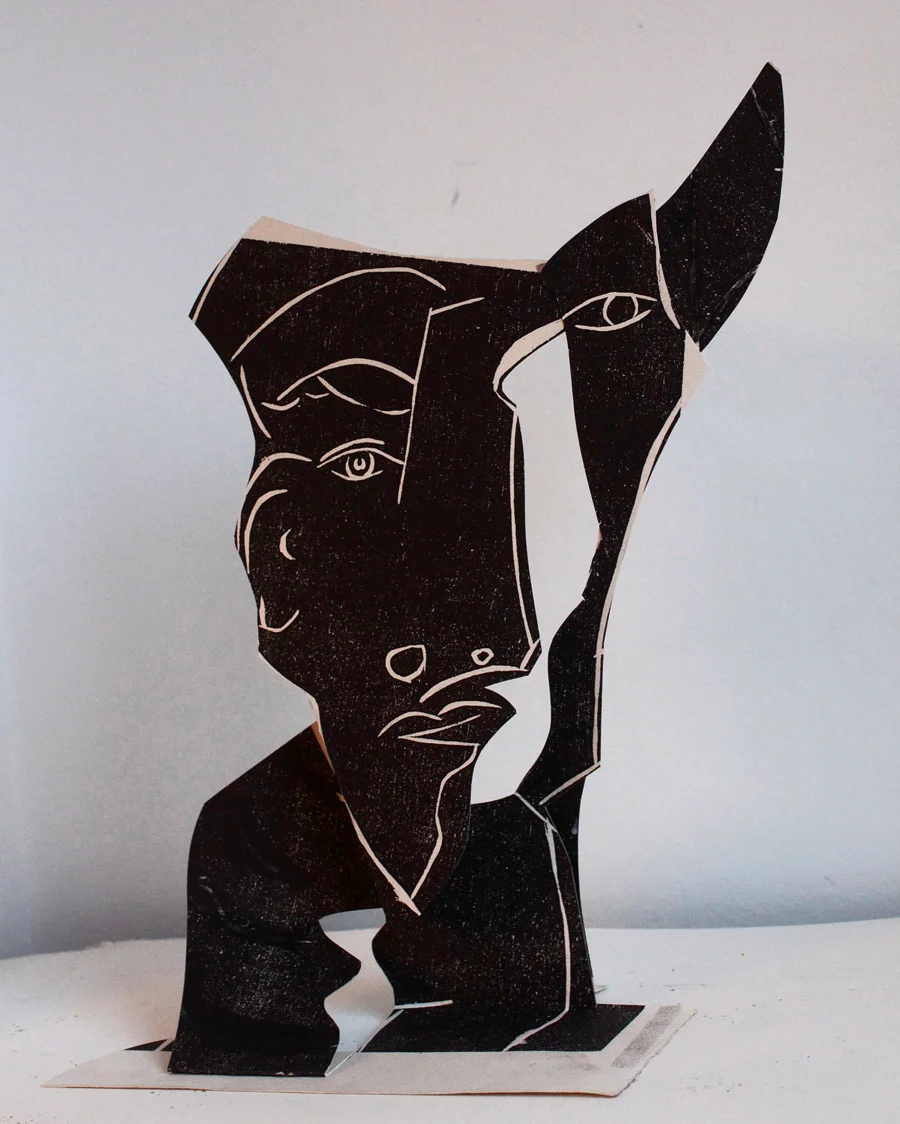
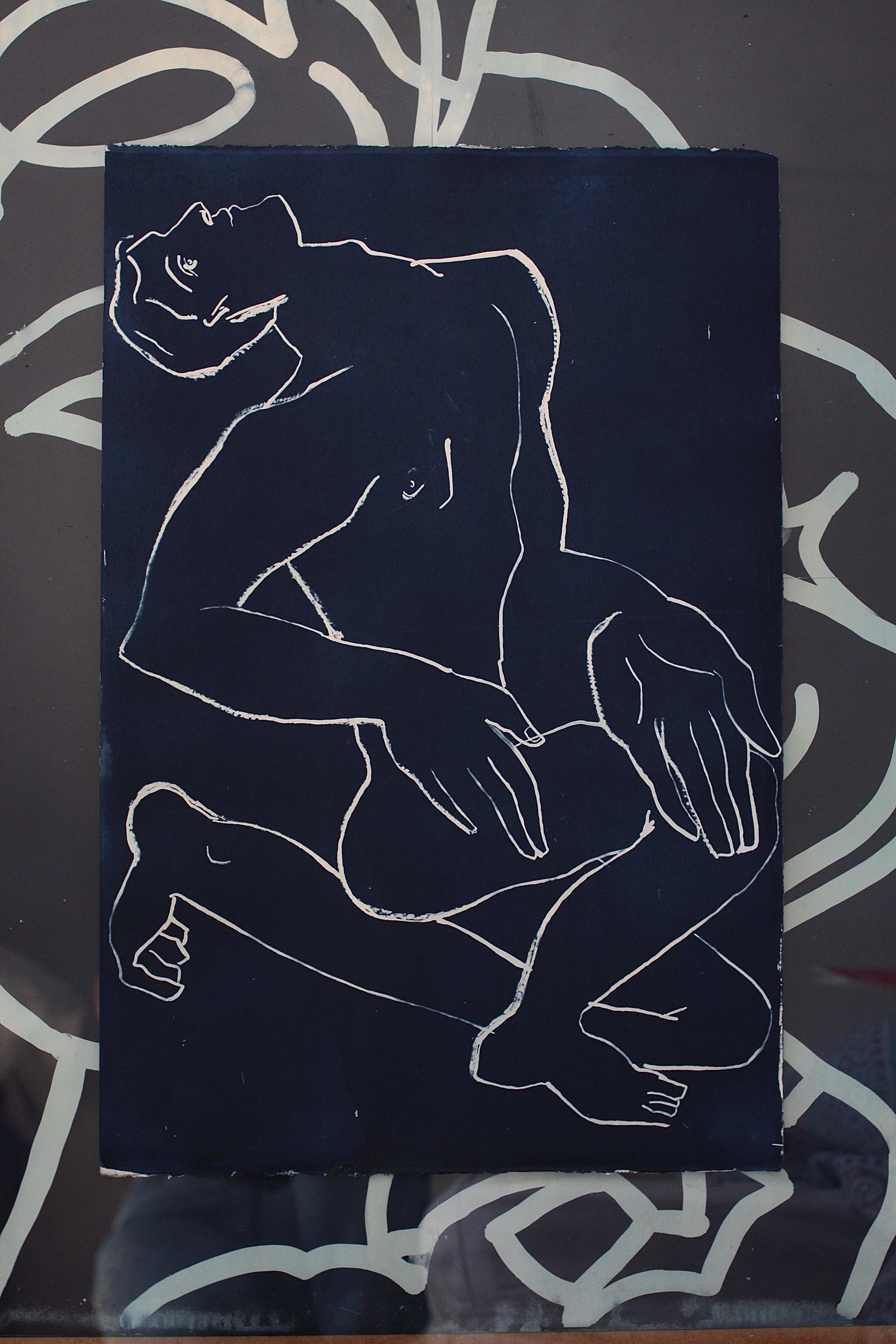
I'm also trying to work out how to make some of my prints much bigger. I'm referring to a body of work made with the pochoir technique, and so much of what I like about them is in the texture. The very thing that makes the texture different every time is what's really difficult to control.
On a more practical level, I want to eventually reach a point where I don't have to be responsible for every aspect of running my practice, particularly sales and admin. In an ideal world I would dedicate most of my time to commissions, producing work, exploring, researching and testing. I've enjoyed the independence, but anyone working on their own knows that managing every aspect of your work is not only exhausting, it's also very time consuming.
Photography: Sofia Salazar
Photography: Sofia Salazar
Photography: Marcelina Sosnowska
Repose: Are there certain design philosophies that inspire you in particular?
Sofia: I don't know if I follow one in particular, but I do love reading about other people's practices. I'm probably just as interested in reading about how someone makes something as I am in looking at the finished work. I always want to know what people notice, what they've tried, how they feel during the process and how they arrive at the final work.
I usually have at hand books like In Praise of Shadows, The Beauty of Everyday Objects, A Treatise on Japanese Aesthetics, Bruno Munari's books, writings by artists like Henry Moore and Alexander Calder, and interviews with people like David Hockney and Marcel Duchamp. More recently I've been reading more about nature, philosophy and gardening.
Photography: Sofia Salazar
Photography: Sofia Salazar
Photography: Alberto Alcocer