Art
Joerg Koziol
Sculpting through listening
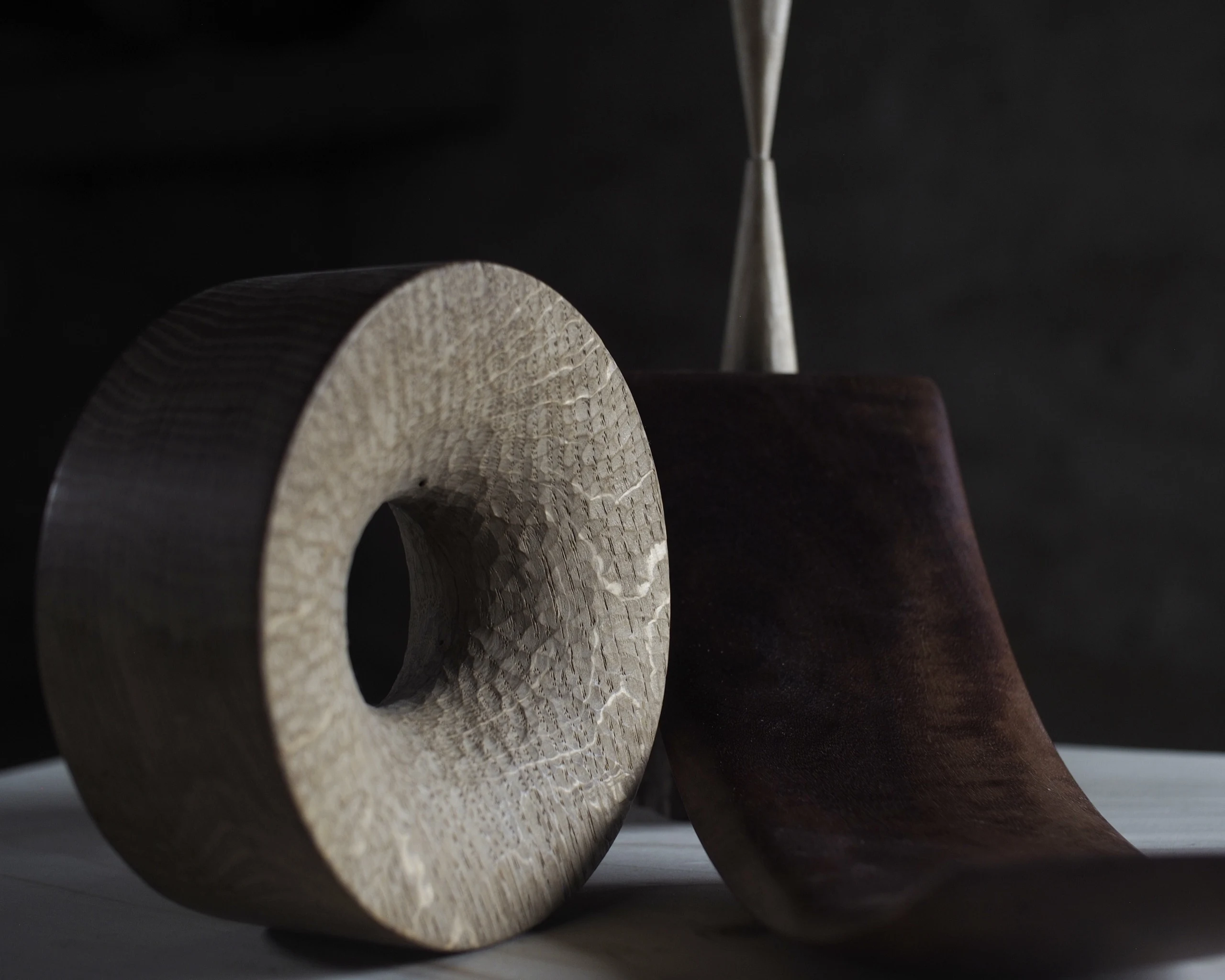
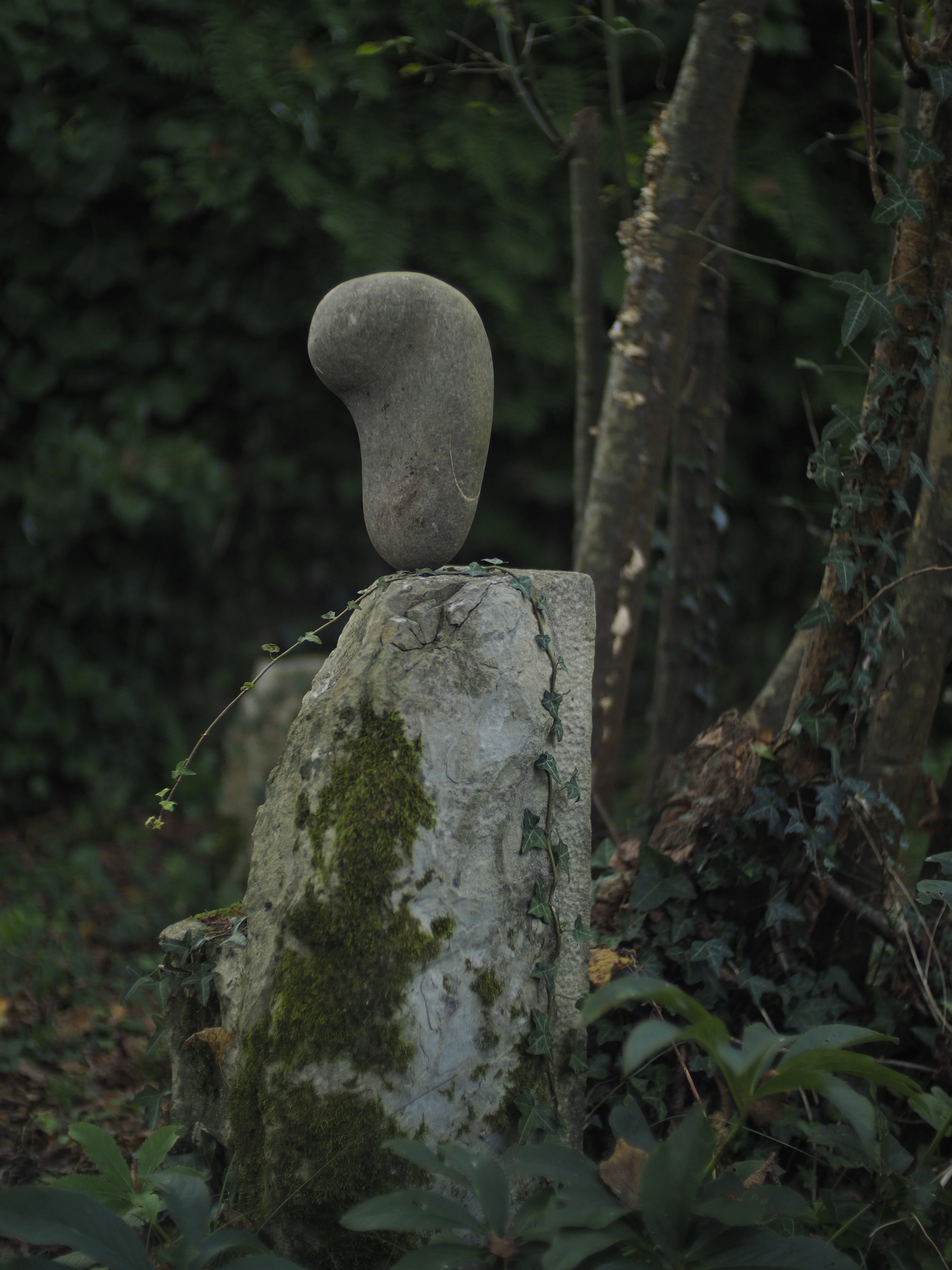
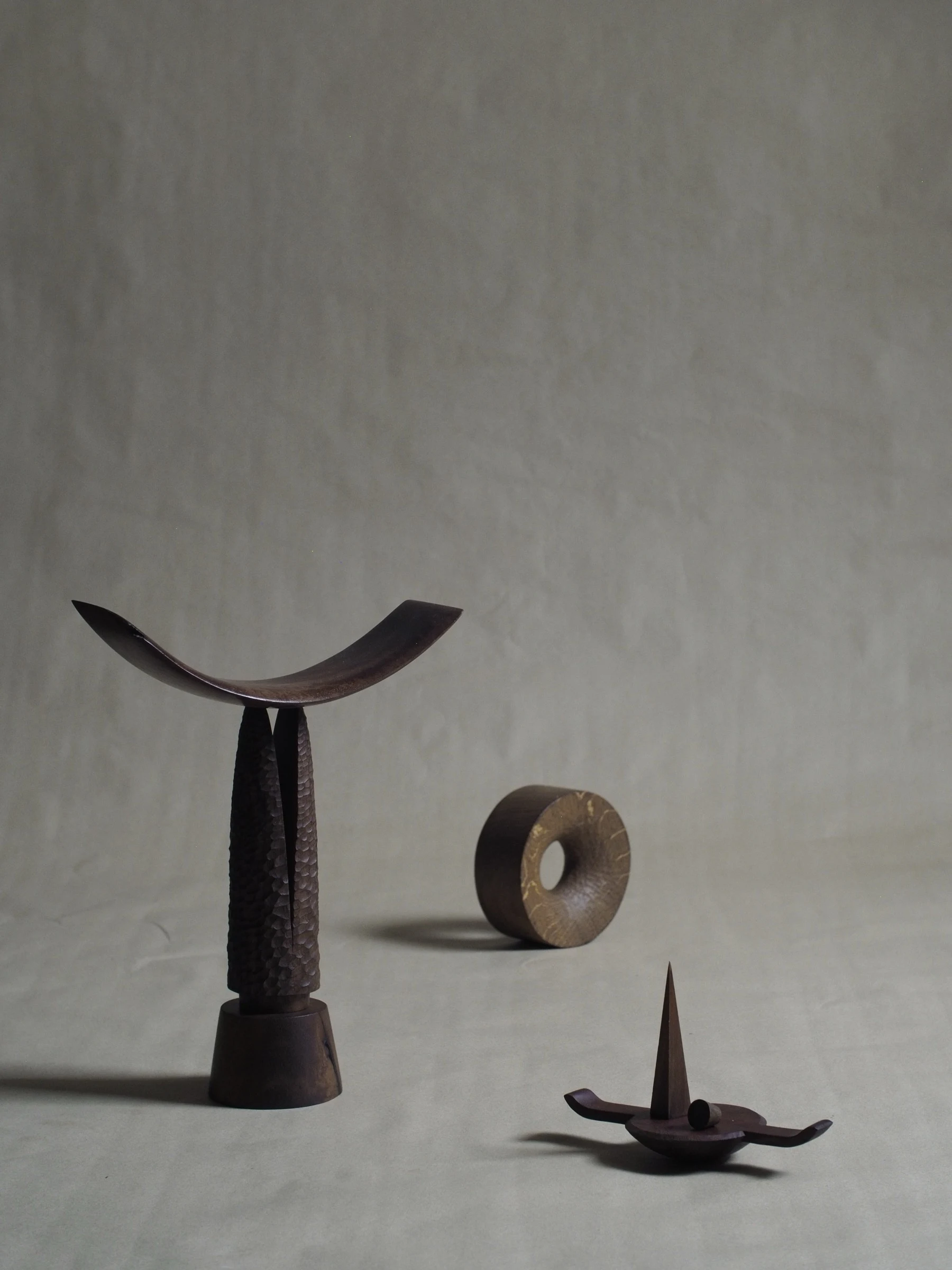
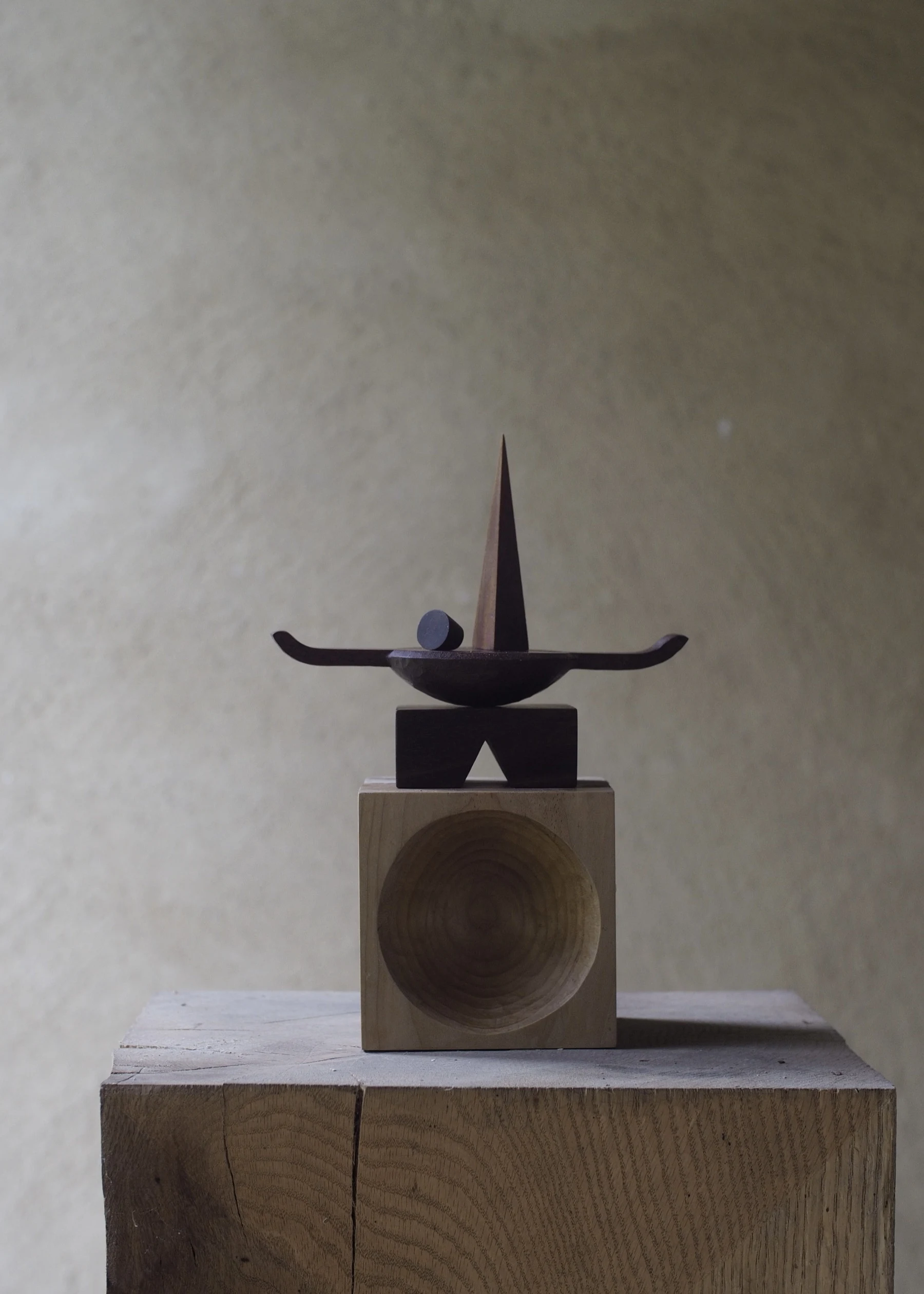
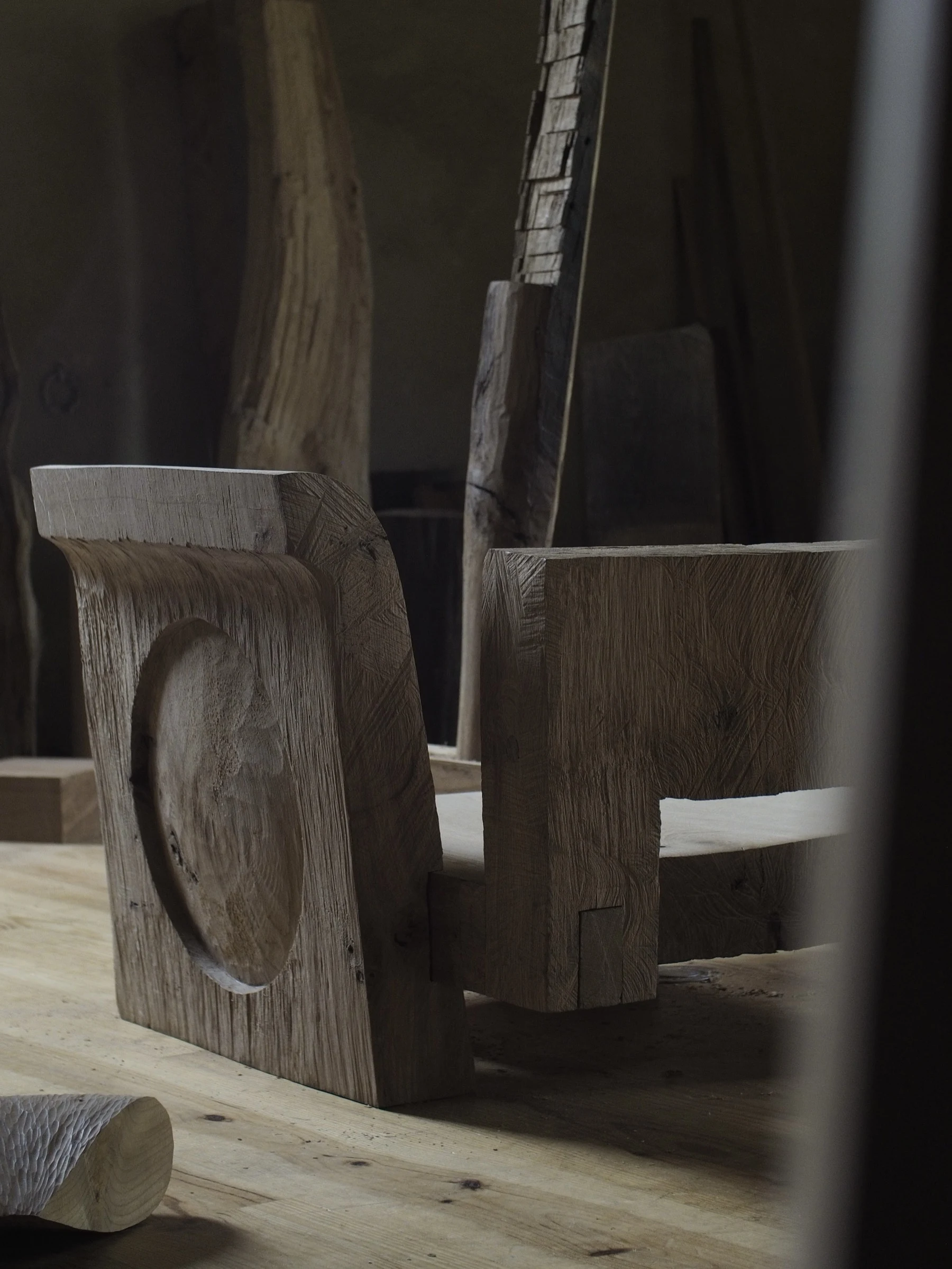
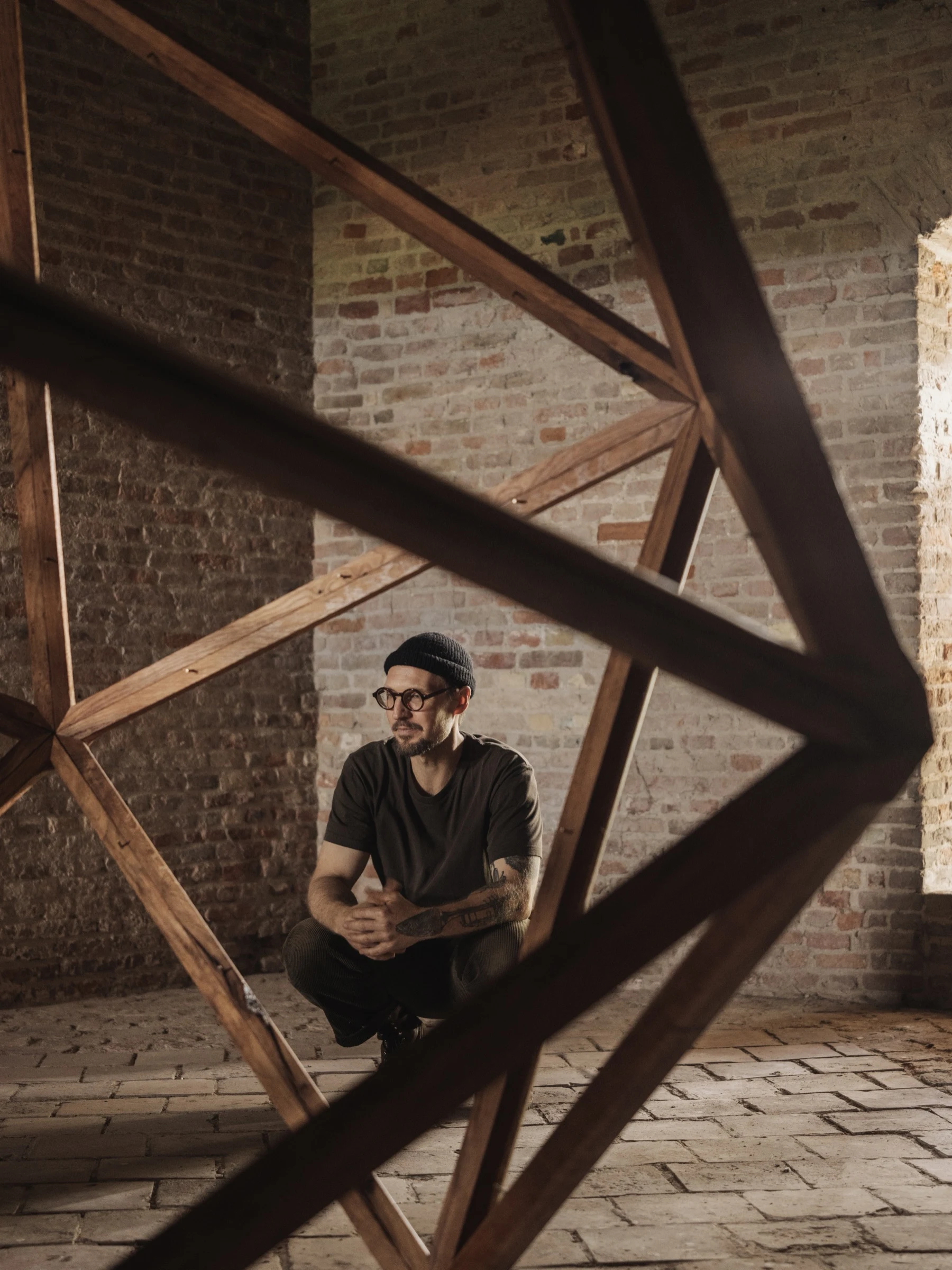
Joerg Koziol is a German sculptor based in southwest France. He works with wood and natural materials, following the form where it wants to go. During our conversation, we spoke about process. The process of making a piece, and the process of a life. How sometimes he spends days, weeks on a piece. And it goes nowhere. He leaves it. He cannot force it. Maybe it comes back. Maybe that process was only there to open the door to the next one.
How would you describe what you do?
"What I do is something I feel I have to do. And I mean that in the best way possible. It's not just about the final result. It's personal, it's everything else that comes with it. Balancing life in society and the creational process, forming a nurturing environment, taking care of oneself and the people you love. The reflections, the materials, the tools. The process of making and mastering all the little challenges of this beautiful dance."
What led you to start?
"Finally hitting a wall. And through that friction, finding the courage to follow my intuition. From trying to be. From chaos to peace. Recognizing my own responsibility and the freedom to choose."
What challenges did you face when starting, or trying to make a living from creativity?
"The challenges are more on a personal level. They are related to keep trusting, choosing, committing, listening, prioritizing, validating, integrating. To stay grounded and connected, open and flexible. Give up on control to be able to surrender."
Do you feel that people understand what is behind your work, or do they just see a beautiful object?
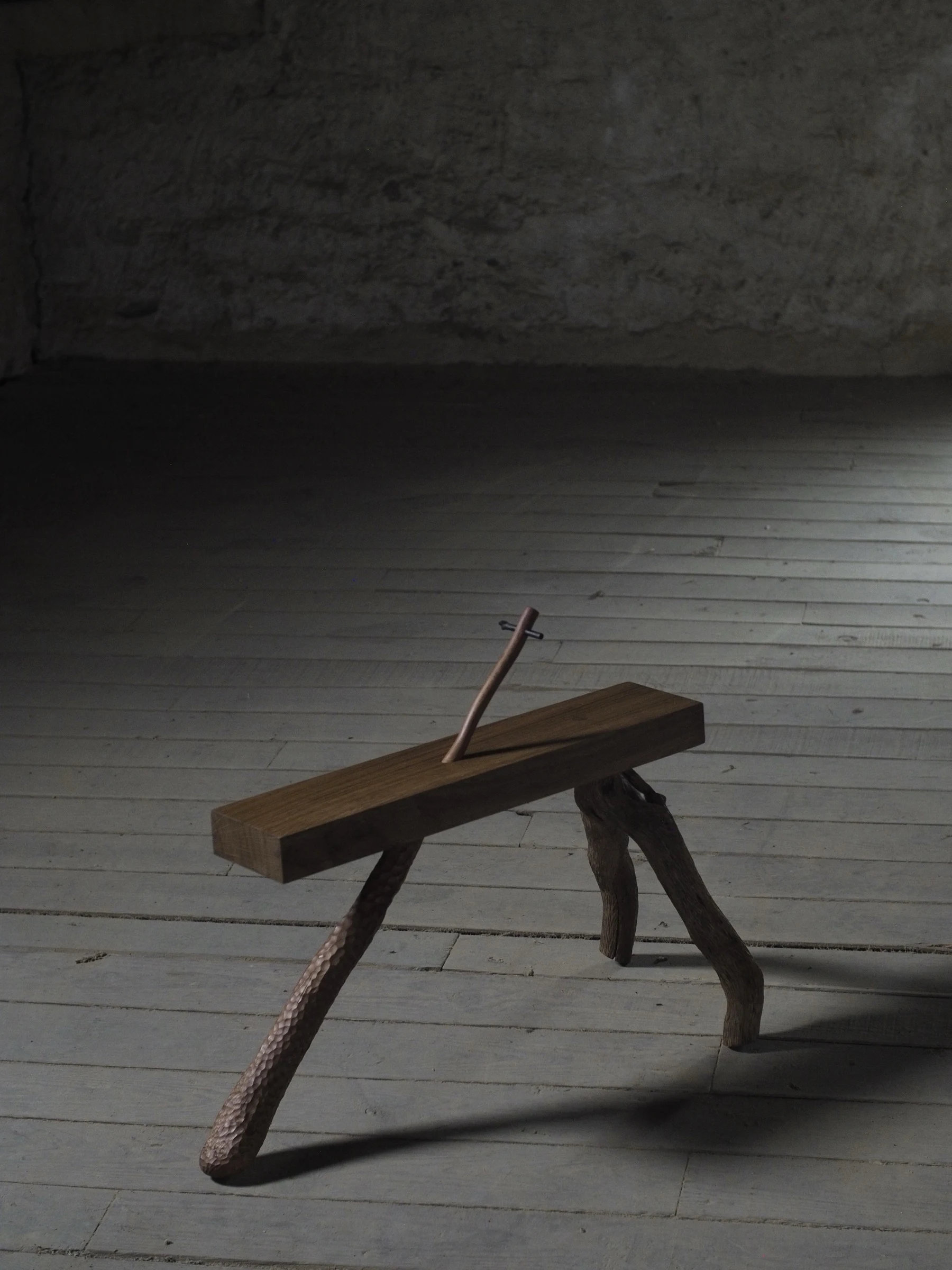
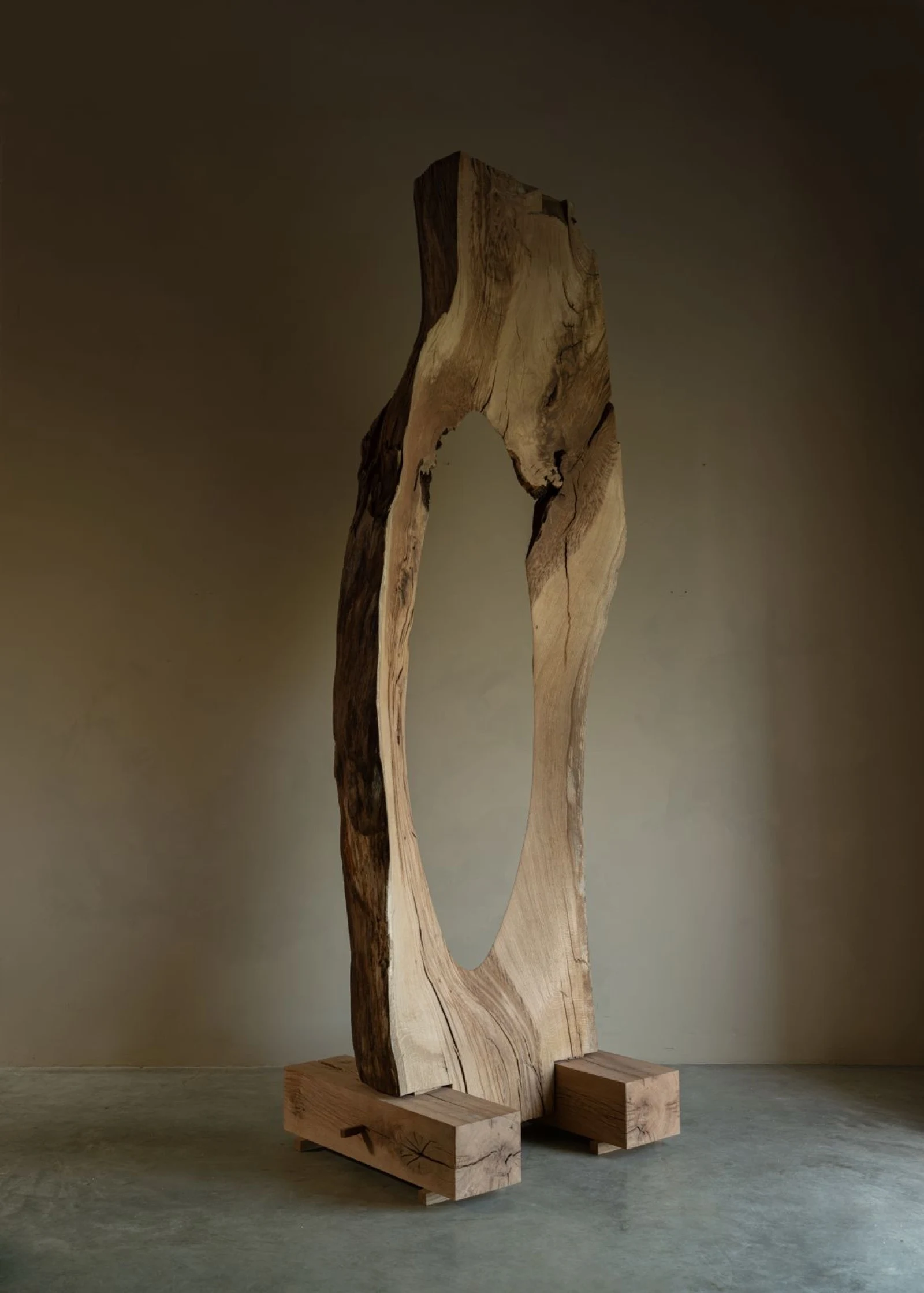
"It's very different from person to person. I love when I can see that someone is touched, or when someone writes to me about the feelings they had. In Copenhagen there was a moment that was very significant. There was a little kid who asked his mom if he could sit on one of my chairs. He sat down and started touching all the textures, completely hypnotized, for about half an hour. Just sitting there and loving it. When people asked me afterwards how it went, if I sold, if it was a success, I said: there was this little kid. To see people being touched by the work is always priceless.
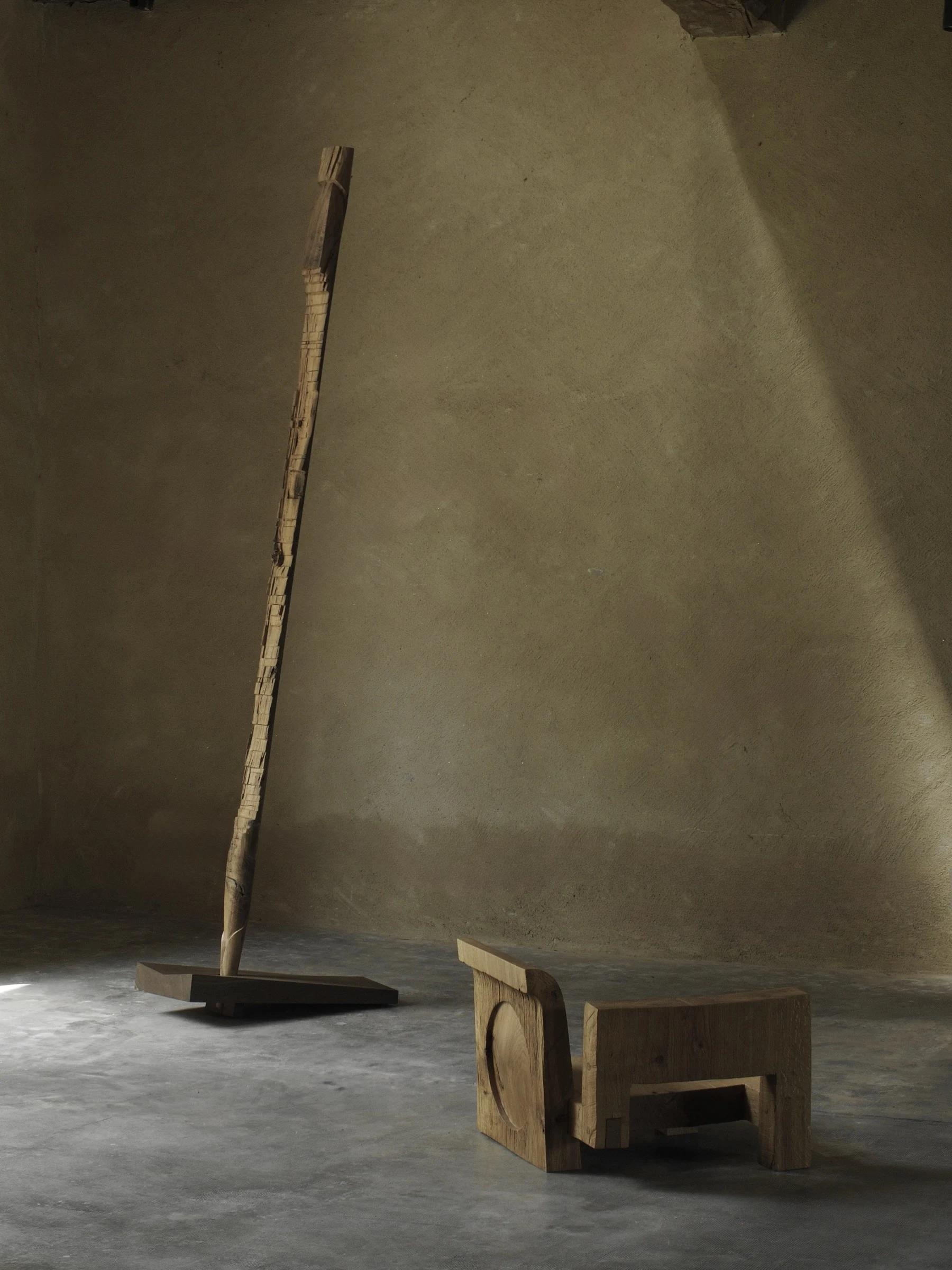
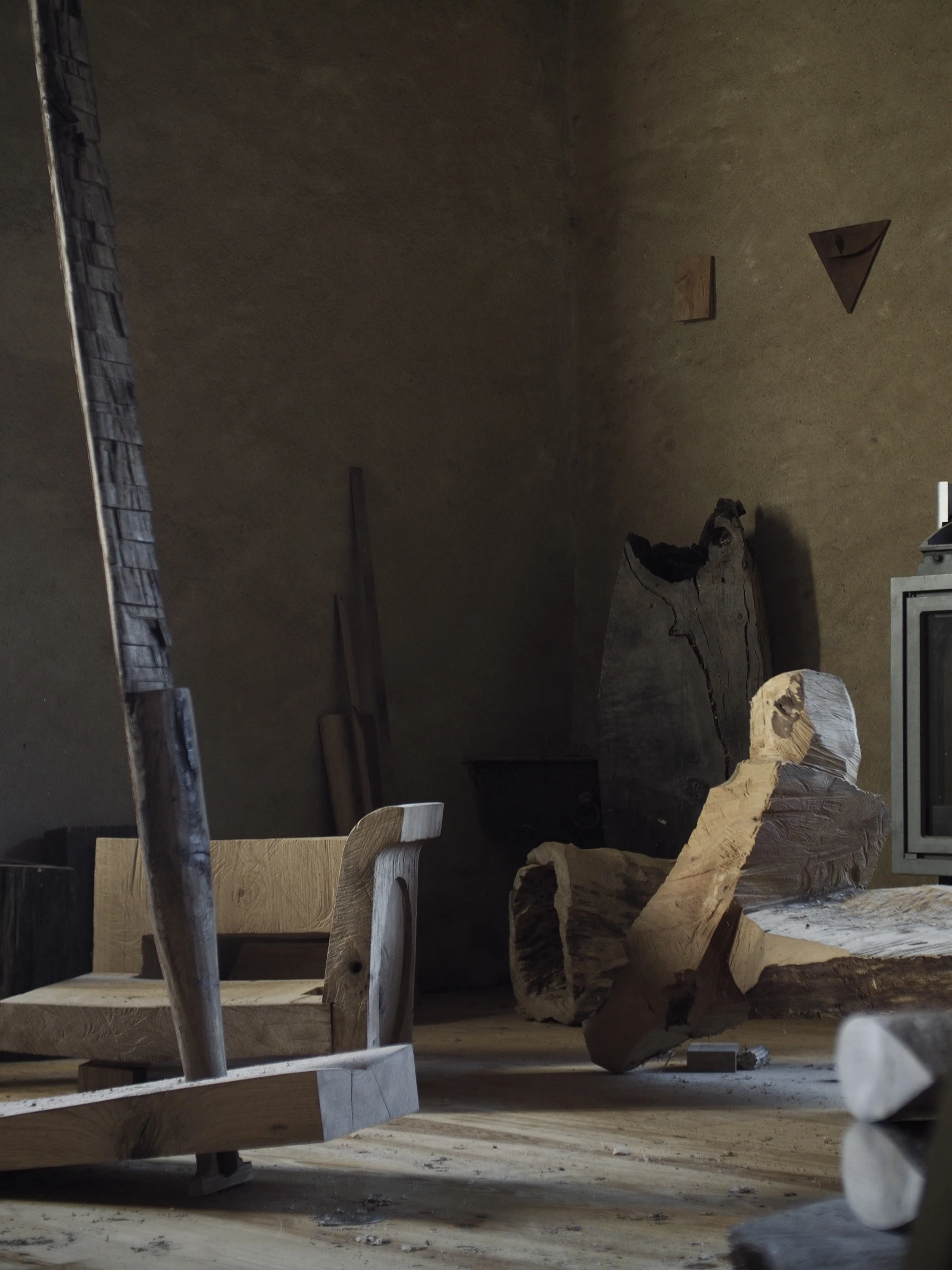
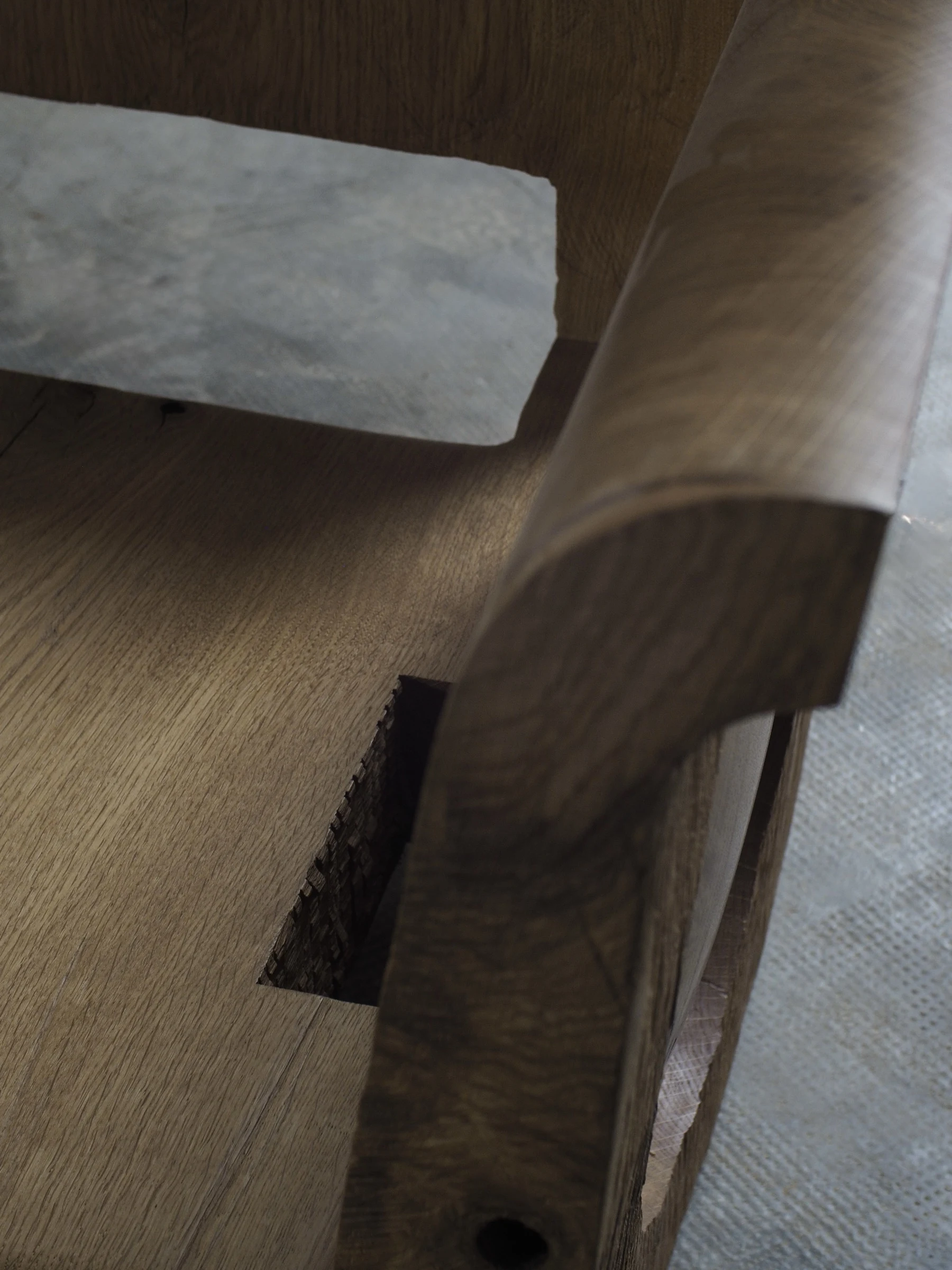
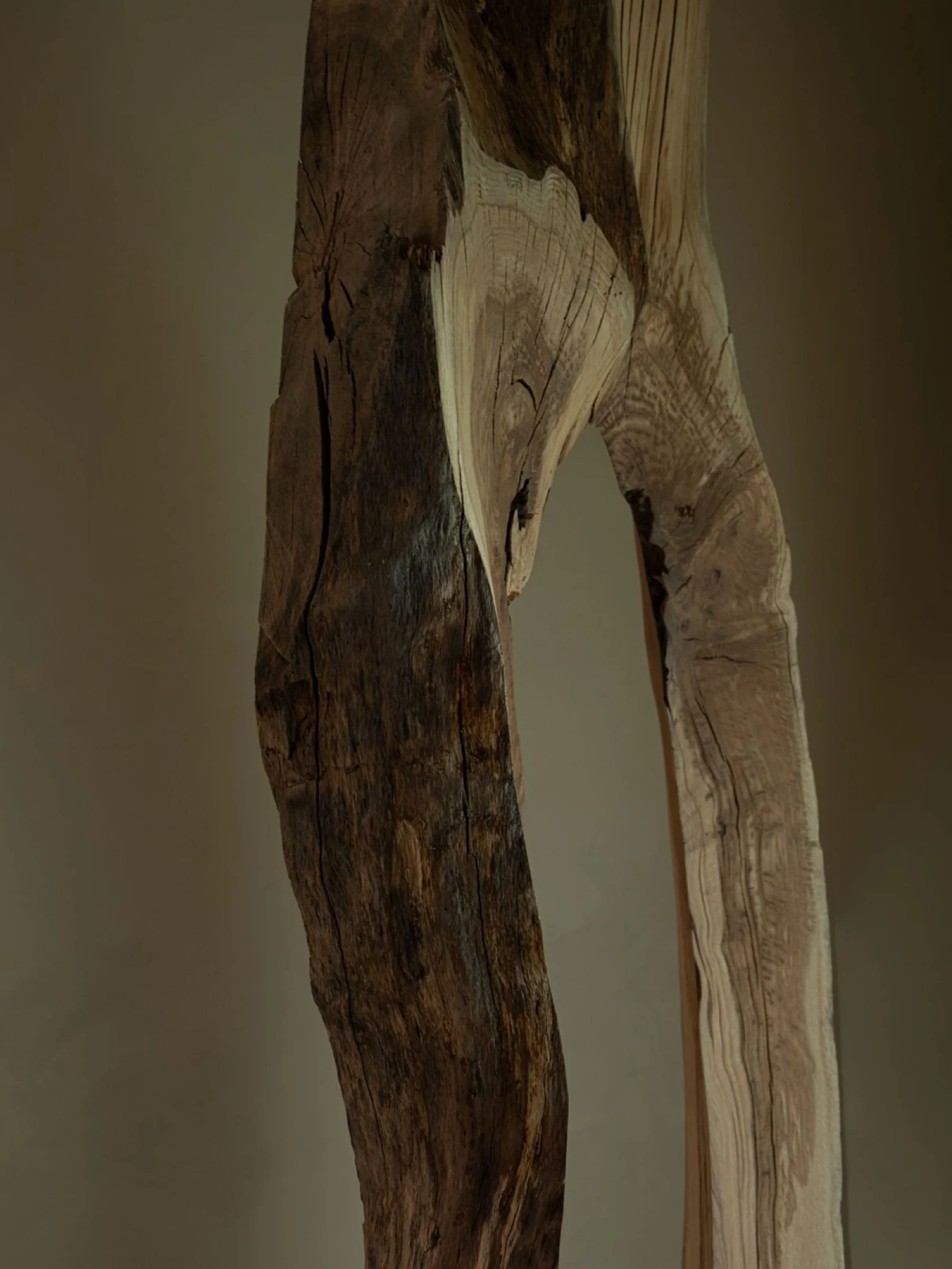
Sometimes they don't know why they are touched. They see the object and something happens, but they can't explain it. Then they listen to what I was feeling, what my intention was, and they start to understand. For me it's a similar process. I make the thing and I don't actually know what I am doing. This big stick came from an old wood beam that had been supporting the floor of my house for 300 years. When we took down the floor, I thought: this beam is full of nails and cracks, not perfect material. But I felt I needed to use it. It had been lying down for 300 years, so I thought I just elevated it again. I left all the nails in, polished it slightly. The first time I put it up at the exhibition I stepped back and thought: wait, did I make this? I could see it from a distance and just enjoy it."
How did you start? What was your first approach to the material?
"As a little kid I was dyslexic. I couldn't read or write very well, and people thought I wasn't smart. I was bad in school. But then I picked up a pencil and started drawing, and people were surprised. So I kept drawing because I liked the appreciation.
Finally I felt like I was worth something. I always wanted to become an artist, but in the German school system I couldn't finish the highest degree, which meant I couldn't study. A private school accepted me for graphic design. But I couldn't afford to continue, so I stopped completely. I broke everything, burned everything. I gave up on the dream.
I didn't make art for fifteen, eighteen years. I dedicated my life to wakeboarding. I worked for a manufacturer of cable parks and traveled everywhere: Australia, New Zealand, America, Canada, the Philippines. For ten years I was a kind of gypsy. At some point the voice got louder and louder. I hit a wall. I moved back to Hamburg, and I discovered something that surprised me: I had actually hated the process of drawing and painting. It was constant judgment, never good enough. I thought it was my obligation because of the talent I had. But it wasn't mine. So I decided I was done. And that's when everything opened.
I found a wood carver on Instagram making beautiful abstract shapes. I thought: I want to try that. I called a carver near where I was living, she explained everything, and on the same day I bought some tools, and some wood and started carving in my kitchen. I still have a picture of my hands covered in cuts, the table completely destroyed. And I was so happy. Because I finally loved the process. I realized that 2D thinking is very difficult for me, but 3D comes naturally. You put something in one corner and it feels completely different in another corner. The morning light hits it and everything changes. I fell in love."
Does meditation help you understand where your work wants to go?
"It's essential. If I don't do this, I cannot calm down enough to understand what is me and what isn't. My mind is constantly going, like a cloud. I need to clear it, at least a little. My mind is always running, with shapes, with projects, with how to connect things. And I really do have the feeling that I manifest. I believe that you need to send out what you want, but with true intentions. If the intention is just to earn money or reach a certain status, it won't happen. But if you are clear and genuine about what you want, it will. I'm sure of it. I see it happening now. What I was dreaming of when I started in the kitchen, I felt it so strongly. And now it is happening."
What does a typical day look like for you?
"I like to start very early in the morning when everything is still quiet. That's when I find time for intuitive movement and meditation, to connect with myself and express gratitude. A certain level of routine is necessary to stay calm in this otherwise very exciting and unpredictable lifestyle. I always make breakfast first, as a small ritual, then dedicate the morning to the more practical things. In the afternoons you'll almost always find me in the atelier. In the evening I try to go for a run to help transition from work to rest."
What do you do when you get stuck on a piece?
"I put it to the side and work on something else, until its moment arrives. Because I believe every piece has its moment to be."
What excites you most about your work right now?
"It's actually quite simple. I am so excited to be able to do what I do and share it. It feels a little surreal, very natural and just wonderful, all at the same time."
What would you tell the person you were when you started?
"Thank you."
Photography credits: Joerg Koziol.
Repose Archive is a creative direction journal documenting processes and projects across art, design, architecture, and hospitality.