Art
Charlotte Bovy:
Architecture, photography and other things
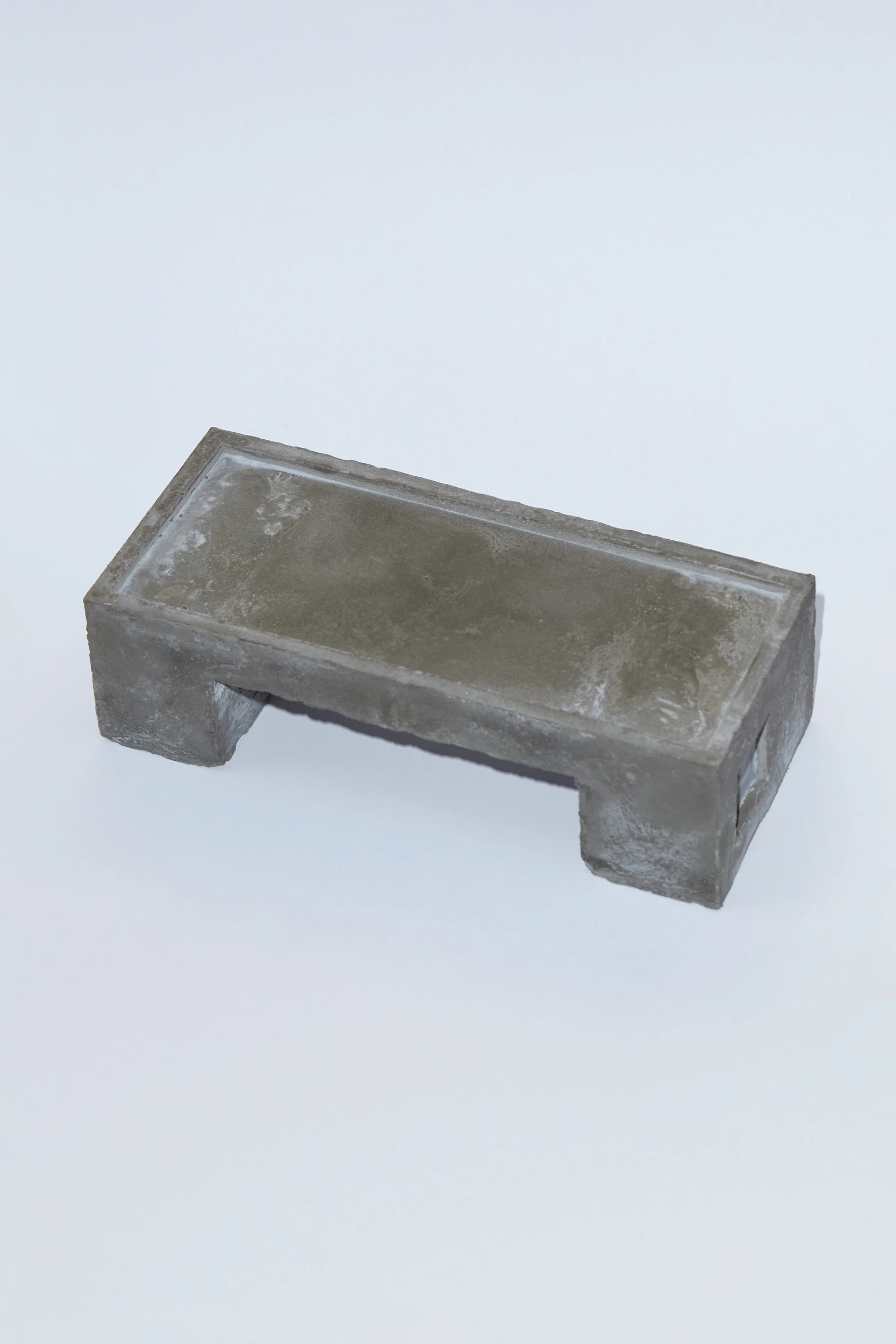
Charlotte Bovy is a French architect based in Buenos Aires, working across architecture, photography, objects, plastic arts, and research into the history and theory of architecture.
How would you describe what you do?
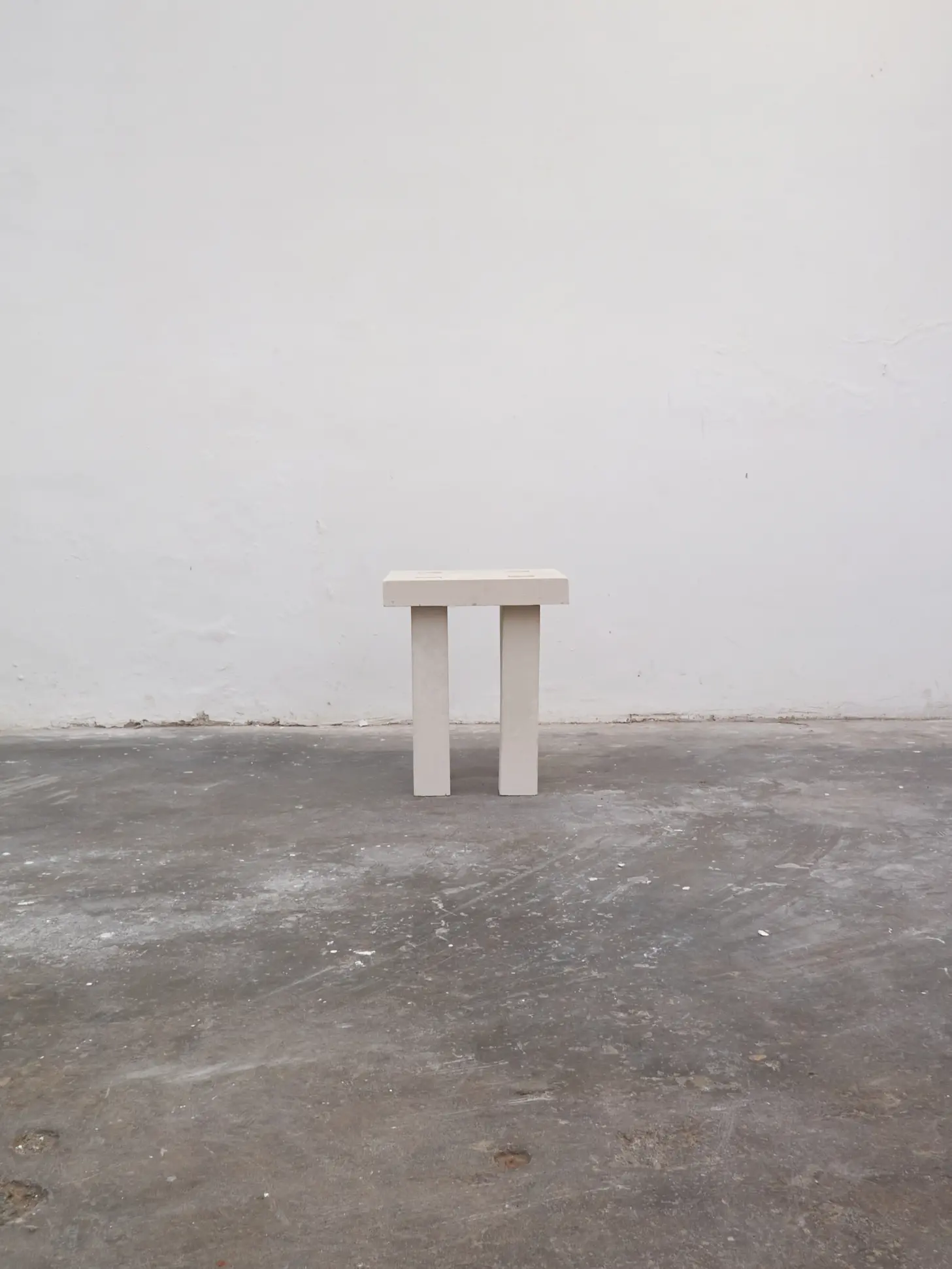
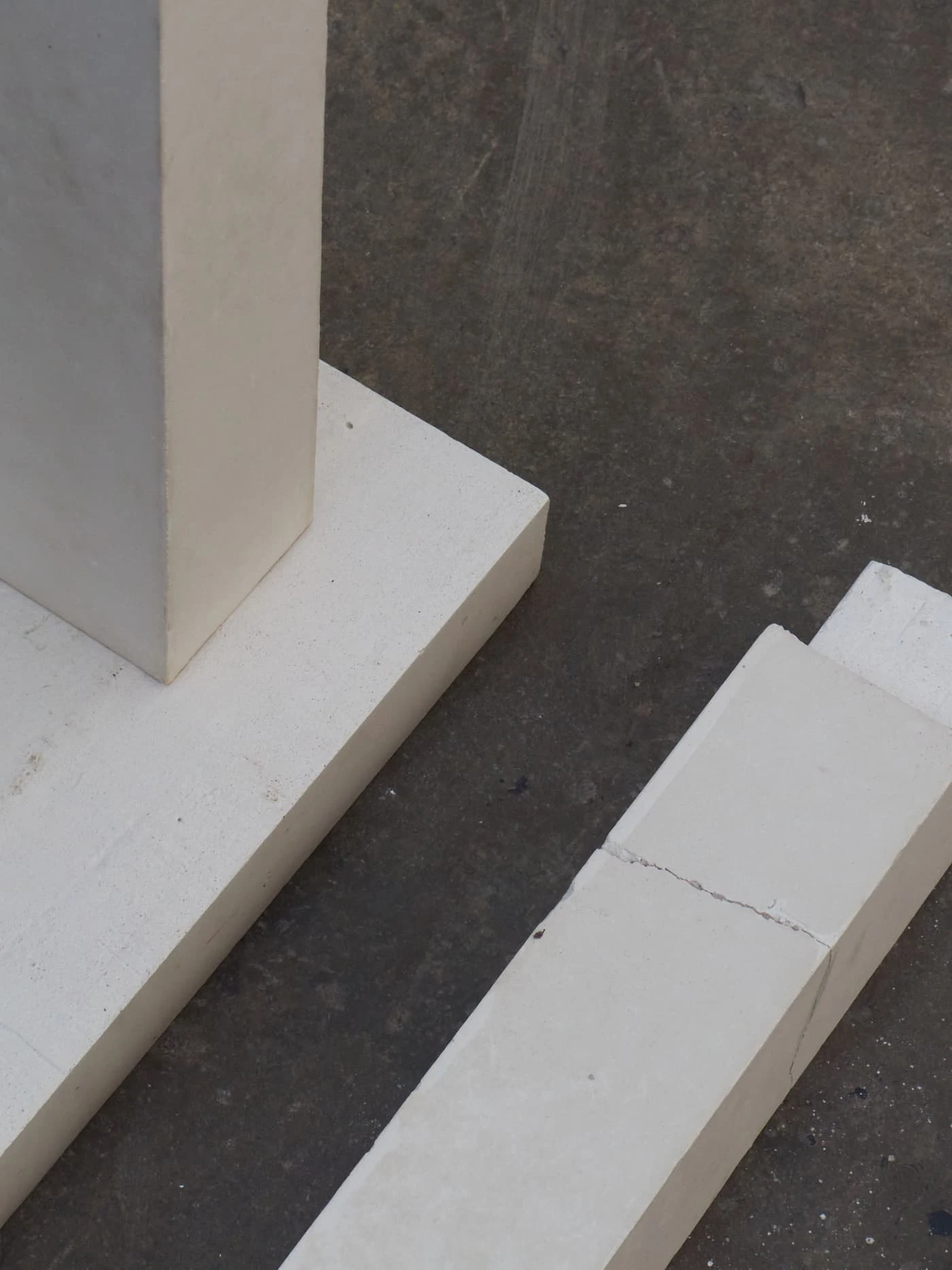
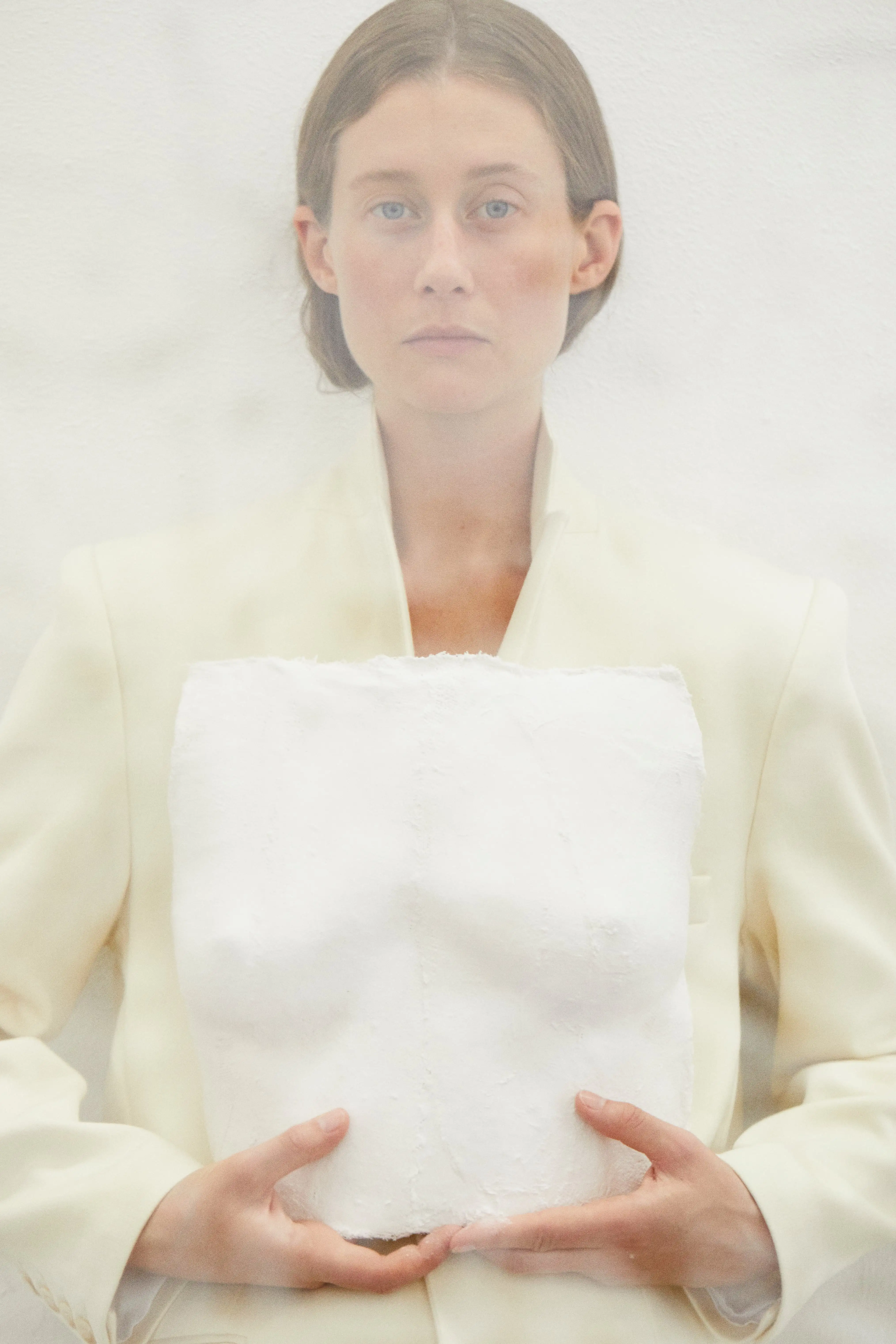
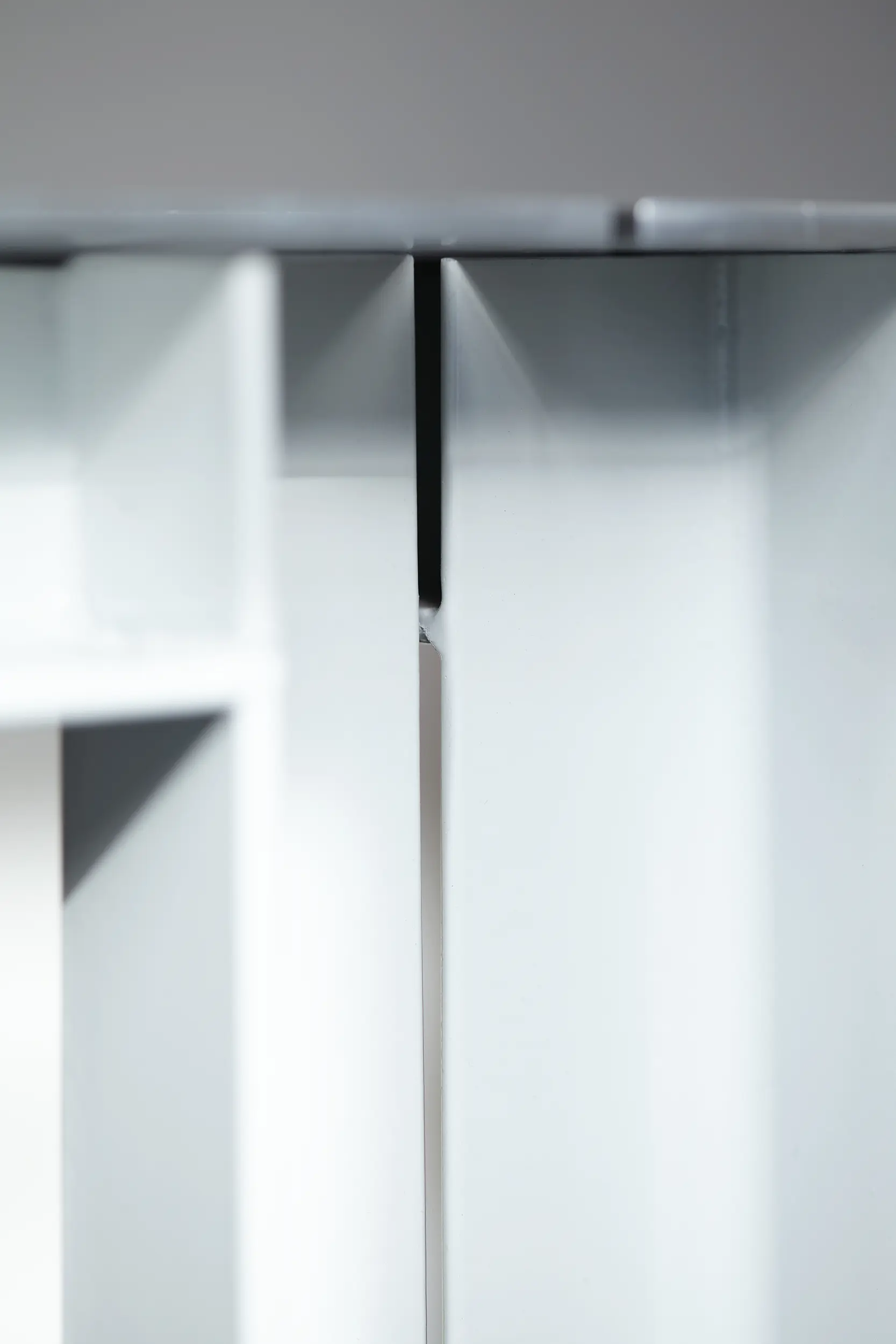
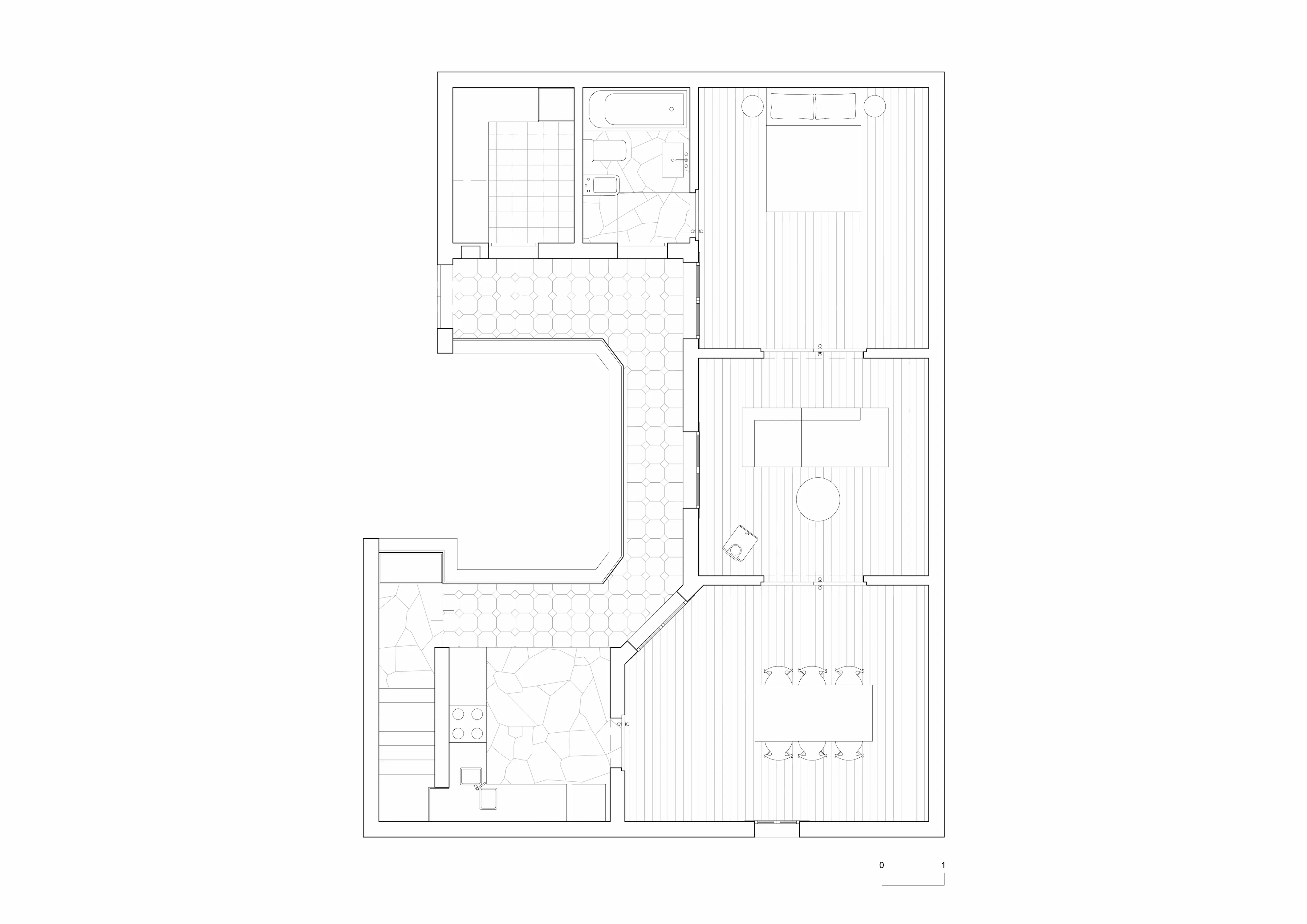
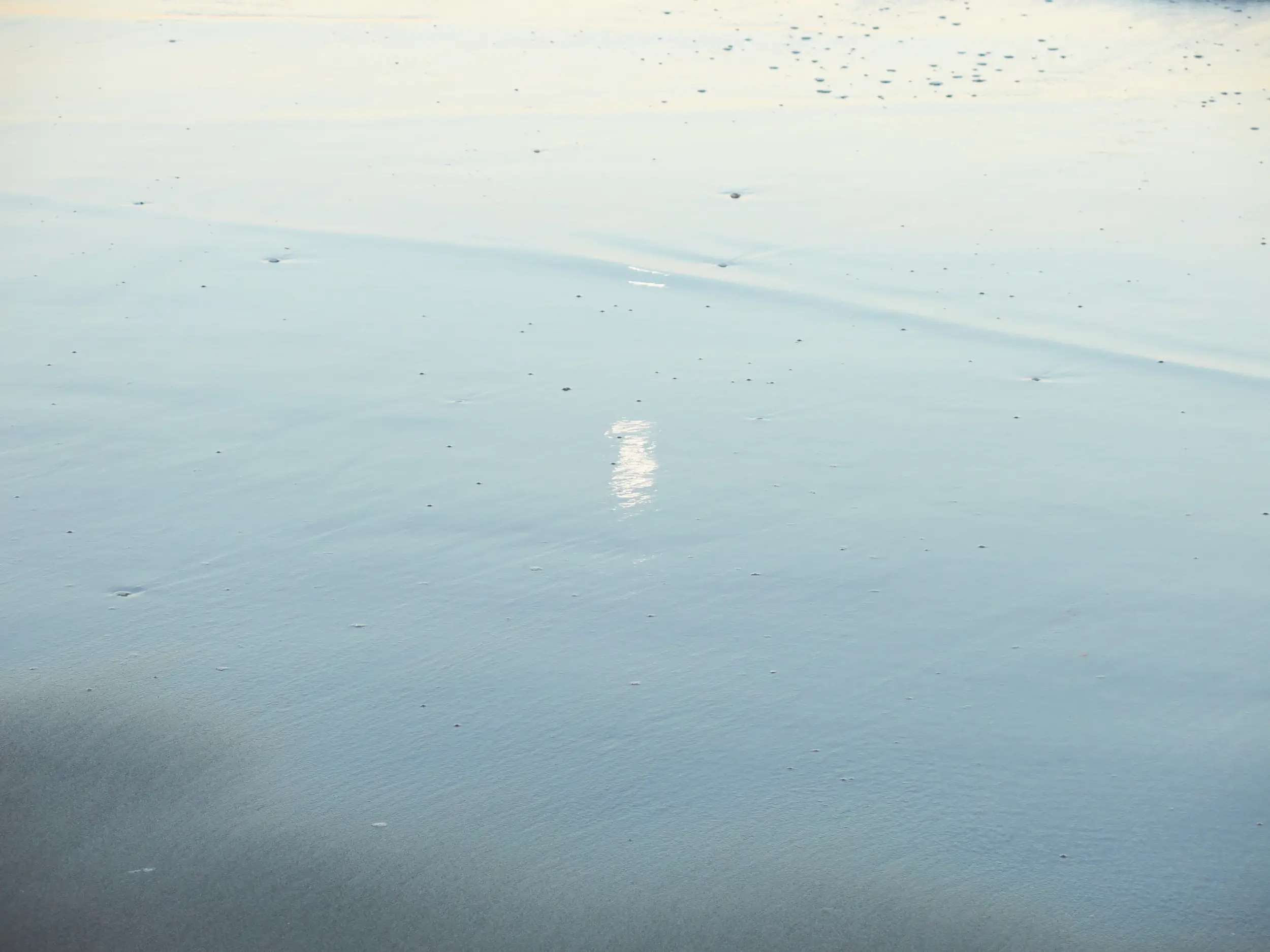
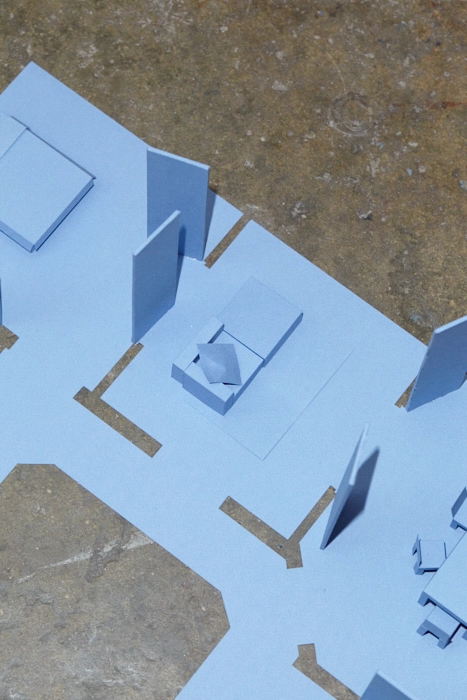
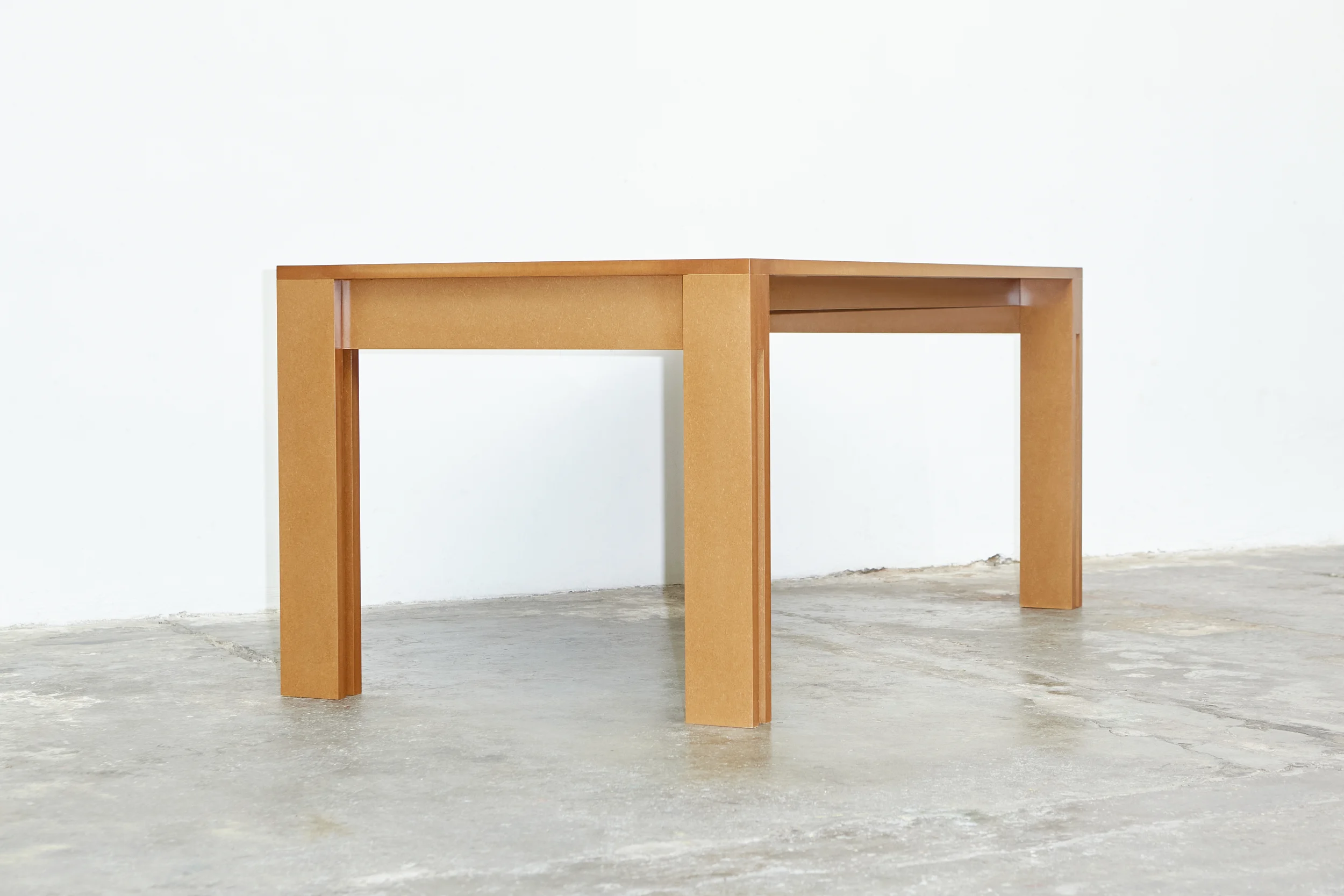
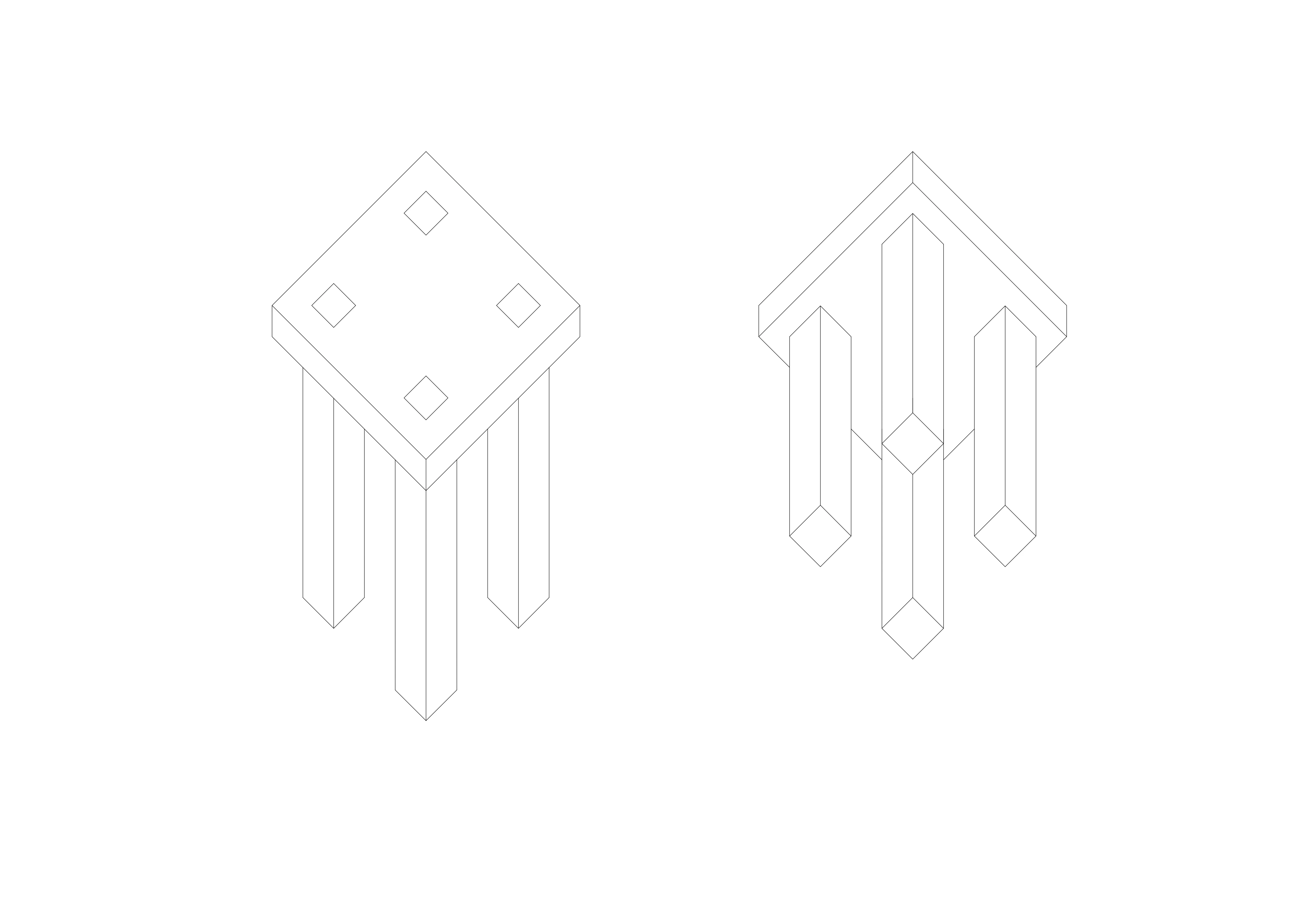
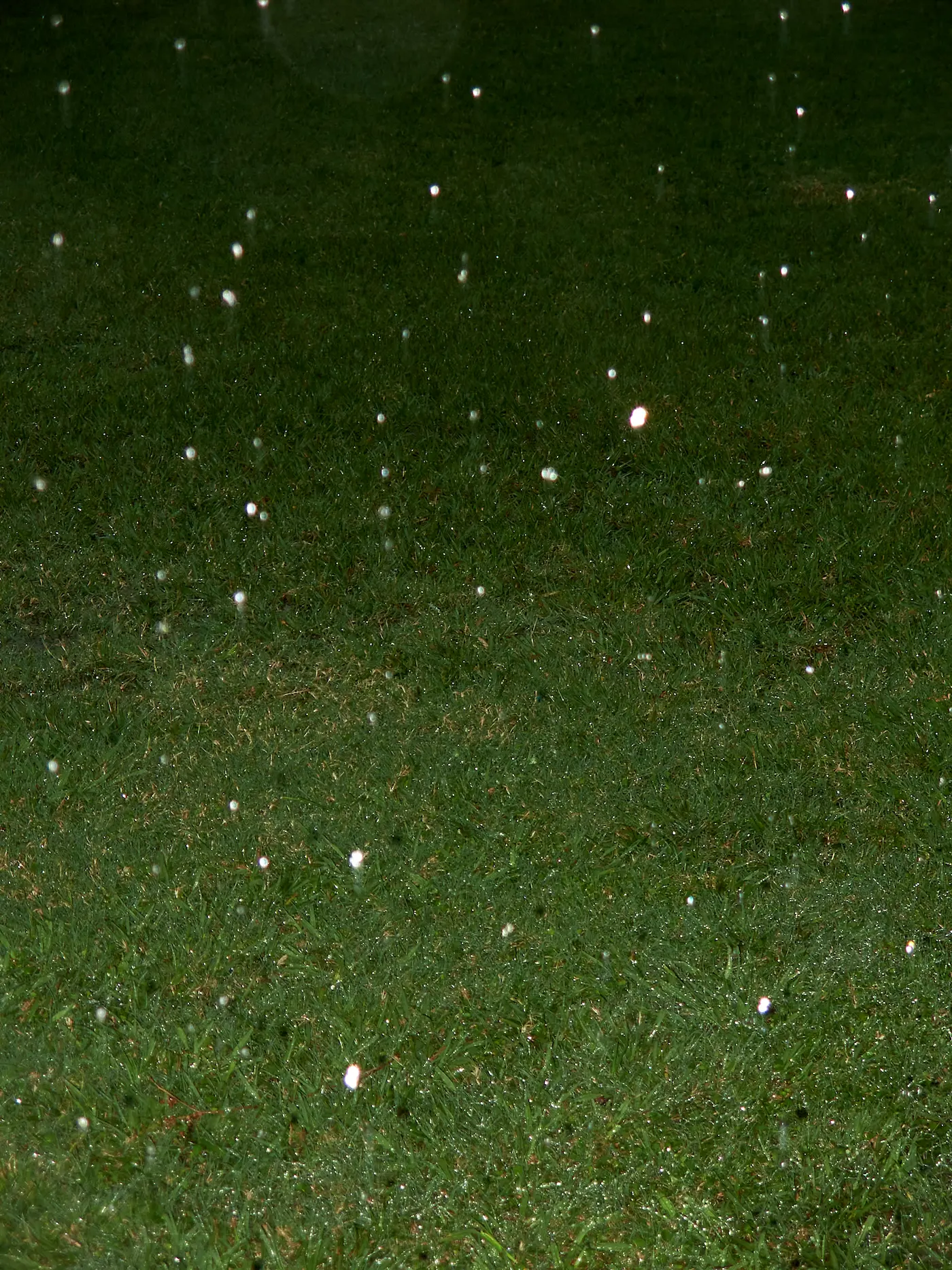
There's something erratic, not very coherent, about what I do, and for a long time, that heterogeneity led me to invalidate my own practice as inconsistent: a bit of everything, and not much of anything. But I'm at a point now where I'm starting to recognize something familiar in that heterogeneity. Working across different physical and narrative scales lets me deal with the sense of strangeness that comes up when I think about, and with, reality. In my practice, design responds more to an introspective process, a fascination with the interplay of forms, materialities, and systems of organization that are at once abstract and concrete. That intensifies when I take photographs. Photography is where I find the greatest degree of freedom.
What led you to start showing your work?
After many years of not talking about my work, I finally took the step this year. It was a strange moment of real change, it all coincided with submitting my master's thesis. A moment of liberation, after two years of hard work, where I found the confidence to finally do something very simple: just show what I do. Until then I'd worked by recommendation; now the idea is to widen the horizon.
What difficulties did you face trying to make a living from architecture?
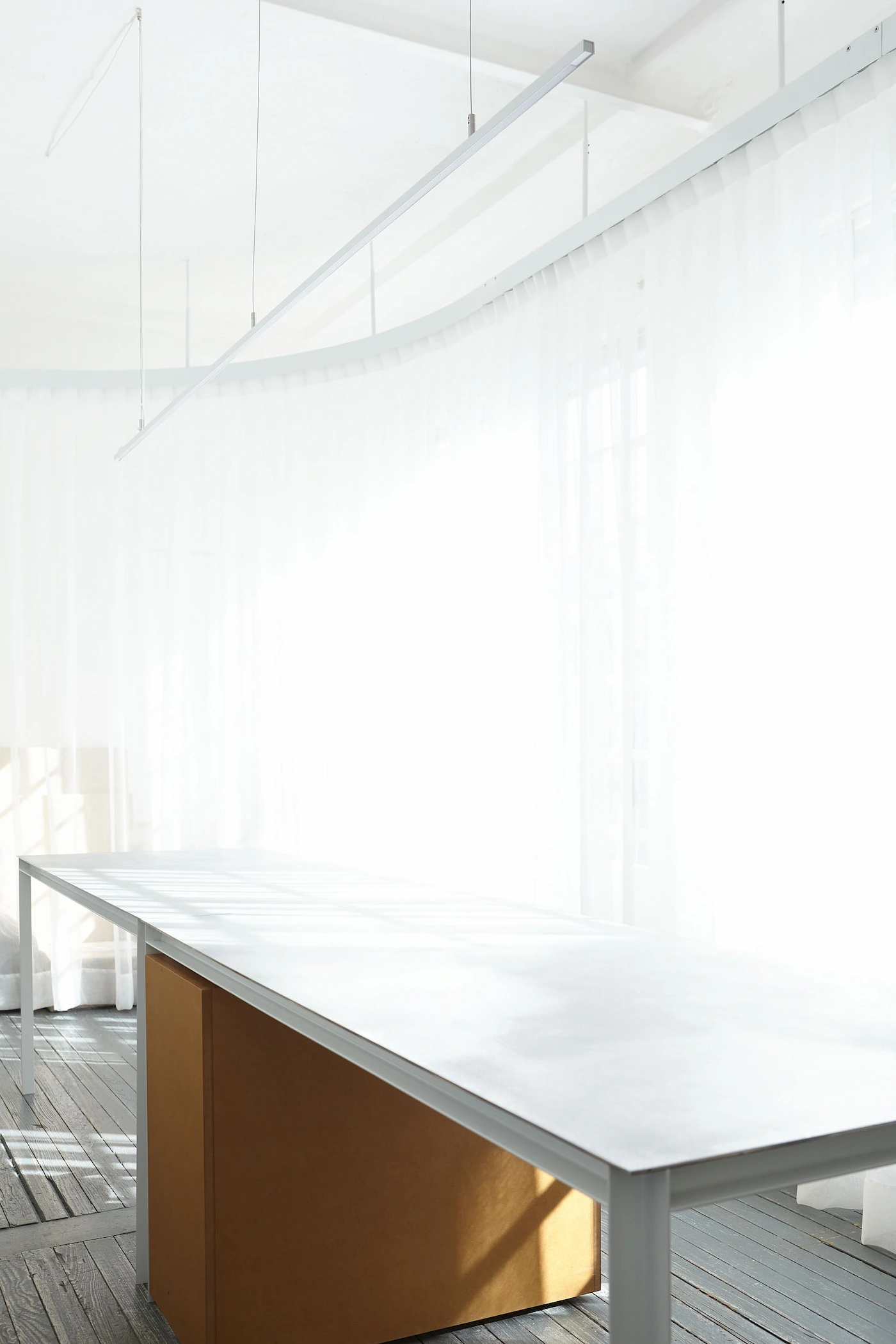
Making a living from architecture is a problem in itself. Without an already-established network, building your own practice isn't easy, even less so for an introverted person. That feeling of illegitimacy is heartbreaking. Because of this, I combine my personal work with collaborations with architecture studios, doing design, documentation, or site supervision. That lets me keep learning, gives me economic stability, and at the same time gives me a certain freedom to choose which projects I take on independently. Along those lines, I think of architecture as a collaborative discipline. Being able to partner with people who inspire you on a particular project, stepping outside the structure of a studio, is an opportunity that fits how I like to work, and I think it has more to do with the art world in general than with how architecture is usually practiced.
Is there a particular philosophy that inspires your work?
I tend to overthink everything, to the point that some things become impossible to actually realize. In photography I find total creative freedom, my process there is intuitive, and it opens up a sensitive, permanent relationship with the present. Roland Barthes' writing resonates strongly with me here, especially what he calls the punctum. Architecture sits in contrast to that, a practice full of restrictions, and a complexity I sometimes find overwhelming.
Where is your practice now?
The last two years were mostly taken up by academic reading, combining my work as an architect with the master's. Now that I've finished, I still haven't managed to rebuild any perceptible routine. I'm opening up possibilities across several fields — photography, for instance, going back to a critique group I'd left in the final months of the master's. This year I also started teaching more seriously, and alongside continuing to work as an architect, I'm putting together new leads for research projects. My intention from here on is to trust my intuition, even when I can't always find a coherent throughline in my practice, to trust the range of directions that present themselves, and follow whatever has the possibility of actually developing.
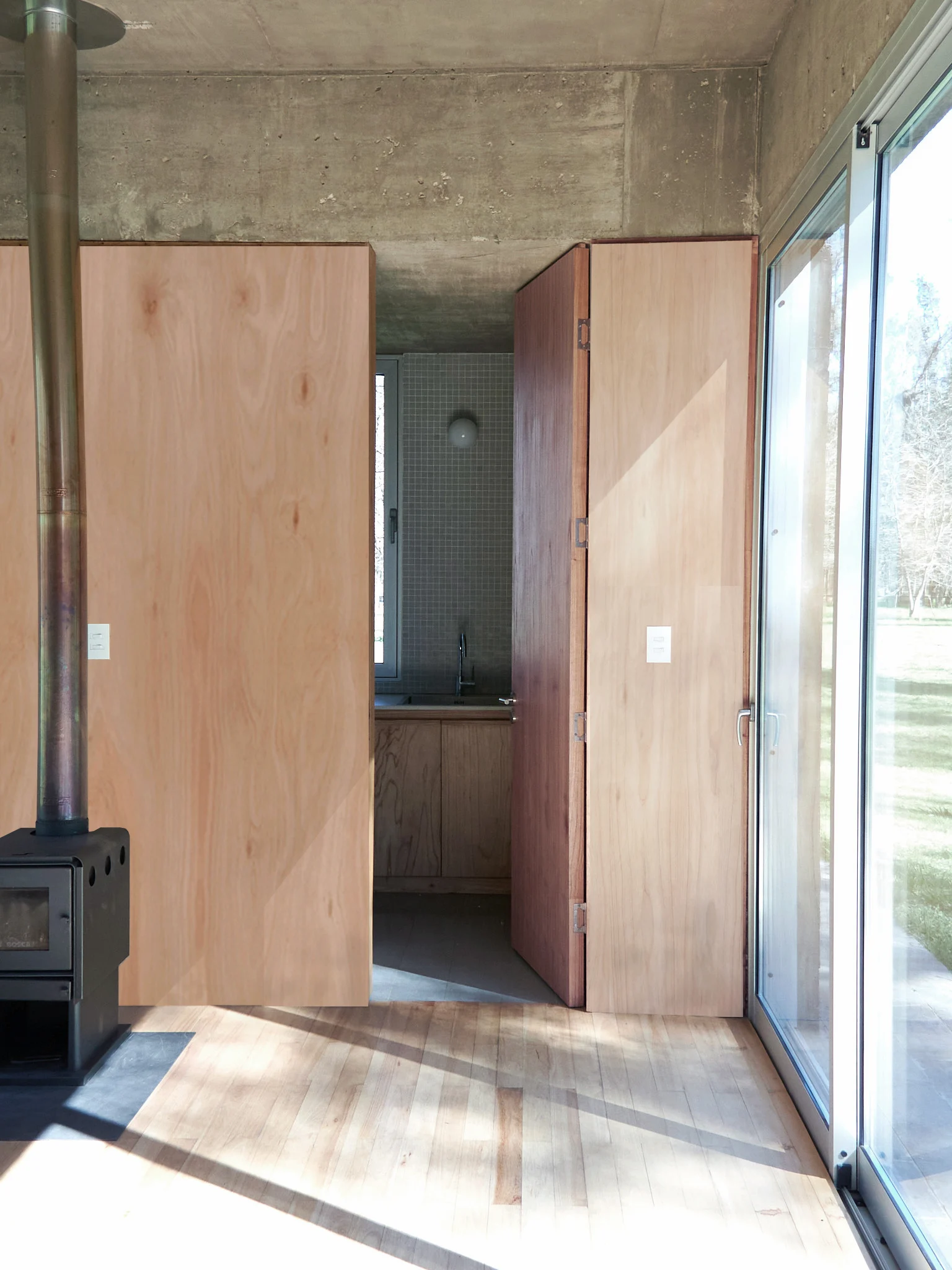
Carzoglio. Photography credit: Fernando Valente.
Repose Archive is a creative direction journal documenting processes and projects across art, design, architecture, and hospitality.