Camila Jordan
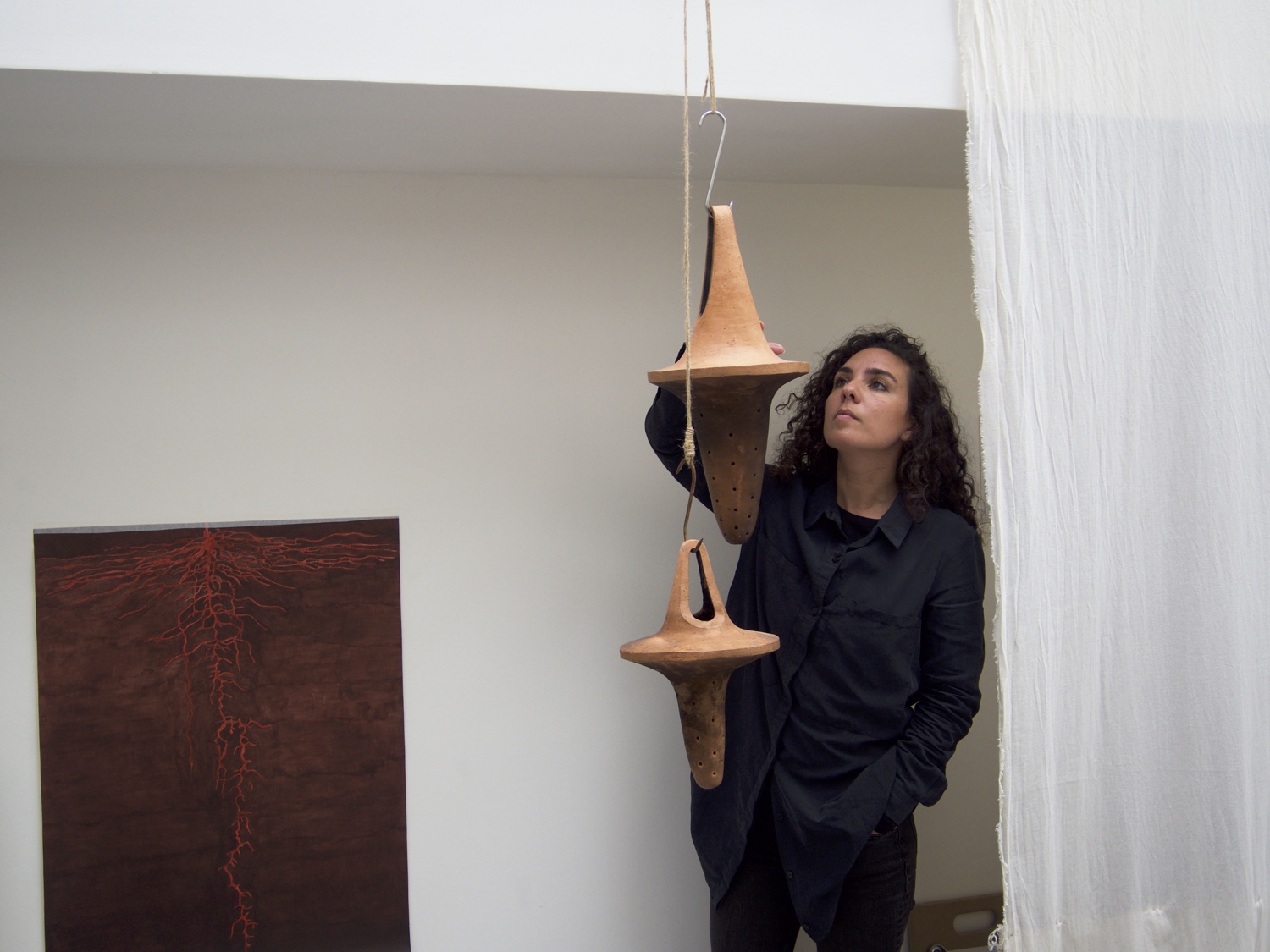
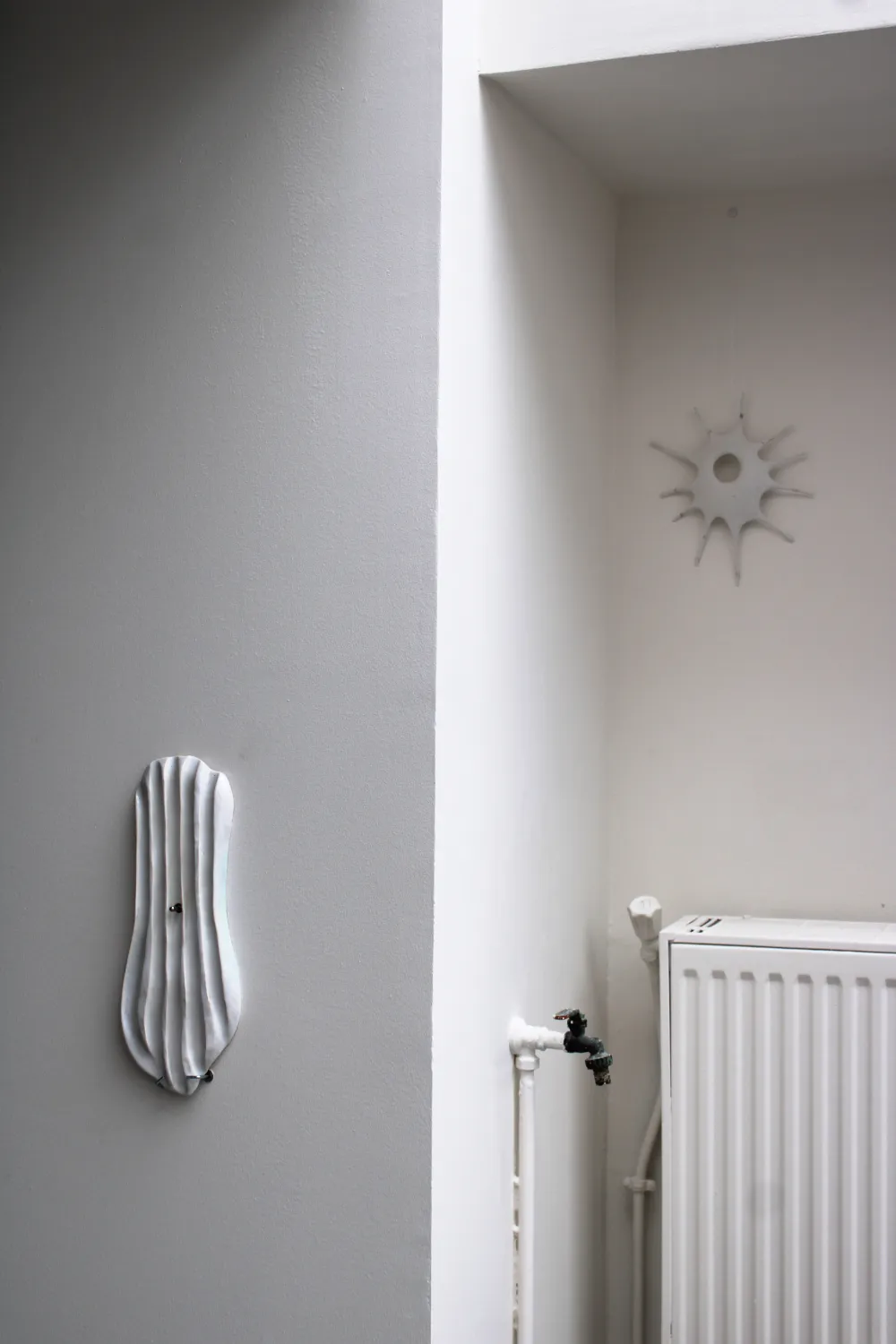
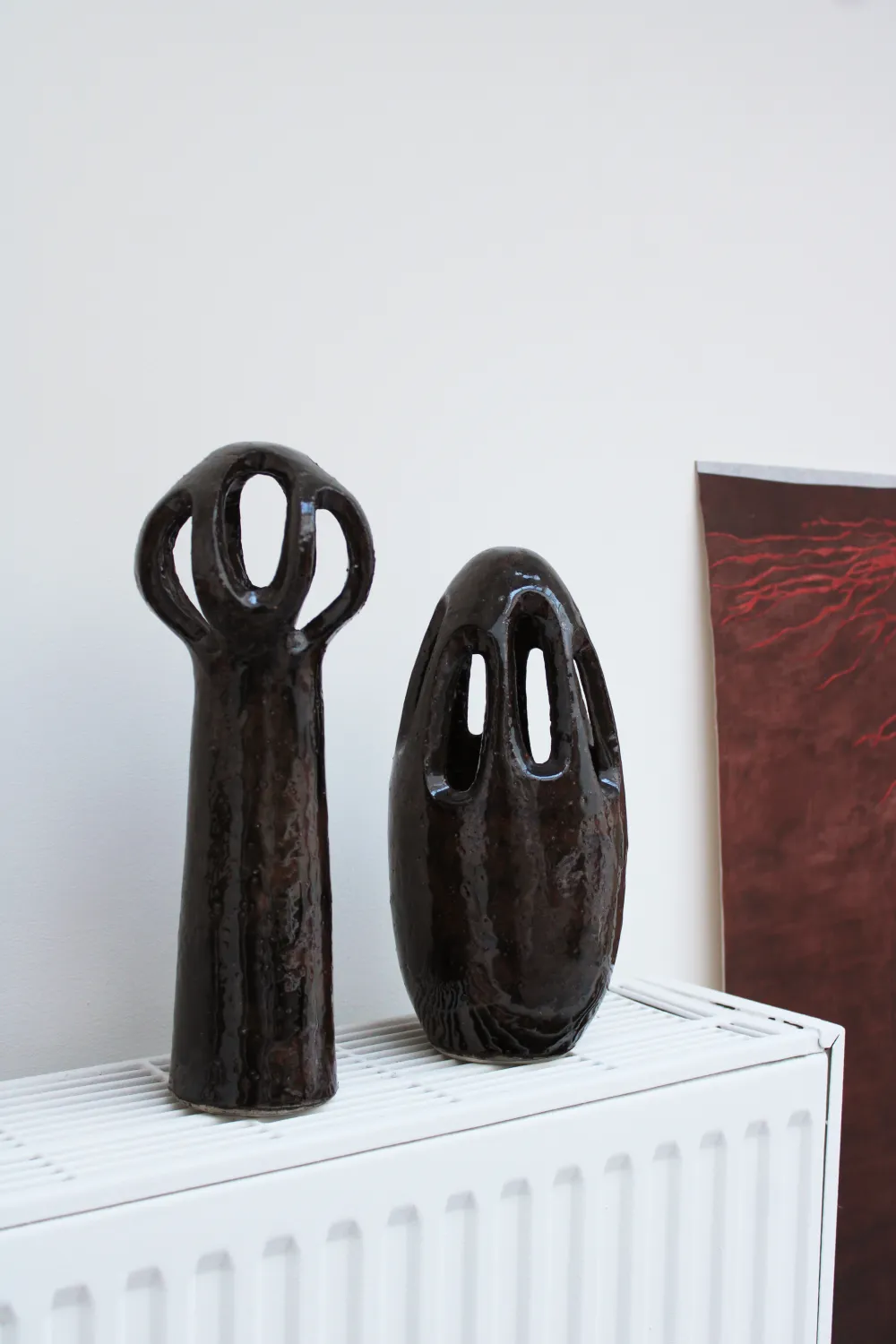
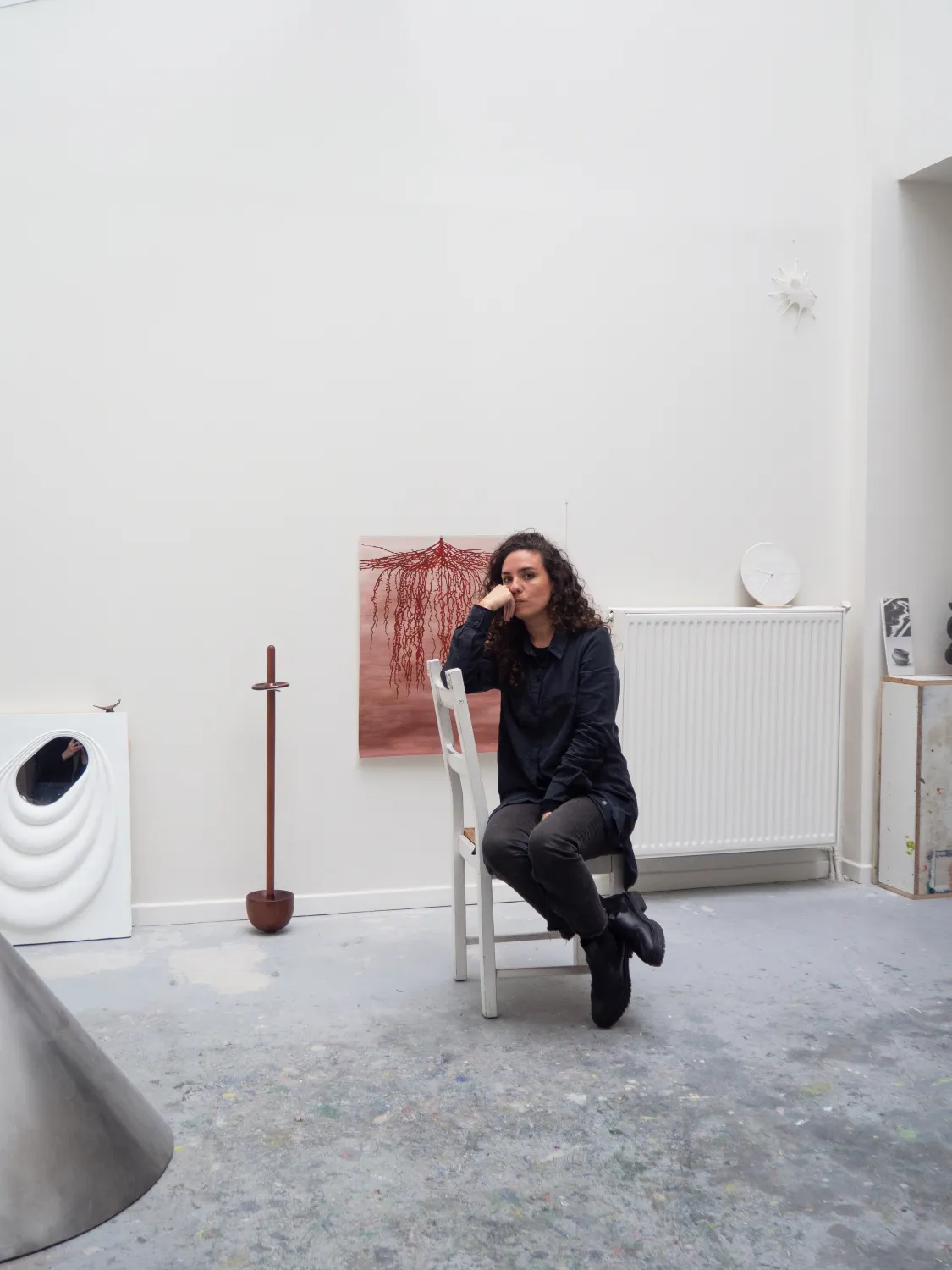
Camila Jordan is an artist, designer and sculptor, trained as an Industrial Designer in Buenos Aires. She moved to France, where she completed a Master's in Plastic Arts. Her work lives between art, design and sculpture.
How would you describe what you do?
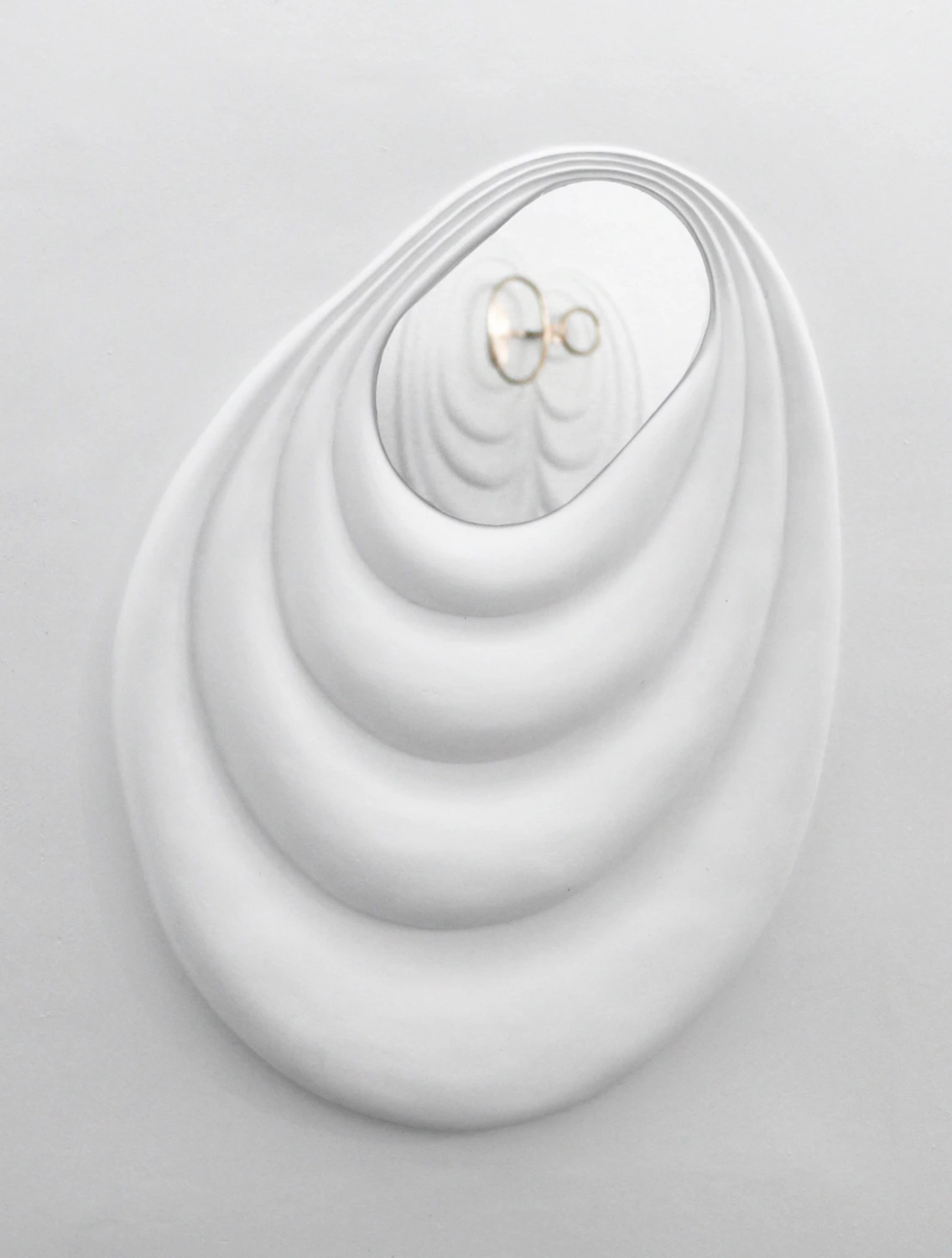
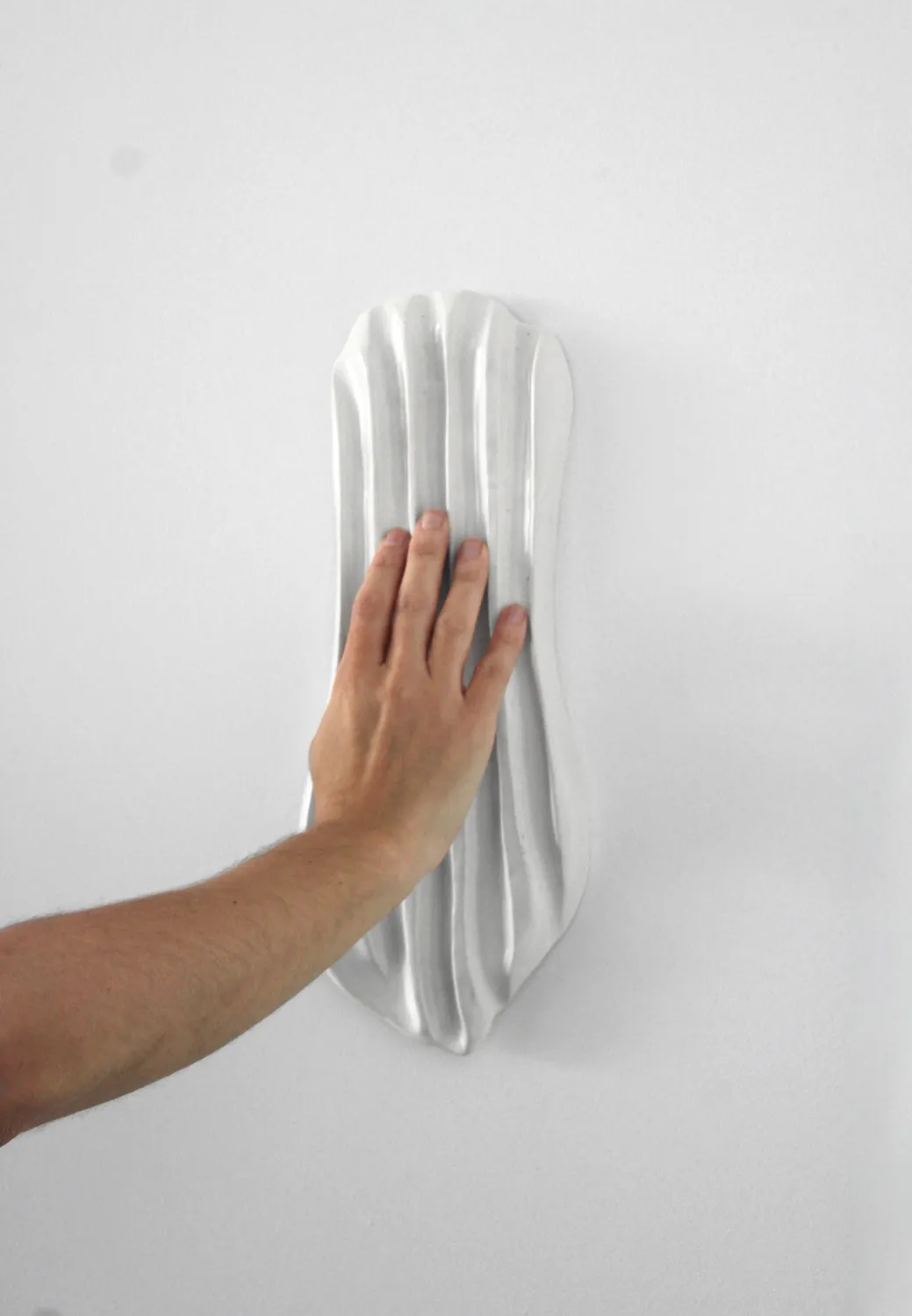
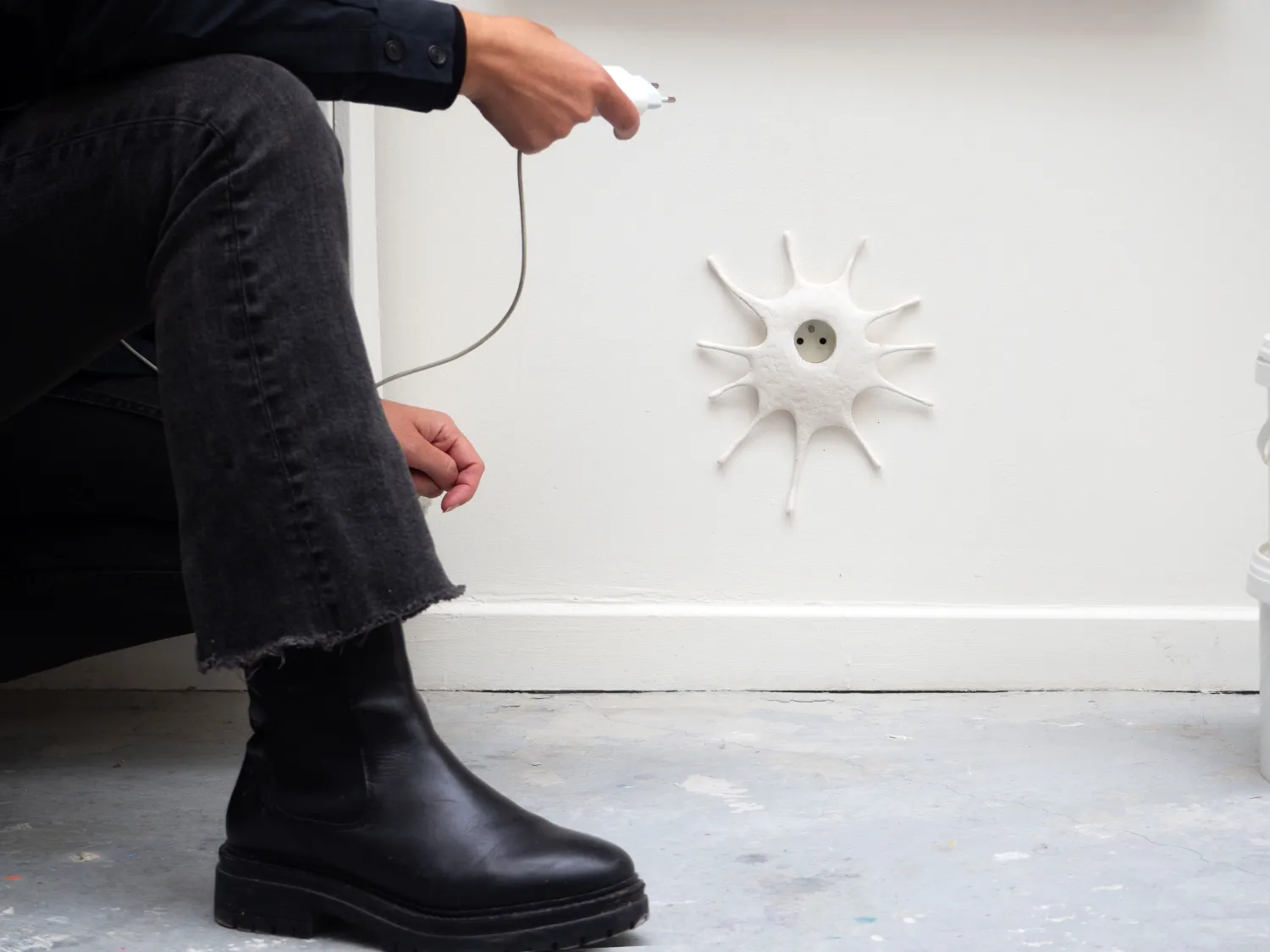
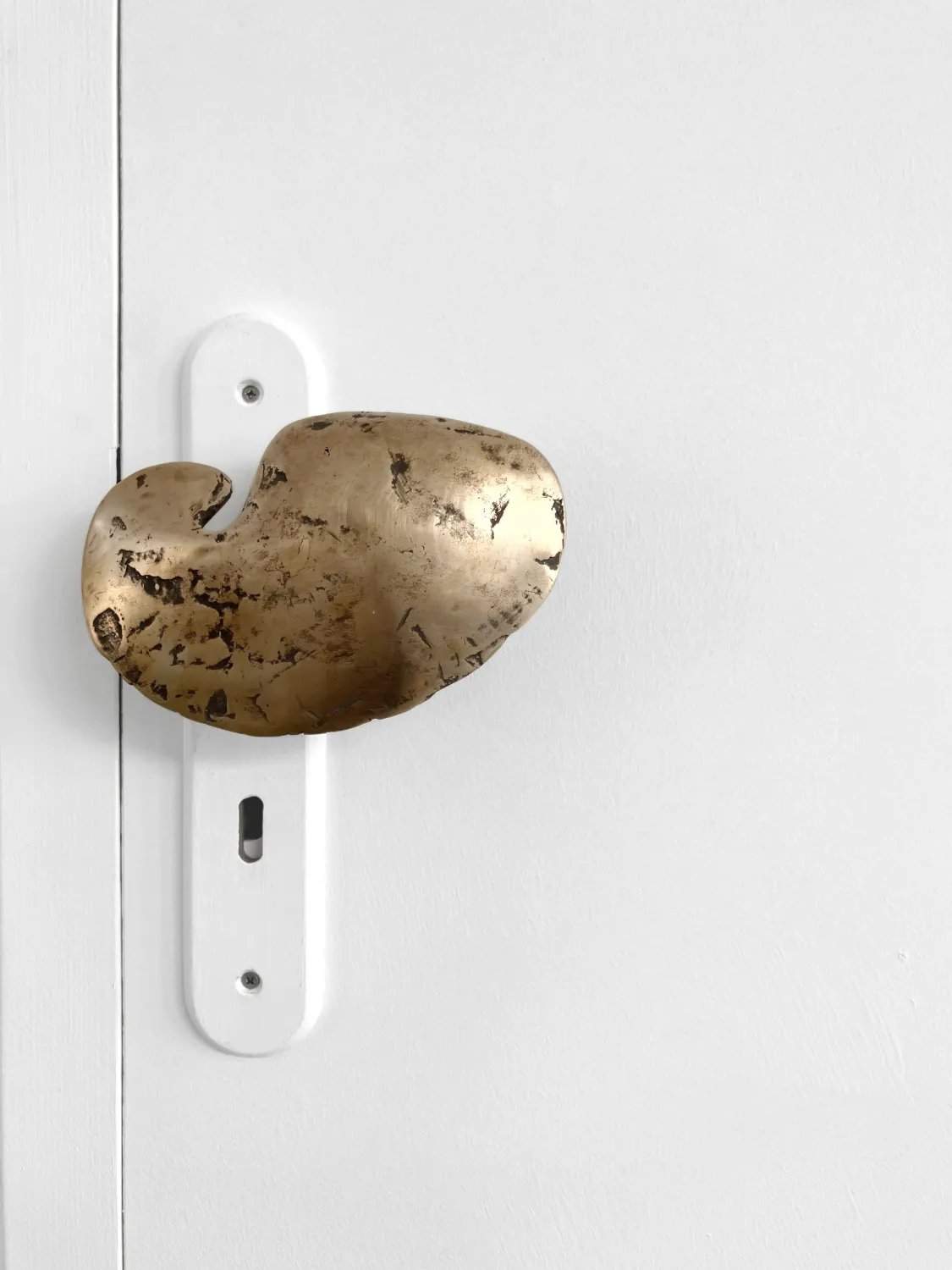
Somewhere between design and sculpture. I like navigating between those two poles and moving from a project that requires thinking about function to one where that is entirely absent. When I design, I do it to solve a problem or meet an external need. When I make sculpture, what sets me in motion comes from an internal need for expression. Many times those two worlds cross and result in hybrid pieces.
What led you to start this project?
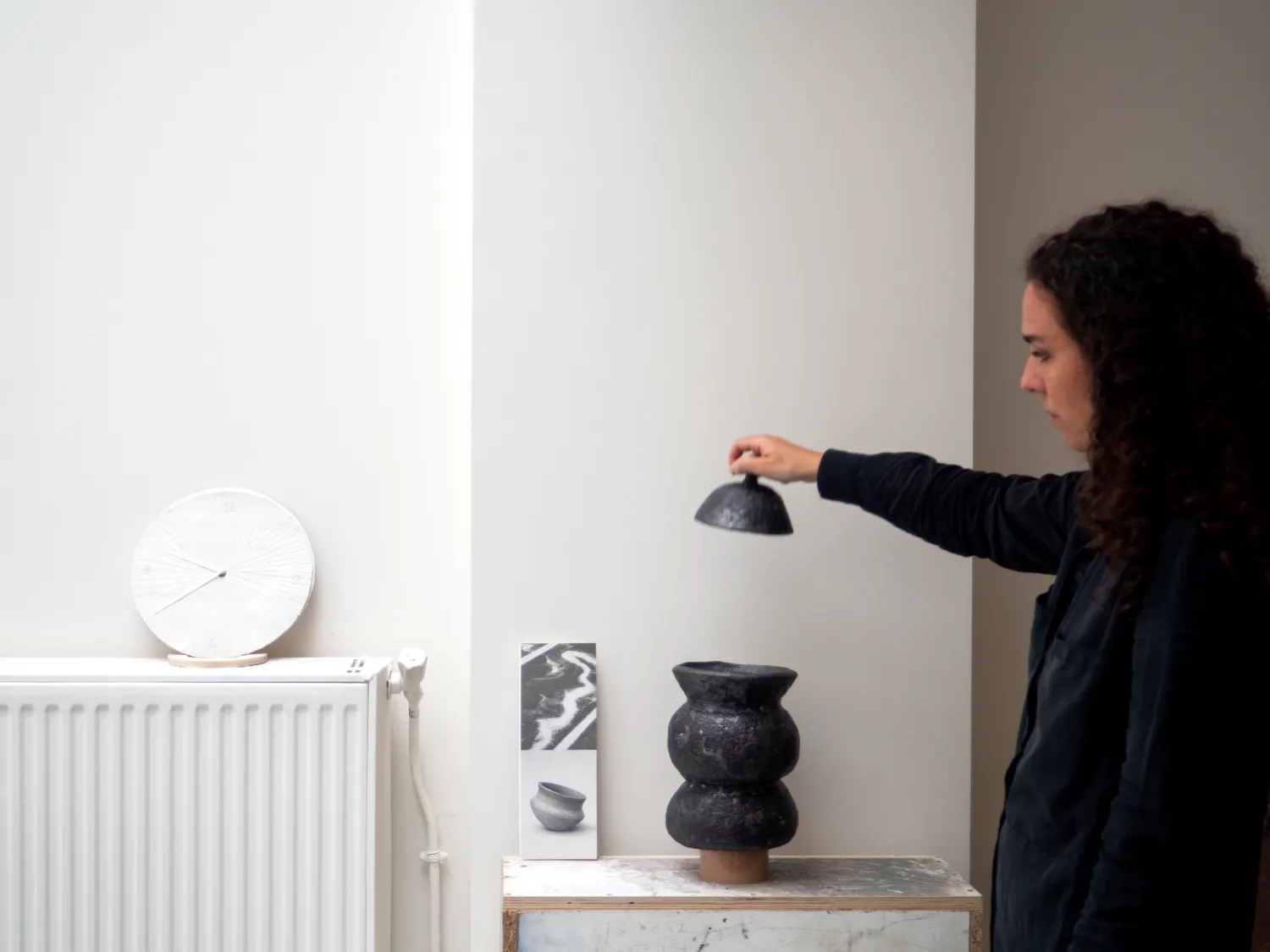
The experience of migrating and the need to rebuild a home. When I moved to France, I felt a longing to recreate what we call "home." My objects seek, through repetition, everyday gestures, and ritual, to restore a sense of belonging and familiarity with our immediate surroundings. I like to call it A Home within a House.
How did this concept come about?
I think it was more the unfolding and accumulation of experiences I had along the way. In Argentina I trained as an industrial designer, and in France I did a master's in plastic arts specializing in geo-materials, with a strong focus on material experimentation. When I arrived in France, all my interest shifted toward the art world, and at the same time I started feeling the need to work with my hands to make my own pieces.
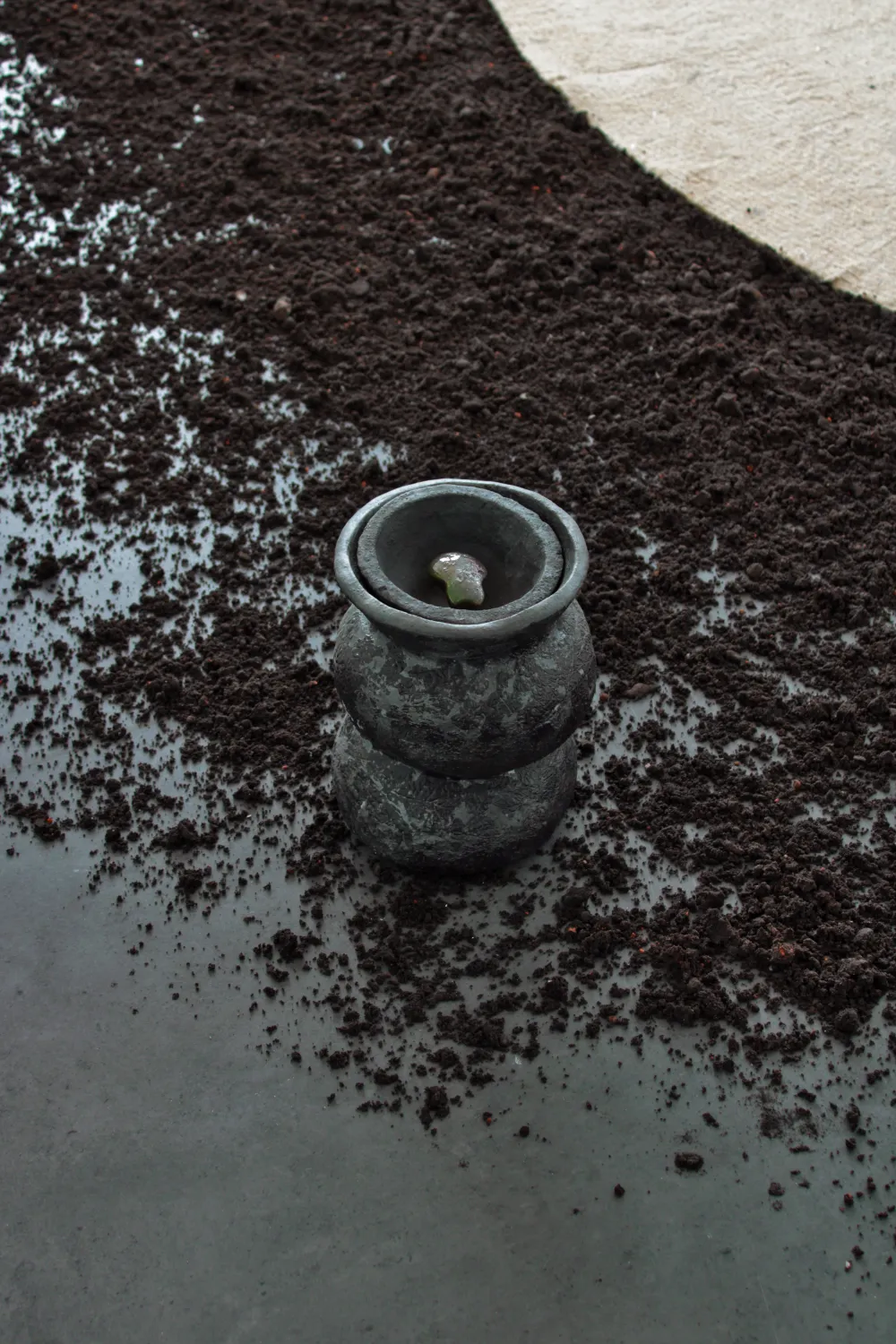
The first thing I did during the pandemic was buy large blocks of clay and start making. From pure intuition. I needed to detach from everything I already knew and begin from a place of expression.
Is there a material you identify with?
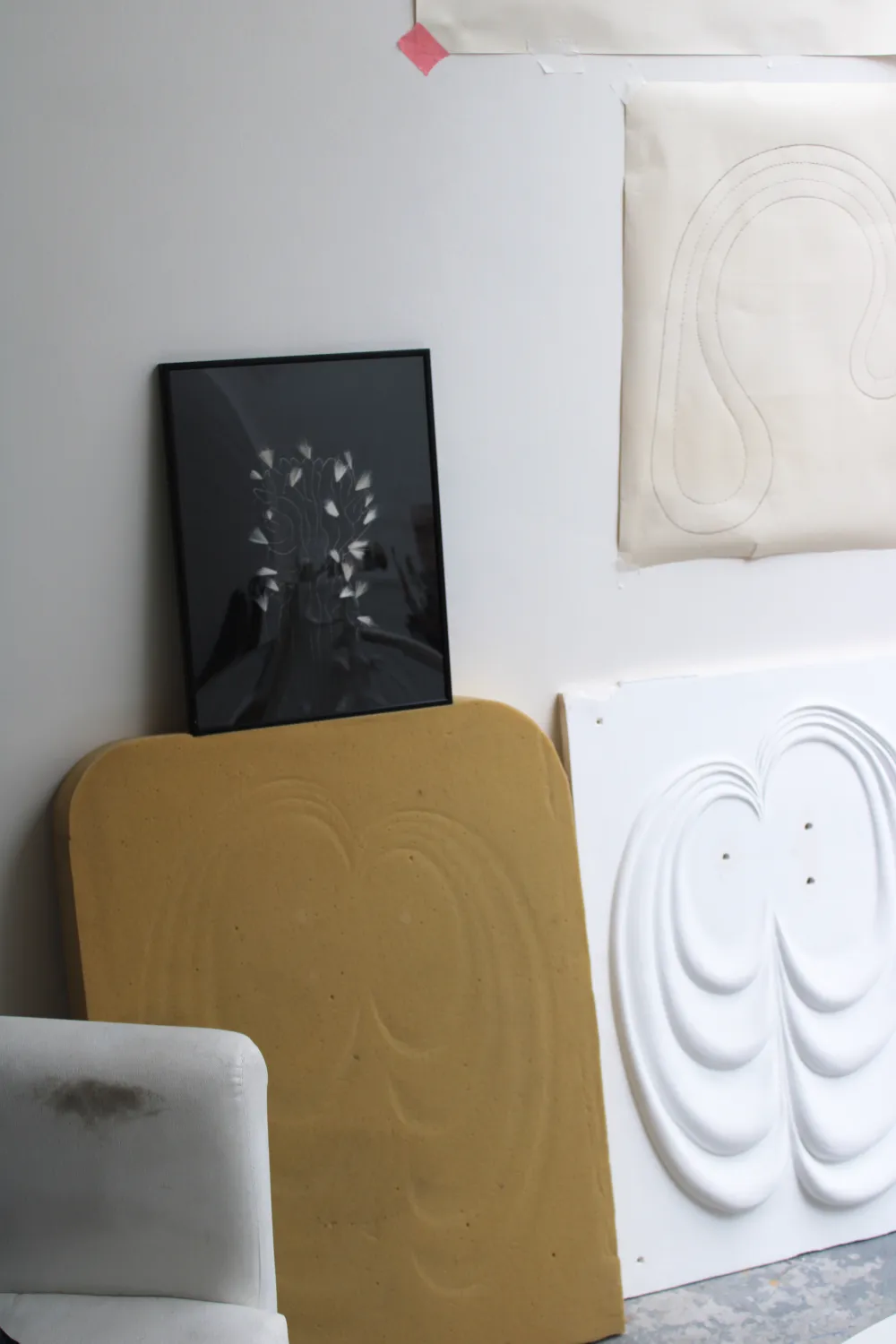
The opposite. I'm drawn to opening things up as much as possible. The master's had workshops in everything: ceramics, plaster, wood, metal, glass, bronze casting. Two years of pure experimentation. Thinking through making is a different kind of thinking than drawing or modeling on screen. I have a mental list of techniques and processes I want to investigate. But I don't identify with a single one.
What challenges did you face when you started?
On one hand, the need for a studio. A space where I could make dust and noise without worrying. On the other, and perhaps on a more personal level, I found myself faced with the challenge of silencing the outside in order to give space to my own voice.
You also had to navigate the art world in Paris.
It's almost impenetrable. There is enormous competition. But at some point I understood that it's not only French people trying to be in Paris. It's people from everywhere. So it's probably hard for everyone. I hear that even for French artists it's hard to position themselves here. The codes are still very foreign to me. I'm learning them. And I'm not sure how much I want to be part of that world.
What excites you about your project today?
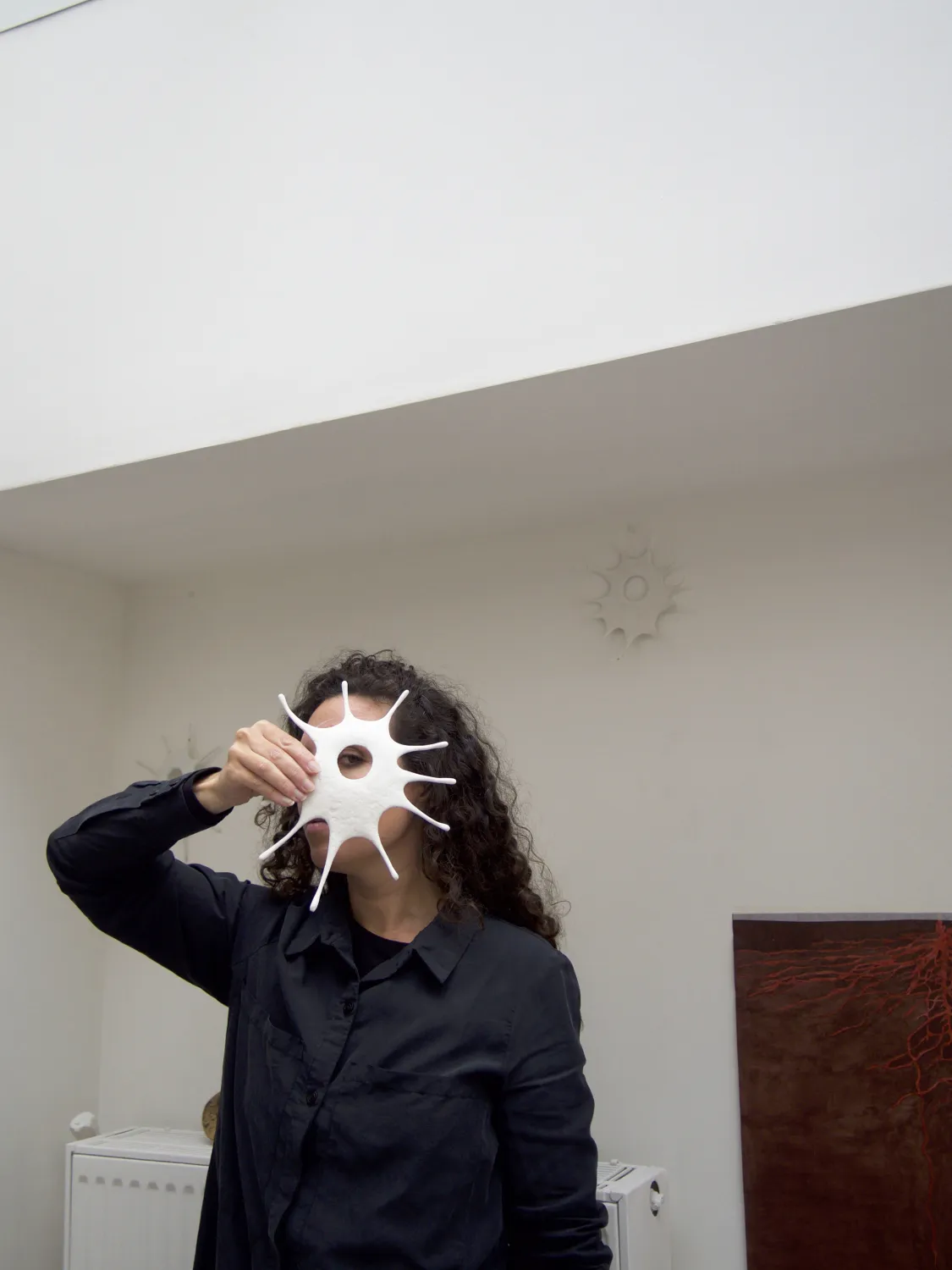
The multiple forms it can keep taking and the ways it can grow and evolve. I think each new project is a continuation of the previous one, a mutation, that circles around the same questions, which we answer in different ways.
Do you face challenges when communicating your project?
I think the variety or heterogeneity of my practice can create confusion. People generally don't know how to classify what I do. And while that affects me at times, it is a quality I am not willing to negotiate. I believe art and design converge in me in a way that they are now practically inseparable, and both practices feed each other.
Do you feel the public understands the idea and value behind your work?
I don't think it is up to me to define that. What interests me is that beyond the idea I wanted to convey, each person can appropriate and give new meaning to what my pieces are for them. I think the more ways there are to understand a single piece, the more interesting it becomes.
What does a typical day look like?
Breakfast, first of all. Sometimes, but not always, I write, and I really enjoy that morning moment. Otherwise I usually try to get the administrative tasks that require sitting at the computer out of the way first. Then I bike to the studio, where I spend the rest of the day. Some days are more active than others, depending on the project I am working on or the stage I am at. I like working on several projects at once. Stepping away from one when I am stuck and moving to something completely different helps me move forward and come back to the first one with a fresh mind.
What do you do when you feel blocked or need inspiration?
I don't have creative rituals. What I do is create empty spaces: walks, contemplation, silence. Moments where I deliberately do nothing, just make space so things can fill back in. I am inspired by everyday life, snippets of strangers' conversations, a busy street, watching people pass by, reading and listening to people I admire, my friends, my family, the ordinary.
You recently organized an exhibition at your studio, can you tell us about that?
Yes. When I finally had a space, I wanted to share it and give other people something that's very hard to find in Paris: a white wall to show work. I invited two other artists, and in the end there were about thirteen of us. The premise was that everyone would read the same text, a poem, and respond to it by making a piece. The responses were very different. The exhibition lasted a day and a half. I wanted to generate a different kind of space rather than wait for one to open.
Does your Argentine background show up in the work?
Not in the imagery. But in the way of working, yes. In Argentina there's more energy toward actually making things happen, the small daily steps that move something forward. Here the tendency is to stay longer in the conceptual, in the mental. From France I think I've incorporated a relationship to poetry. Not poetry as a genre, but as a way of telling things, of building a project with a kind of internal truth and beauty.
Now that your project is real and has evolved, do you think it still holds the essence of the original idea?
I think it is in constant evolution, but yes. I believe it is essentially what I always imagined I would do.
What advice would you give someone just starting their project?
Not to look at what is trendy or what others are doing. The answers are inside us and so obvious that we sometimes don't even consider them. Look inward and persevere in that search. When what you do comes from you, it won't be like anything that has ever existed.
Know more about Camila Jordan
Photography credits: Camila Jordan.
Repose Archive is a creative direction journal documenting processes and projects across art, design, architecture, and hospitality.